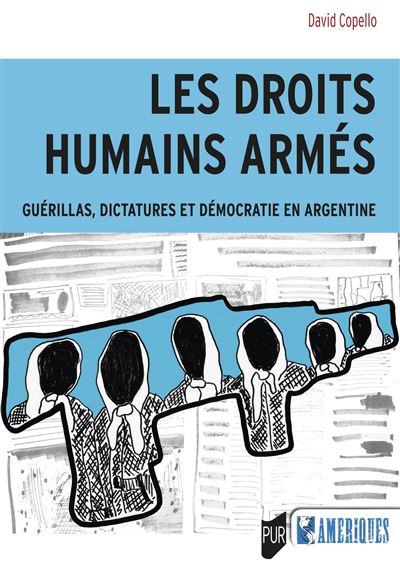
Can the defense of human rights be reconciled with guerilla warfare? David Copello offers an in-depth reinterpretation of the history of these complex struggles that have shaken Argentine society to its core.
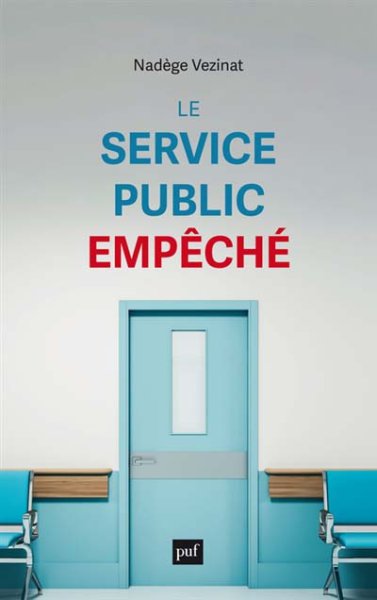
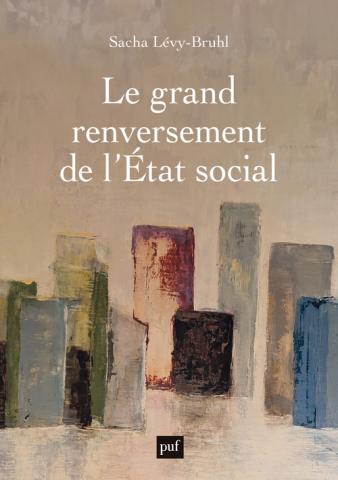
What effects have economic rationalization had on public services? Nadège Vezinat presents a nuanced picture of how institutional dynamics weaken the welfare state’s bureaucracy, agents, and the rights of beneficiaries.
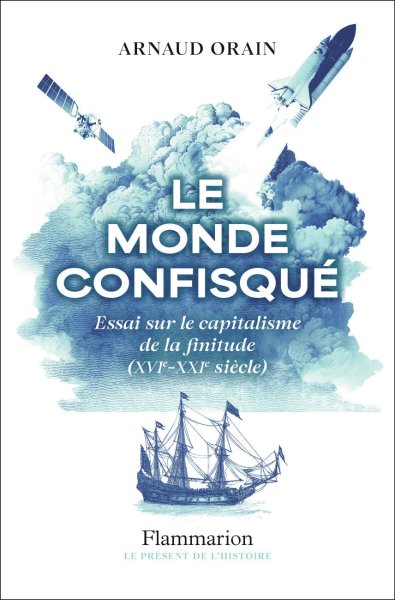
According to Arnaud Orain, capitalism, with the exception of a few historical periods when free markets prevailed, has primarily been characterized by mercantilism, or “capitalism of finitude,” which pits against one another the ambitions of nation-states that seek to escape competition by imposing their hegemony through force.
During the Middle Ages, women didn’t just listen to music. They sang, composed, copied, and transmitted it. Behind the silence of the sources, there exits, from cloisters to courts, a form of musical life that remains largely unknown. A new book brings to life these flourishing musical practices.
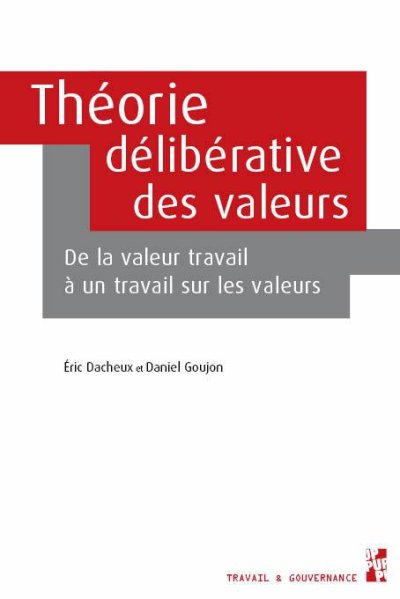
Has the idea of value lost value? By considering the concept in its plurality, Éric Dacheux and Daniel Goujoun make a case for an economy that is social, ecological, and deliberative.
Céline Marty offers an in-depth interpretation and contextualization of André Gorz’s philosophical oeuvre. Through a careful examination of his vision of a society of subjects that are truly autonomous—in work as in life—she sheds light on the coherence and radicalness of this highly original form of ecosocialism.
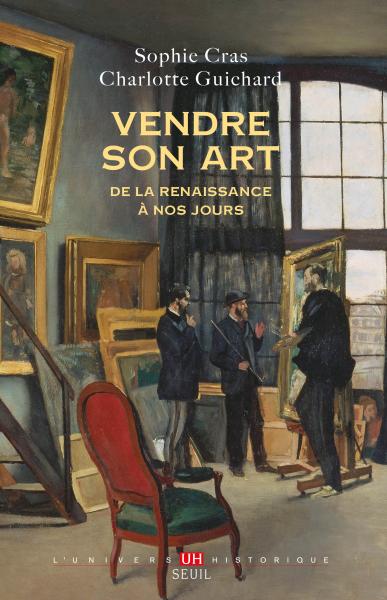
How does art acquire commercial value? In this book, two historians concentrate on the “first market” for art, which exists prior to the resale market and speculative strategies. It examines the decisive moment when an artwork leaves the studio, the artist sets their price, and the artwork reaches the public.
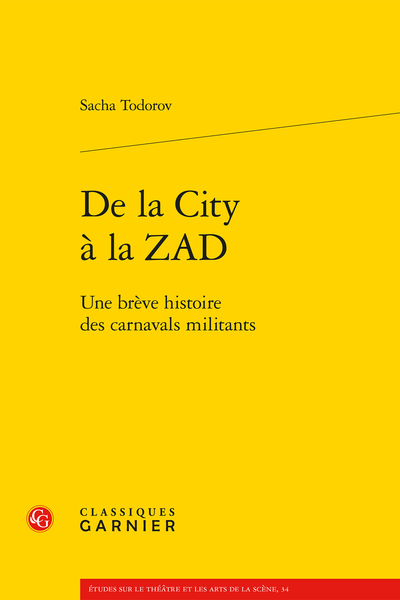
Part celebration, part demonstration, the activist carnival has emerged as a form that blends festive traditions and subversive politics. As a strategy for mobilization as well as transgression, carnival blurs the boundary between revolt and theater.
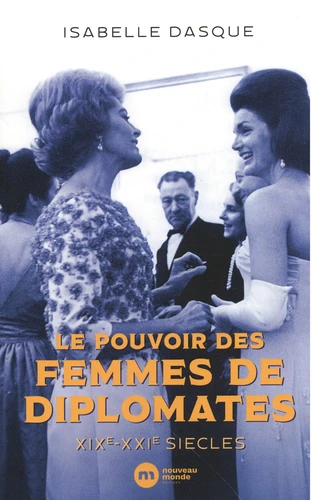
Despite being confined to diplomacy’s backstage, ambassadors’ wives were the invisible architects of France’s prestige abroad. From social receptions to soft power, Isabelle Dasque examines two centuries of feminine influence.
Jeanne Tsai and Batja Mesquita show how emotions are shaped by cultural logics that orient our relationships and judgments. Their conversation raises a broader question: what does it mean to understand others in culturally plural societies?
Active in the fight against poverty since the 1950s, the ATD Fourth World movement has successfully combined grassroots action, research and advocacy, exerting a lasting influence on social policies in France and internationally.
Amid the never-ending crisis of the welfare state and the waning of the principle of solidarity, Sacha Lévy-Bruhl proposes a new interpretation. Starting from the idea of collective responsibility, he pursues an important goal: rethinking social protection in the twenty-first century.
What are the emancipatory prospects for women excluded from salaried work? By analyzing working-class Maghrebin women’s attitudes towards work, family, and heterosexuality, Fatma Çingi Kocadost shows the limits of individual emancipation through work.
Black women—whether from the Caribbean, Africa, or of African descent—have conceptualized and embodied French citizenship. Their often hidden trajectories and struggles illustrate an alternative history of the nation, shaped by colonialism, when seen through the lenses of race, class, and gender.
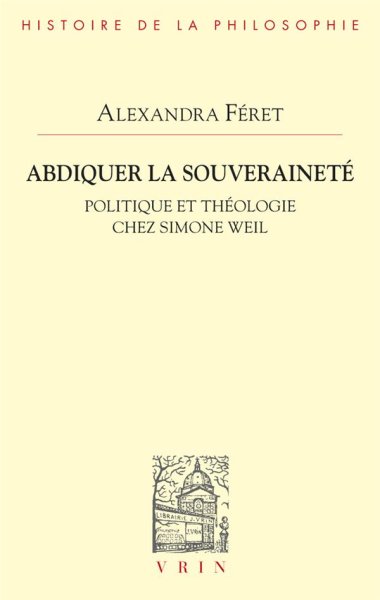
How does justice vanquish force? Simone Weil’s thought unifies politics and religion while proposing a radical conception of power, understood not as domination but as retreat, in a world in which violence gives way to obedience.
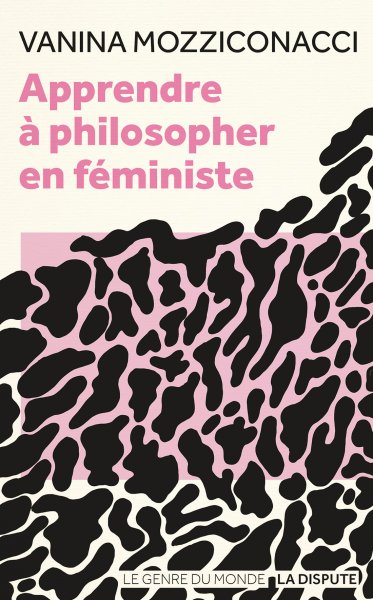
Can one philosophize as a feminist when the history of philosophy is so gendered? Yes—but this requires paying close attention to the positions that traverse and often constitute it.
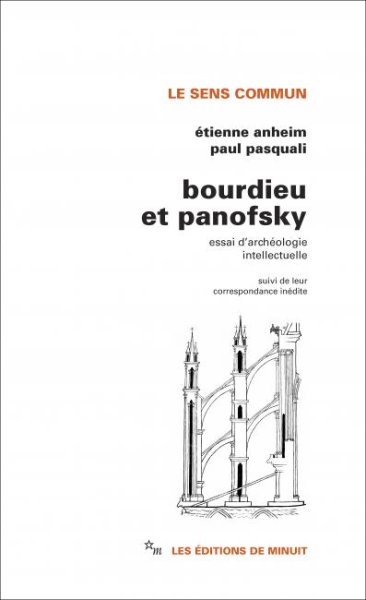
Étienne Anheim and Paul Pasquali examine a key moment in interdisciplinary dialogue: Pierre Bourdieu’s translation and editing of the art historian Erwin Panofsky.
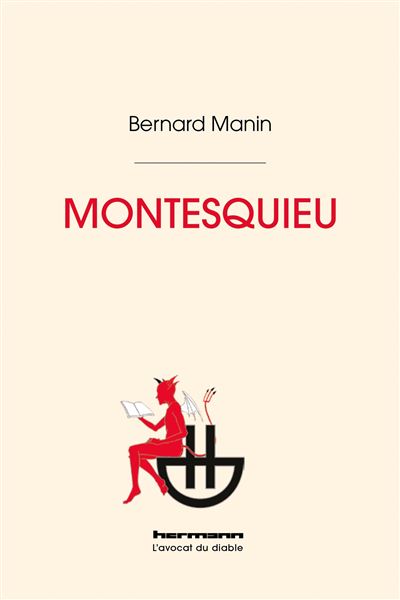
Bernard Manin sees Montesquieu as a political philosopher who was attentive to the plurality of political forms and the way that such pluralism can, in moderate regimes, prevent the abuse of power. This is why it is important, he explains, to keep reading this Enlightenment philosopher.
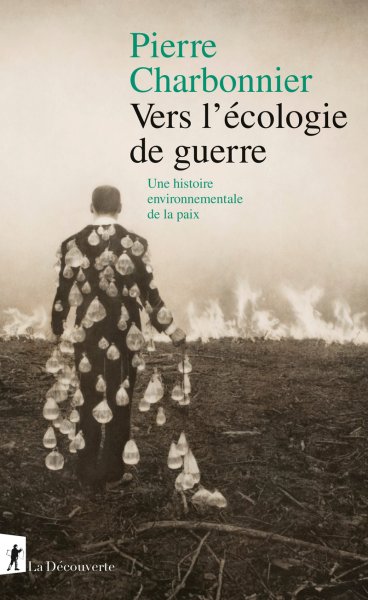
The intensive use of carbon energies has brought prosperity, particularly since 1945, along with relatively peaceful international relations. Decarbonation makes it necessary, according to Pierre Charbonnier, to invent a new form of geopolitics.
Could Argentina, instead of being the modern country we know, have developed into fourteen independent states engaged in never-ending competition? From the “disunited province” of Rio de la Plata to the affirmation of a single nation-state, a new book describes a quest for unity that lasted five decades.
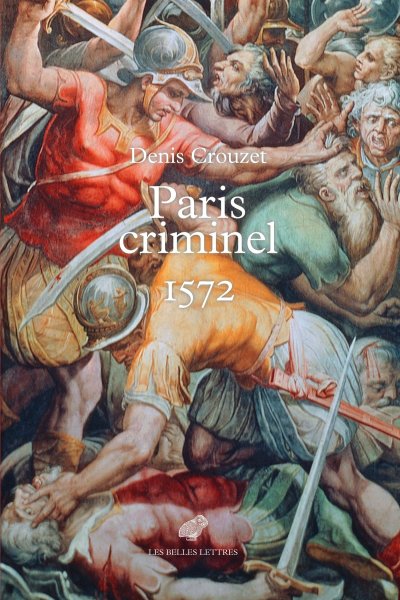
Thirty years after La Nuit de la Saint-Barthélemy (Saint Bartholomew’s Night), Denis Crouzet revisits the massacres of August 1572—a collective purge, a royal enigma, and a popular initiative, which his new book illuminates with bold erudition by reintroducing confessional violence, with all its historical depth, into the story.
It was not until the second half of the nineteenth century that Byzantine studies acquired their official scientific and academic status, after a long process involving rigorous selection of the documents that have survived to the present day.
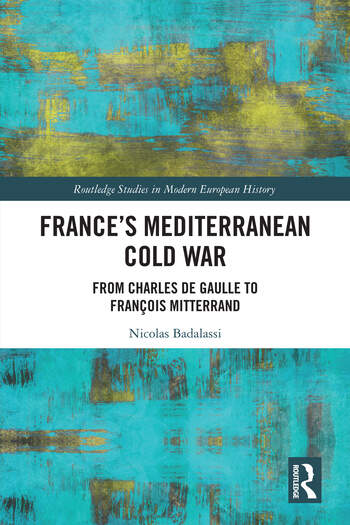
In an era marked by ideological conflict and geopolitical rivalry between the two superpowers, France managed to chart its own course, far from traditional bipolar frameworks.
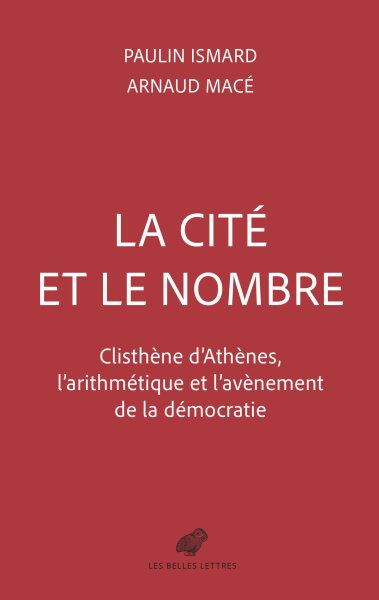
What is the nature of the distinctive rationality that underpins Cleisthenes’ reform, which many see as the birth of Greek democracy? What social mechanisms, civic experiences, and forms of vernacular knowledge made this new system of political organization possible?
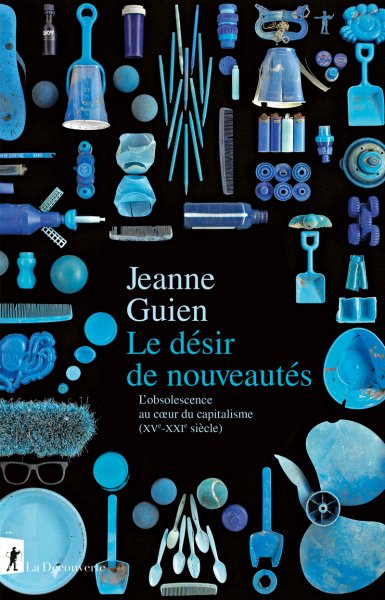
The love for newness did not begin with modern consumer society. It has long been capitalism’s primary engine and has been central to how it imagines the market. At present, its environmental impact is disastrous.
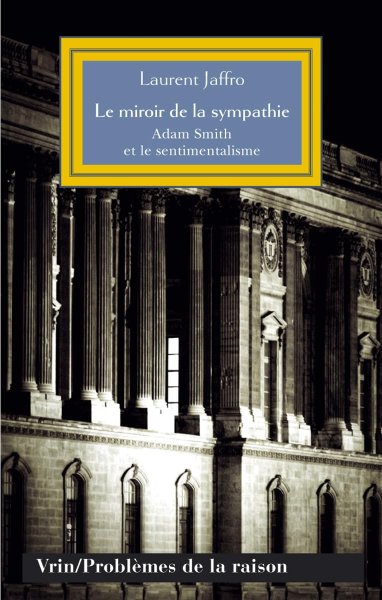
Can morality be grounded in the sense of sympathy? According to Adam Smith, sympathy with the sentiments of others is precisely what allows for self-command, a cardinal virtue that enables us to act from a sense of duty.
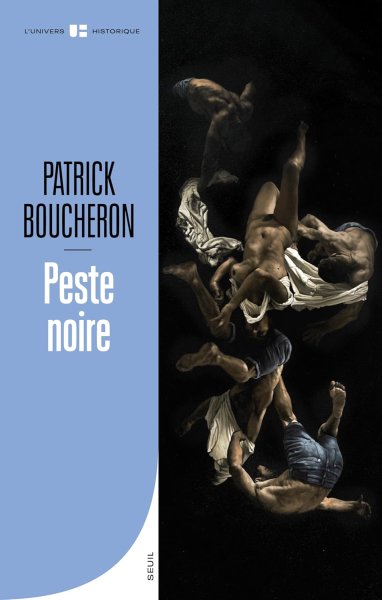
An unparalleled demographic catastrophe, the Black Death disrupted the economic, social, and cultural balance of medieval Europe in the 14th century. Long considered a major turning point, it now appears as an indicator of the structures, limitations, and resilience of medieval societies.
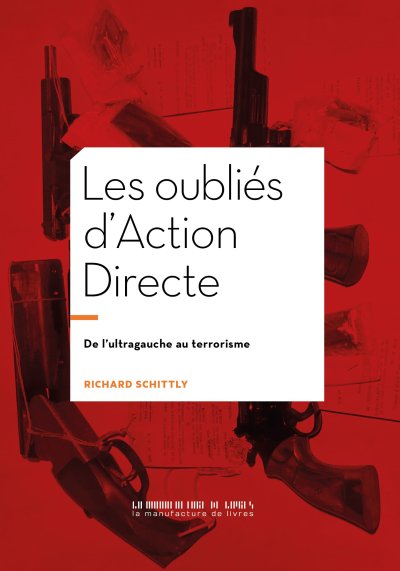
Alongside its Paris branch, the French terrorist group Action Directe also operated a Lyon branch, responsible for dozens of attacks and robberies, and marked by a crude ideology and domestic abuse within the group. We look back at far-left violence in the post-1968 era.
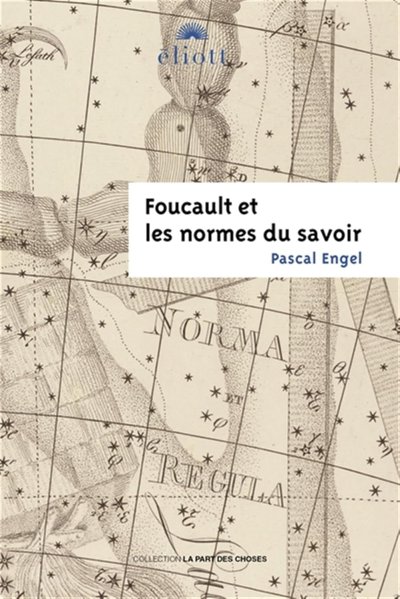
Is Foucault’s genealogy concerned with the will to truth or with truth itself? According to Pascal Engel, in maintaining the ambiguity between the two, Foucault ignored the norms of knowledge as an essential source of emancipation.
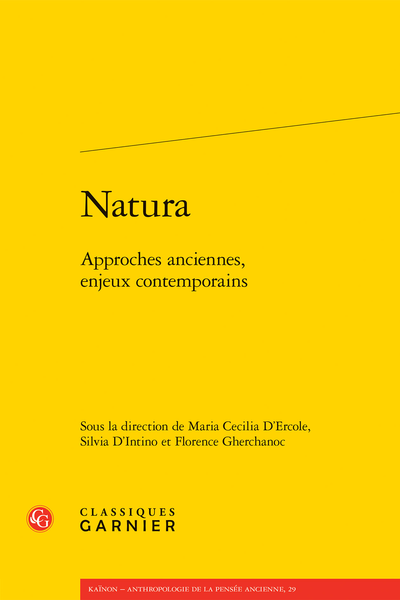
Our understanding of nature differs from that of the Greeks and Romans. From the “month of the ox” to “the forest goddess,” the ancients never thought to separate humans from the flora and fauna around them.
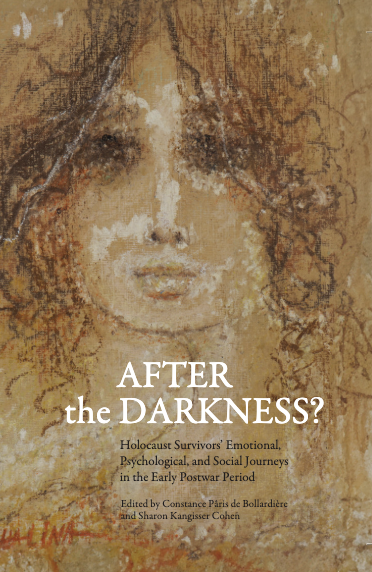
A collective work traces the emotional and psychological journeys of Holocaust survivors in the immediate postwar period. It examines both the practices of caregivers and the strategies survivors employed to reintegrate into society.
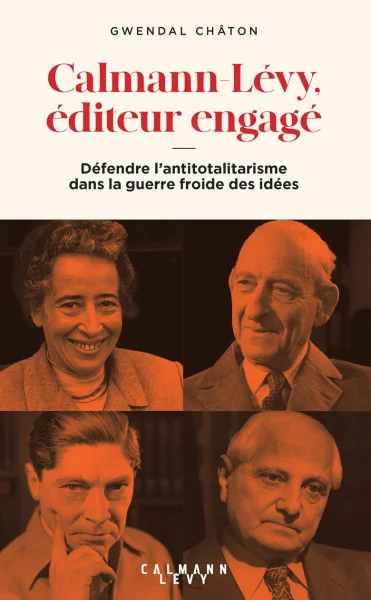
Backed by Raymond Aron and Manès Sperber, the French publishing house Calmann-Lévy championed anti-communism and the fight against totalitarianism from the end of World War II.
Against the trend towards experts having exclusive control over technological development — justified on the grounds of the public’s alleged incompetence — Adeline Barbin argues that citizens should be given greater power so as to ensure that techniques are consistent with democratic values.
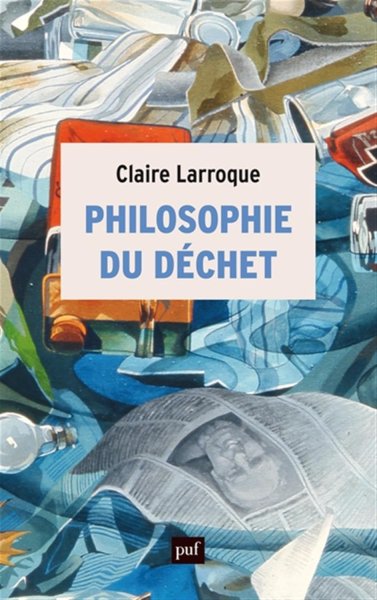
We would rather not see or even think about our waste, but it has a lot to tell us about our habits, our lives, and more importantly, about what we are doing to our world today.
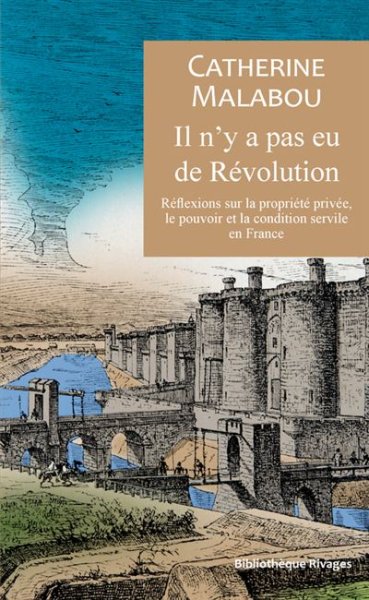
Marx misunderstood Proudhon: he criticized him for neglecting the relations of production, when in fact the French anarchist was interested in the political subjugation that, in his view, private property inevitably causes.
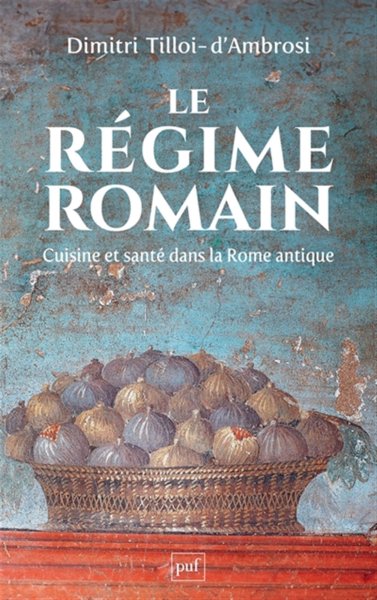
Ancient Roman diets were based on health concerns as well as moral and political considerations. Frugality and pleasure were not mutually exclusive. Eating was about more than filling one’s stomach.
At a time when public museums are struggling due to budget cuts and the need for renovations, the opening of many private foundations marks a shift in the Parisian museum landscape. Against this backdrop, G. Adam offers a comprehensive overview of the issues surrounding the rise of private museums.
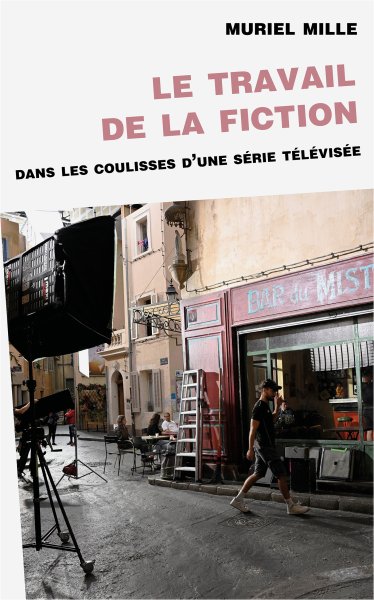
How are television series written? Muriel Mille’s study sheds light on a collective process based on a division of labor and time constraints. It represents a total break with the auteur ideal of New Wave cinema.
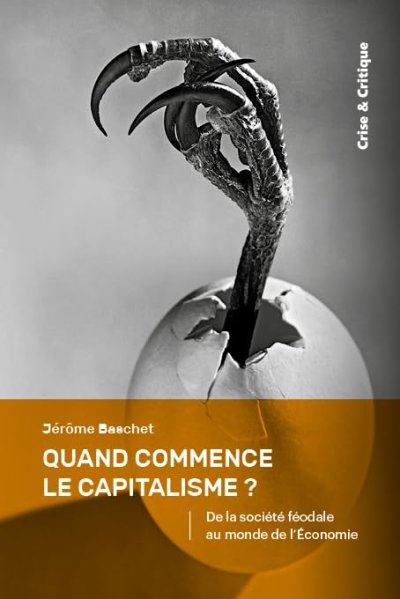
Is it possible to identify the origin of the shift from feudalism to capitalism? Such a transition cannot be reduced to the expansion of trade or a linear evolution. It implies a transformation of social relations, work, and production.
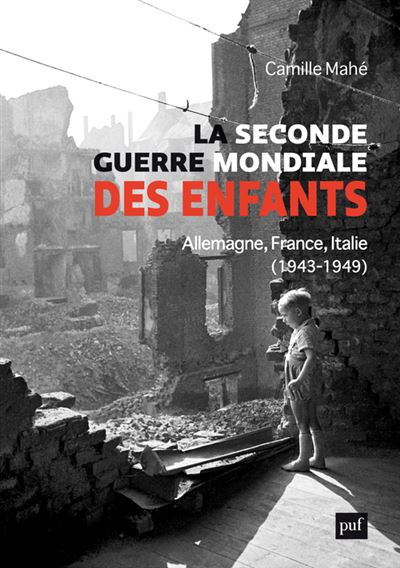
By adopting a child’s perspective, Camille Mahé shows that younger children perceived the Second World War differently than adults.