Books & Ideas is the English-language mirror website of La Vie des Idées, a free online journal which has gained a large readership and established itself in France as a major place for intellectual debate since 2007.
Popular sovereignty and the rule of law are inseparable: the idea that there could be “illiberal democracies” is groundless and plays into the hands of populists.
In their recent research about Israeli politics, Noam Gidron and his coauthors explore the country’s affective polarization, the support for the judicial overhaul, Likud’s populism, and the relations between them.
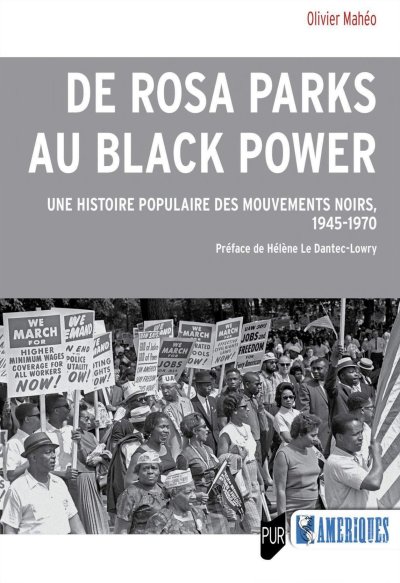
The American civil rights movement was more complex than is generally realized. Olivier Mahéo reconstructs its story by considering the marginalized voices and internal conflicts that are often overlooked.
Is France heading to the right, as everyone seems to think? According to Vincent Tiberj, it all depends on how this rightward turn is defined. For now, the French prefer the left’s values.
About: Emmanuelle Durand, L’envers des fripes. Les vêtements dans les plis de la mondialisation, Premier Parallèle
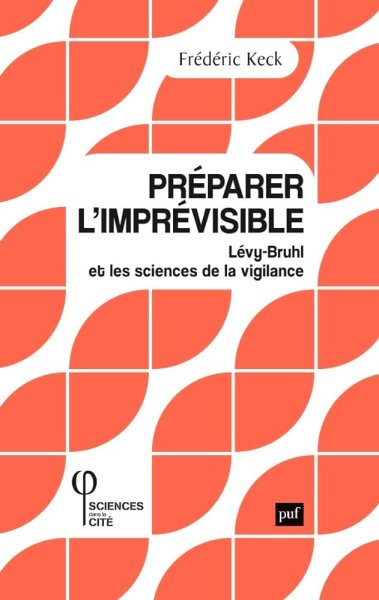
About: Frédéric Keck, Préparer l’imprévisible. Lévy-Bruhl et les sciences de la vigilance, Puf
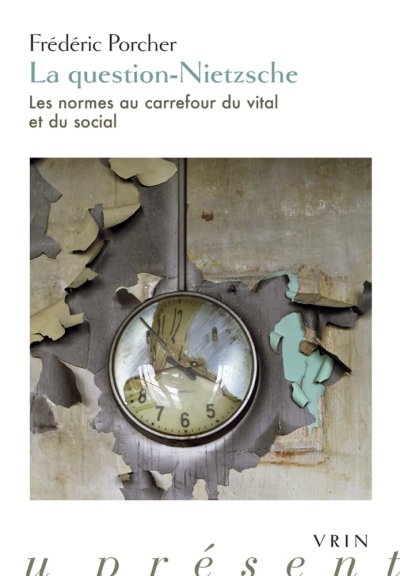
About: Frédéric Porcher, La « question-Nietzsche ». Les normes au carrefour du vital et du social, Vrin
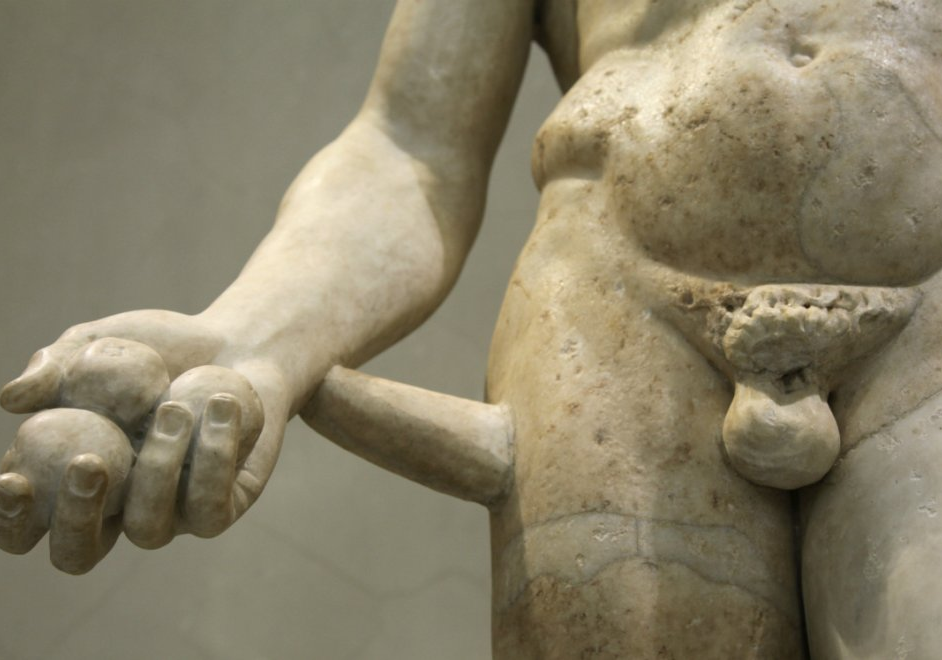
A rumour is circulating in some African countries: the French state is organising penis thefts to offset declining fertility. The rumour, spread by Russian propaganda, has become fake news.
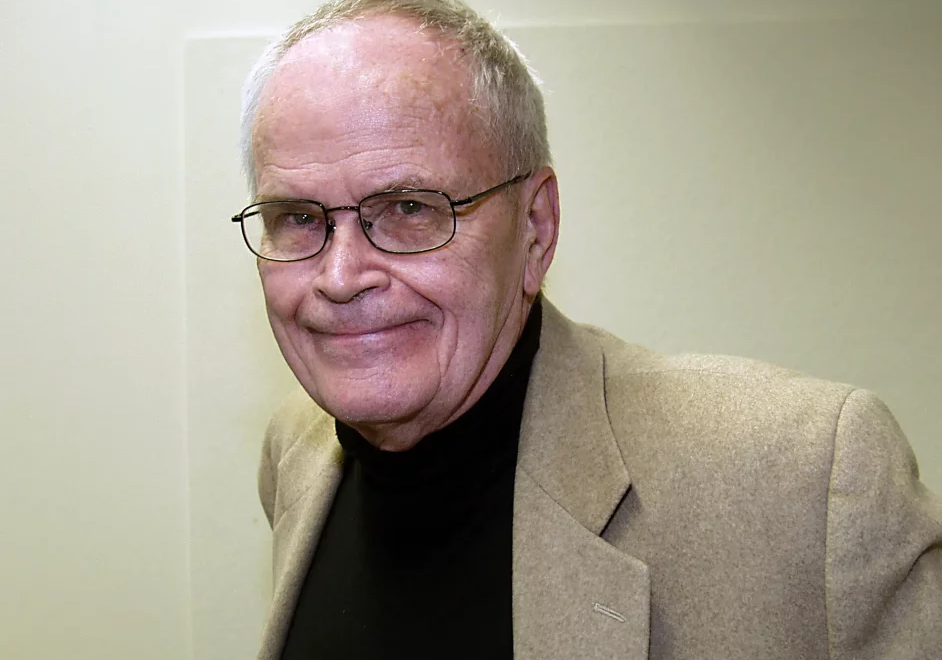
The American sociologist Harrison White made a vital contribution to the development of social network analysis. Besides his work in this field, his theoretical synthesis and his understanding of social formations have influenced a variety of fields such as the sociology of art and economic sociology.
Ukraine’s water networks have been mobilized since the start of the war in 2014. Infrastructure workers are some of the last to leave settlements attacked by the Russian army. Water systems and people are resisting but are reaching the limits of their capacity to adapt to violence and disruptions.
Books & Ideas is slowing down for the summer and will be offering weekly selections of reviews and essays published over the last year. This week’s selection questions the social construction of racial identities, and the history of domination.
The Paris Agreement on Climate Change is three years old this week but is already under attack. In support of further necessary action to address the changing climate, Public Books & La Vie des Idées offer a collaborative series of articles examining the intersection of climate change and capitalism.
Books & Ideas is slowing down for the summer and will be offering weekly selections of reviews and essays published over the last year. This week’s selection questions our global consumerism, looks back in its history and analyses its legal framework.
Rorty made conversation a philosophical genre in its own right, which led him to reject any distinctions he considered futile: between analytic and continental philosophy, between the Enlightenment and postmodernity, between philosophy and literature.
A great historian of the English working class, a major intellectual figure in debates surrounding Marxism in the years 1960-1970, and an anti-nuclear activist who initiated an environmentalist critique of capitalism—such were the many faces of Edward Palmer Thompson, whose work deeply permeates the different social sciences to this day.
Books & Ideas is going on holiday for the summer, and will resume its publication schedule in September. In the meantime, we present you with a weekly roundup of our most recent essays and reviews. Our second summer selection features portraits of prominent intellectual figures: Albert Camus, René Dumont, Ronald Dworkin, Joan W. Scott and Max Weber.
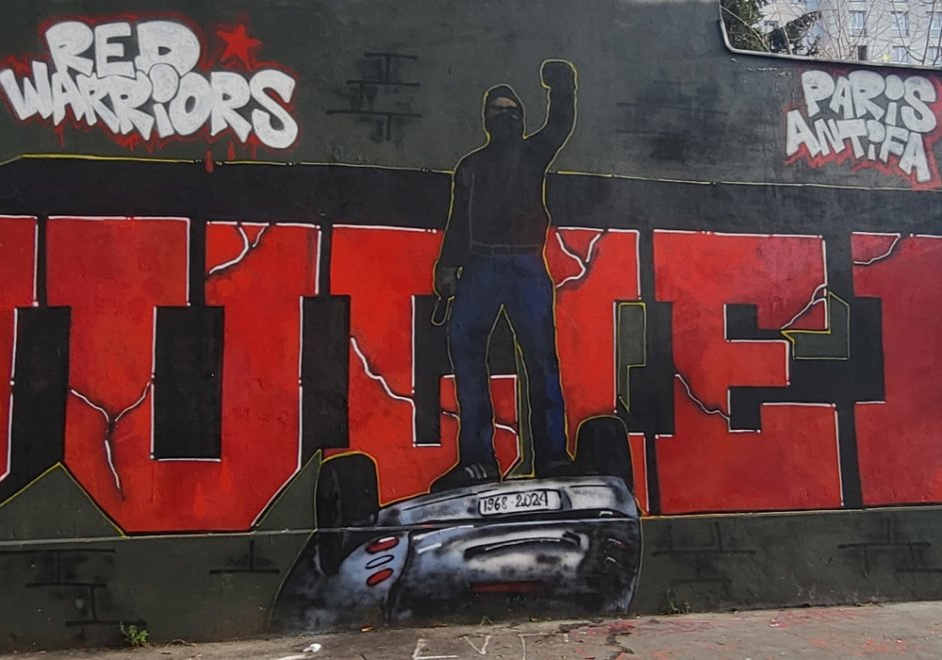
À distance des mythes et des fantasmes, Sébastien Bourdon retrace l’histoire des « antifas » et décrit les modalités d’un engagement qui ne se limite pas à la lutte contre l’extrême droite.
Ghassan Hage montre comment la physique du social élaborée par Bourdieu permet de penser les formes de domination contemporaines à travers ce qu’il appelle une « écologie existentielle ».
Deux sociologues allemands ont cherché à dresser un portrait psychique des électeurs d’extrême droite. Les promesses non tenues par la société libérale expliquent le désir de destruction au cœur de l’identité fasciste.
À propos de : Daniel Cohen, Une brève histoire de l’économie, Albin Michel
À propos de : Arlette Farge, Ils ont écrit leurs visages. Signalements de galériens et de délinquant⸱e⸱s au XVIIIe siècle, Mētis Press
À propos de : Fabrice Teroni, L’ombre du doute. Une analyse des Méditations métaphysiques de Descartes, Elliot