Part celebration, part demonstration, the activist carnival has emerged as a form that blends festive traditions and subversive politics. As a strategy for mobilization as well as transgression, carnival blurs the boundary between revolt and theater.
Despite being confined to diplomacy’s backstage, ambassadors’ wives were the invisible architects of France’s prestige abroad. From social receptions to soft power, Isabelle Dasque examines two centuries of feminine influence.
Thirty years after La Nuit de la Saint-Barthélemy (Saint Bartholomew’s Night), Denis Crouzet revisits the massacres of August 1572—a collective purge, a royal enigma, and a popular initiative, which his new book illuminates with bold erudition by reintroducing confessional violence, with all its historical depth, into the story.
It was not until the second half of the nineteenth century that Byzantine studies acquired their official scientific and academic status, after a long process involving rigorous selection of the documents that have survived to the present day.
In an era marked by ideological conflict and geopolitical rivalry between the two superpowers, France managed to chart its own course, far from traditional bipolar frameworks.
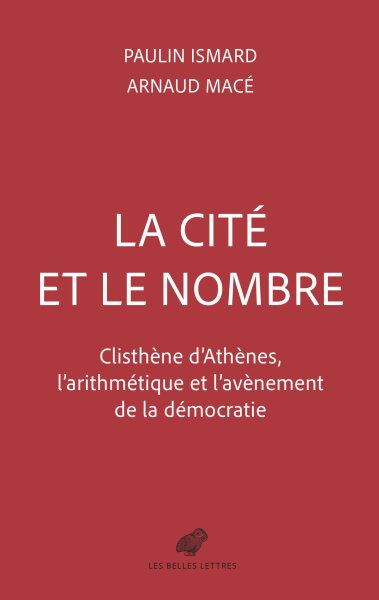
What is the nature of the distinctive rationality that underpins Cleisthenes’ reform, which many see as the birth of Greek democracy? What social mechanisms, civic experiences, and forms of vernacular knowledge made this new system of political organization possible?
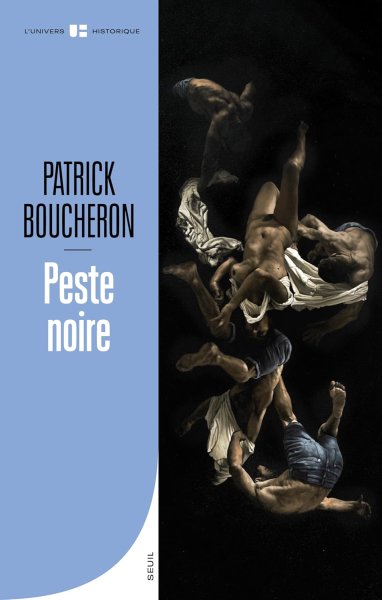
An unparalleled demographic catastrophe, the Black Death disrupted the economic, social, and cultural balance of medieval Europe in the 14th century. Long considered a major turning point, it now appears as an indicator of the structures, limitations, and resilience of medieval societies.
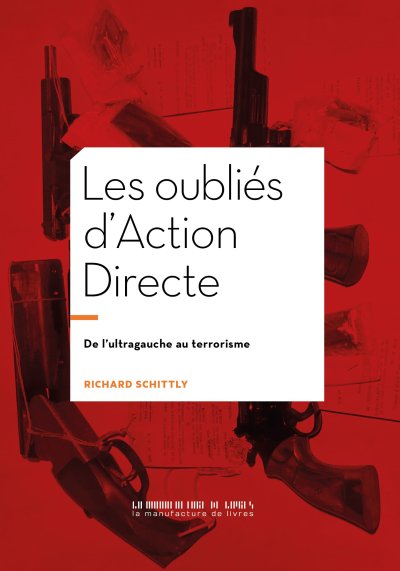
Alongside its Paris branch, the French terrorist group Action Directe also operated a Lyon branch, responsible for dozens of attacks and robberies, and marked by a crude ideology and domestic abuse within the group. We look back at far-left violence in the post-1968 era.
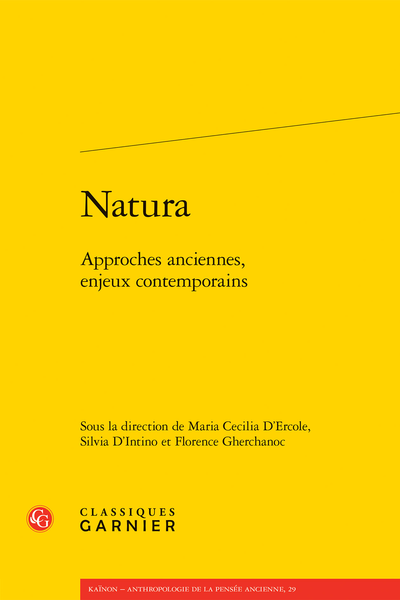
Our understanding of nature differs from that of the Greeks and Romans. From the “month of the ox” to “the forest goddess,” the ancients never thought to separate humans from the flora and fauna around them.
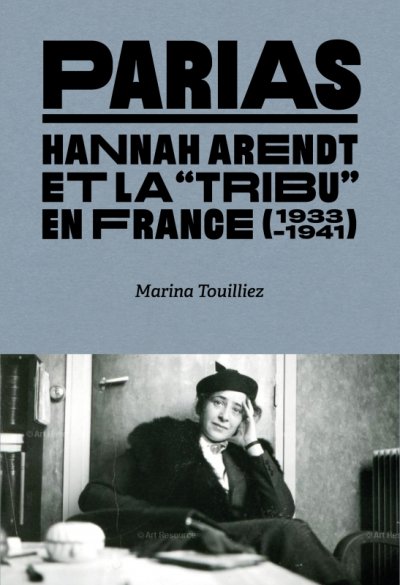
As 2025 marks the fiftieth anniversary of Hannah Arendt’s death, a new book offers a fresh perspective on a little-known yet pivotal period in the philosopher’s life and work.
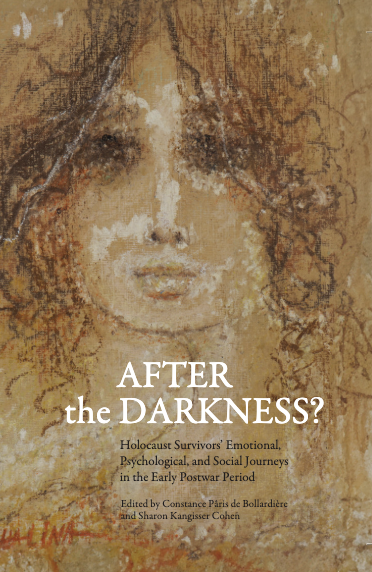
A collective work traces the emotional and psychological journeys of Holocaust survivors in the immediate postwar period. It examines both the practices of caregivers and the strategies survivors employed to reintegrate into society.
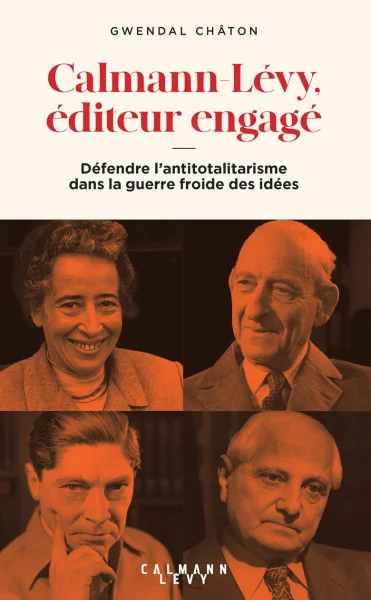
Backed by Raymond Aron and Manès Sperber, the French publishing house Calmann-Lévy championed anti-communism and the fight against totalitarianism from the end of World War II.
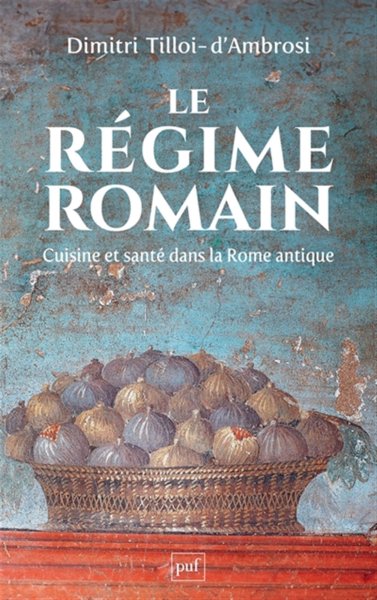
Ancient Roman diets were based on health concerns as well as moral and political considerations. Frugality and pleasure were not mutually exclusive. Eating was about more than filling one’s stomach.
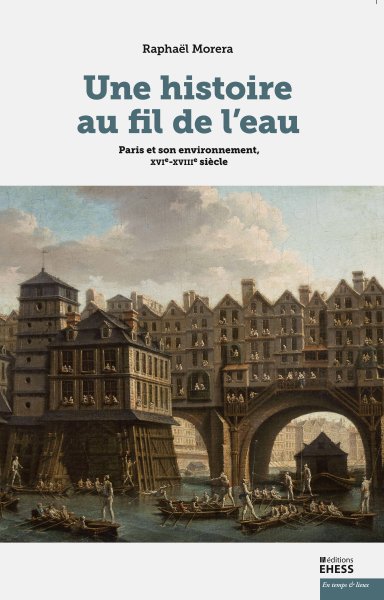
Between the sixteenth and eighteenth centuries, as the monarchy established its authority across French territory, the rivers of the Paris Basin continued to be managed by various actors through negotiations aimed at coordination.
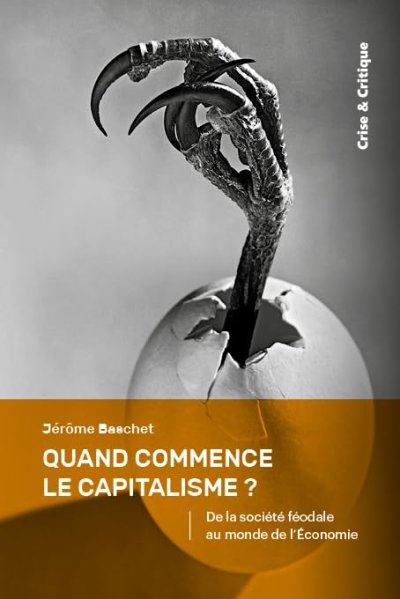
Is it possible to identify the origin of the shift from feudalism to capitalism? Such a transition cannot be reduced to the expansion of trade or a linear evolution. It implies a transformation of social relations, work, and production.
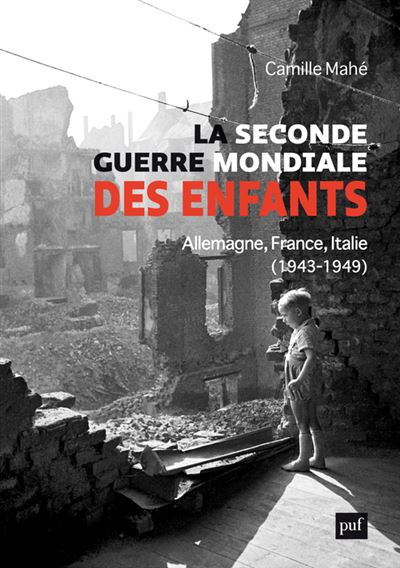
By adopting a child’s perspective, Camille Mahé shows that younger children perceived the Second World War differently than adults.
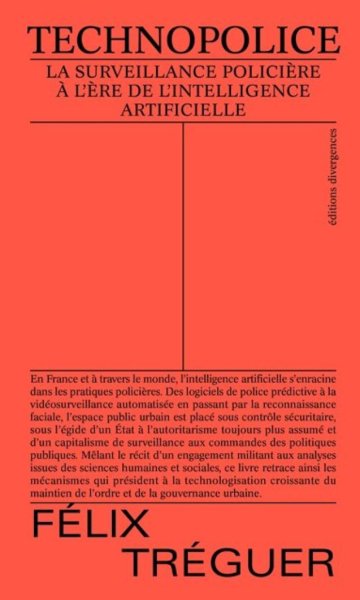
The rise of surveillance technologies is redefining the approach to security amid economic pressures. Wherever it is implemented, this surveillance, boosted by new technologies, raises the question of abuses that threaten civil liberties.
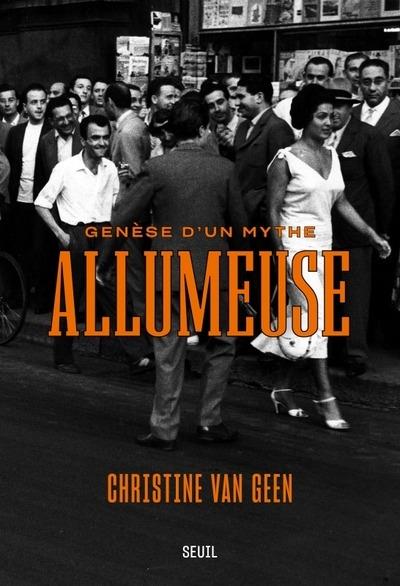
From Salomé to Lolita, representations of “temptresses” haunt male fantasies. They entail a woman who has said “yes” before she has even been asked anything. And women who “fire up” men’s desire must pay the price.
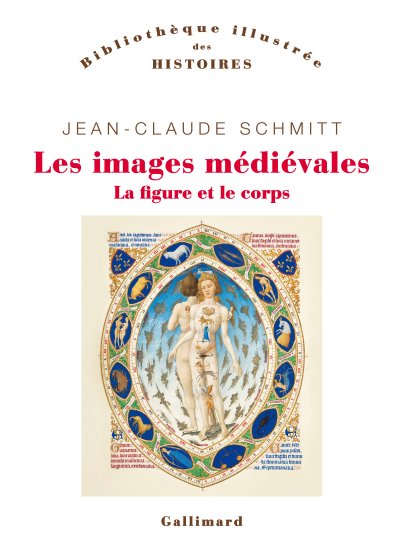
In this collection of essays, Jean-Claude Schmitt continues his examination of medieval images. Considering the topic from a semantic, historical, and artistic perspective, he explores how the medieval West thought about images and, at times, through images.
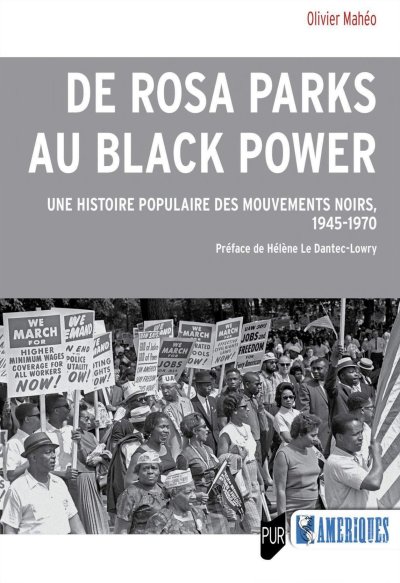
The American civil rights movement was more complex than is generally realized. Olivier Mahéo reconstructs its story by considering the marginalized voices and internal conflicts that are often overlooked.
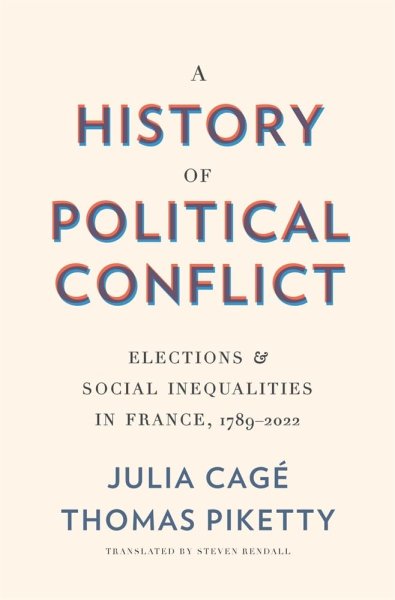
Julia Cagé and Thomas Piketty’s economic history of political conflict in France is a defense of bipartition: The Left-Right divide, which is the foundation of our democracy, has enabled social progress. We must therefore work to restore it.
In his academic reading of Julia Cagé and Thomas Piketty’s book, Michel Offerlé provides a critical analysis of the selected indicators, followed by a comparison with works of electoral sociology and electoral history.
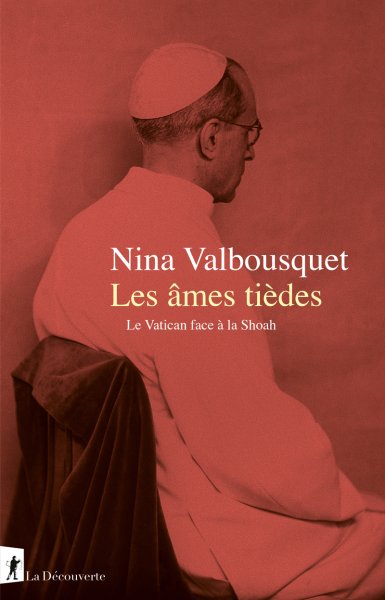
Long the subject of myth, Pius XII’s attitude towards the Holocaust and Jewish persecution can now be evaluated with the help of the archives. Nina Valbousquet makes a convincing case: the issue was not impartiality, but tepidness.
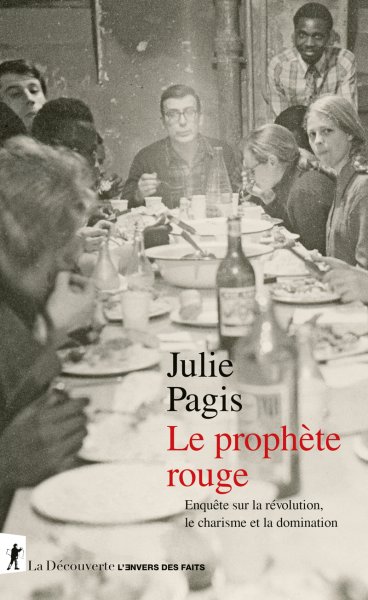
In post-May Paris, a mysterious Maoist activist, Fernando, brings about a dozen of people to form a revolutionary group. Studying this charismatic-led organization allows Julie Pagis to deepen our understanding of Weberian domination through sociological enlightenments.
Condensing the history of migration into the space of five buildings in the industrial suburb of Saint-Denis, Fabrice Langrognet gives voice to unexpected archives. These tell us much about the coexistence of multiple and diverse foreigners united by precarity and uncertainty.
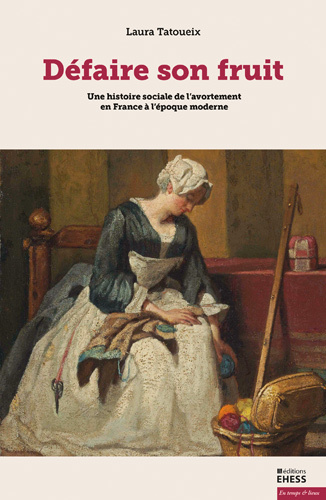
Under the old regime, abortion did not exist as a distinct legal category. Yet it was practiced and criminalized when associated with sexual transgressions. How does one write the history of an unimagined concept and a hidden practice?
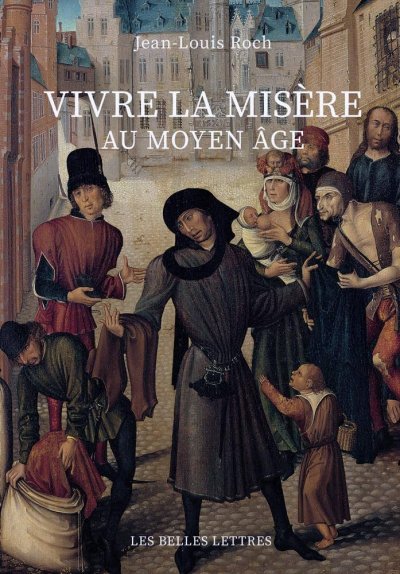
Drawing on textual sources and the history of language, Jean-Louis Roch highlights the ambivalence of charity in the Middle Ages and traces the desacralization of the figure of the poor at the dawn of modernity.
At the beginning of World War II, Americans were convinced that German geopolitical thinking was behind the stunning military successes of the Nazis. They sought to turn this thinking against their enemies, before using it as a weapon against the USSR during the Cold War.
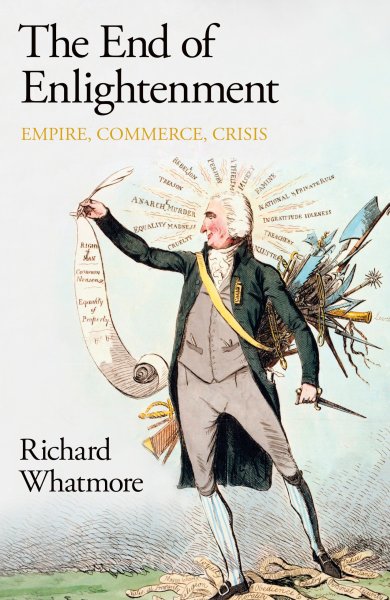
Was the Enlightenment already in crisis at the end of the 18th century? This unsettling hypothesis is examined through the lens of several thinkers who diagnosed the collapse of the ideals of peace, liberty, and progress amid empire, revolution and economic ruin.
The mass slaughters of dogs carried out in Mexico and Europe in the 19th century seem to have been a rehearsal for the human holocausts of the 20th century.
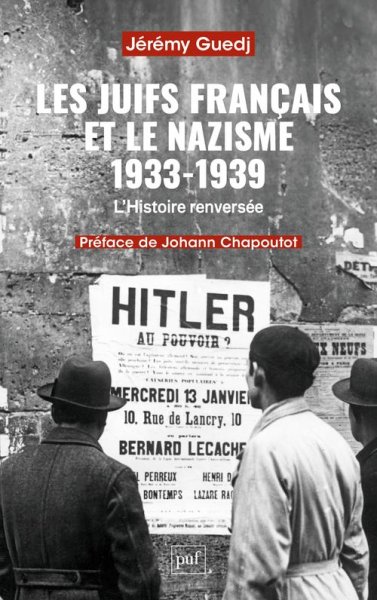
How did French Jews view Nazism? Beginning in 1933, they organized and prepared for war with a lucid yet often resigned outlook on Hitler’s Germany.
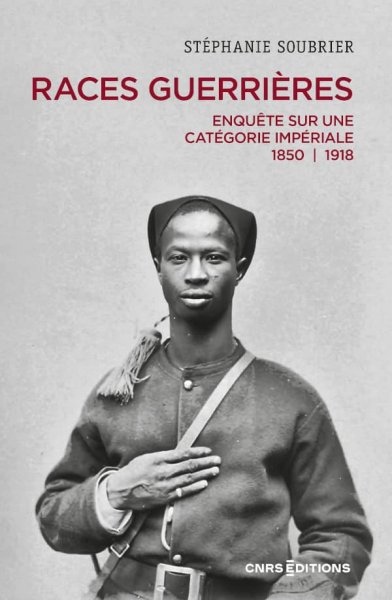
The colonial period was eager to classify races according to their biological and cultural dispositions for war. The prejudice would persist through the wars of decolonization.
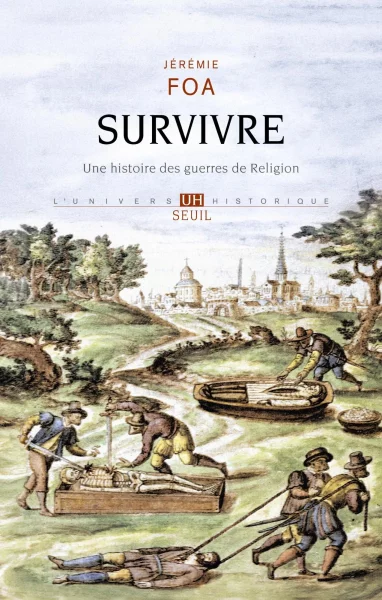
From 1562 to 1598, as the Wars of Religion deprived France of its reference points, strategies for mastering, disguising, and eliminating religious signs became necessary for survival. External markers of identity provide crucial insight into what civil wars do to a society.
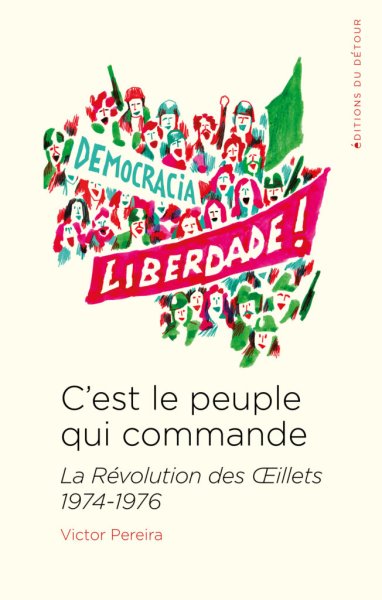
On April 25, 1974, a coup d’état led by young officers overthrew a nearly fifty-year old dictatorship in Portugal, inaugurating a revolutionary era. The historian Victor Pereira describes the origins and repercussions of this event—as well as its twists and turns, achievements, and doubts.
The Frankish kingdom that emerged between the sixth and eighth centuries promoted political and religious diversity, before the Carolingians brought this pragmatism to an end. Did an empire exist in Europe between Rome and Charlemagne?
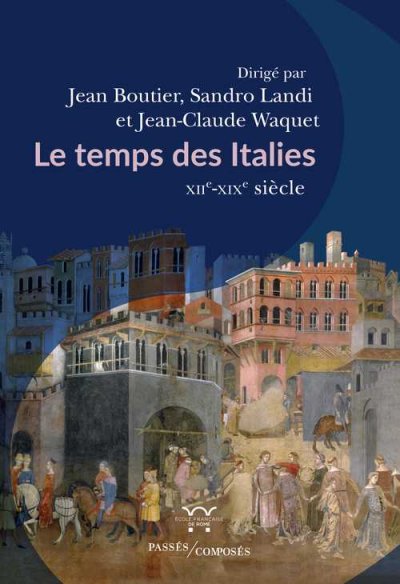
Does Italy have a history before unification? Located at the heart of the Mediterranean, the peninsula gives the impression of being a cultural koiné but is in fact characterized by political, economic, and social diversity.
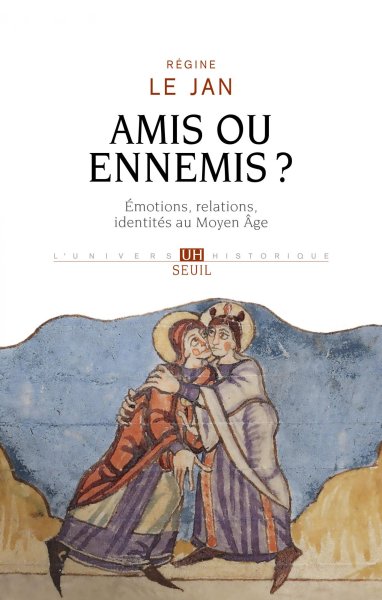
Basing her anthropological history on a rich body of source material, Régine Le Jan explores interpersonal relationships in the Early Middle Ages, arguing that they constitute one of the socio-political specificities of the Latin West.
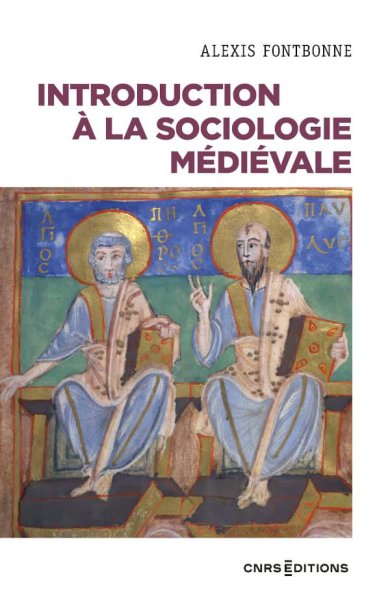
Alexis Fontbonne sets out to study the Middle Ages as a sociologist, laying the foundations for a stimulating critical approach that invites us to reconsider not only historical practice, but also the tools of sociology.
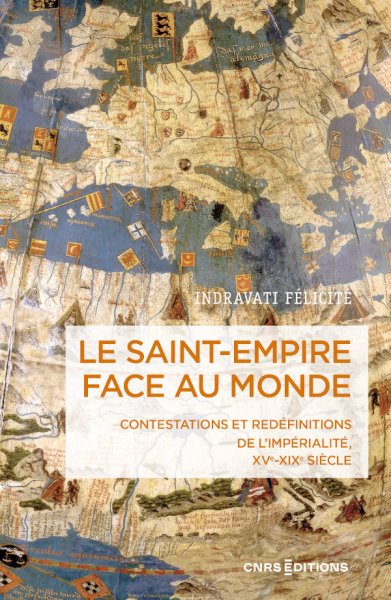
What role did the Holy Roman Empire play in the first colonial conquests of the early modern period? What was the role of its princes, institutions, diplomacy, sailors, and merchants?
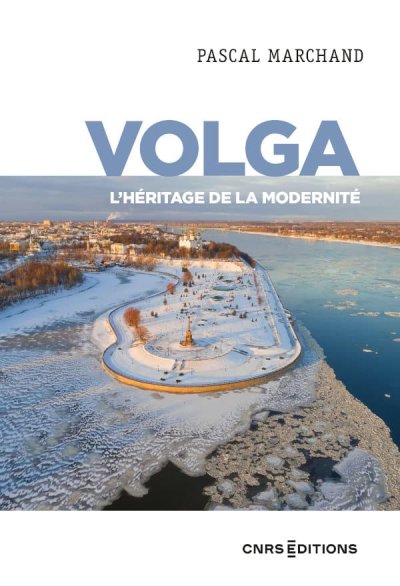
The longest river in Europe bears the imprint of Soviet history. From dams to fishing by way of industrialization, it lies at the heart of the continental upheaval that is unfolding before us.