Books & Ideas is the English-language mirror website of La Vie des Idées, a free online journal which has gained a large readership and established itself in France as a major place for intellectual debate since 2007.
The rise of surveillance technologies is redefining the approach to security amid economic pressures. Wherever it is implemented, this surveillance, boosted by new technologies, raises the question of abuses that threaten civil liberties.
The female silhouette – understood as the body’s visible form and socially perceived appearance – has long been shaped by social norms. In the age of social media, these norms are intensifying, prompting, in response, the rise of so-called “body-positive” movements.
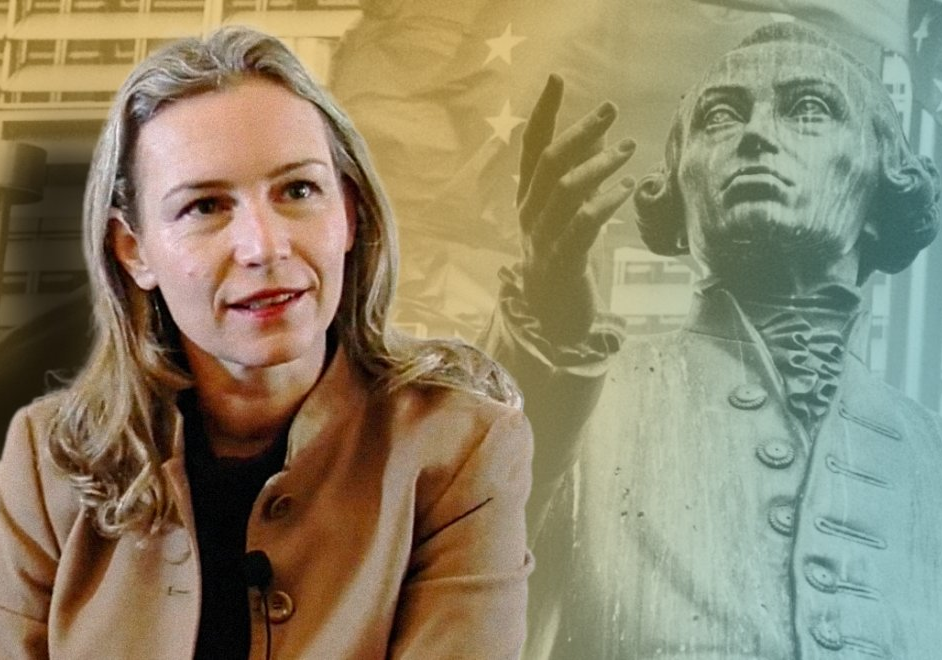
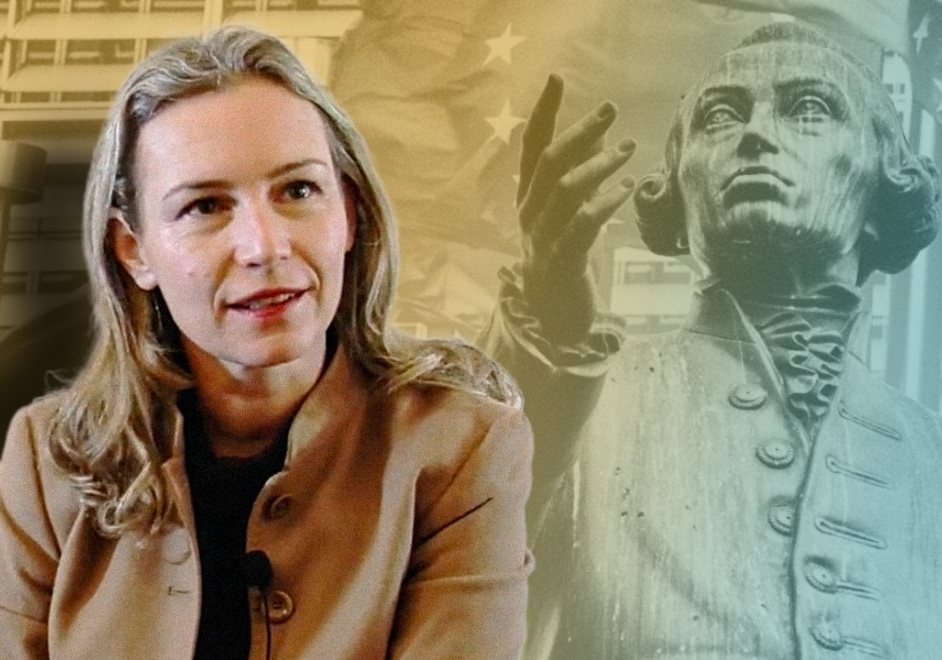
How can we move beyond the double deadlock of state socialism and market capitalism? For Lea Ypi, returning to Kant and the Enlightenment offers a perspective to provide a new ground to freedom as social responsibility, and to open up towards a cosmopolitan horizon against the authoritarianism of profit.
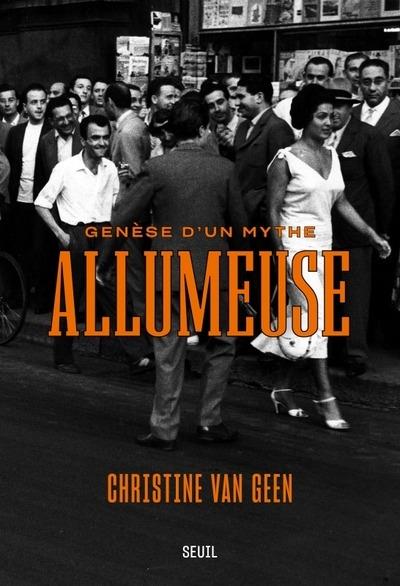
From Salomé to Lolita, representations of “temptresses” haunt male fantasies. They entail a woman who has said “yes” before she has even been asked anything. And women who “fire up” men’s desire must pay the price.
How do children construct their racial identity? Based on a groundbreaking study of children from so-called “mixed” couples, Solène Brun explores the processes of racialization within family structures.
About: Sandra Hoibian, La mosaïque française. Comment (re)faire société aujourd’hui, Flammarion
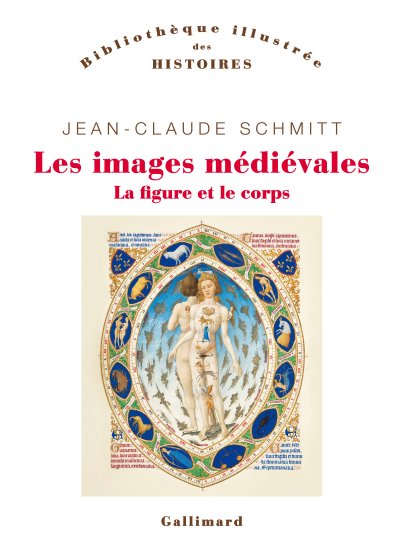
About: Jean-Claude Schmitt, Les Images médiévales. La figure et le corps, Gallimard
About: Bertrand Cochard, Vide à la demande. Critique des séries, L’Échappée
A rumour is circulating in some African countries: the French state is organising penis thefts to offset declining fertility. The rumour, spread by Russian propaganda, has become fake news.
The American sociologist Harrison White made a vital contribution to the development of social network analysis. Besides his work in this field, his theoretical synthesis and his understanding of social formations have influenced a variety of fields such as the sociology of art and economic sociology.
Ukraine’s water networks have been mobilized since the start of the war in 2014. Infrastructure workers are some of the last to leave settlements attacked by the Russian army. Water systems and people are resisting but are reaching the limits of their capacity to adapt to violence and disruptions.
Over the past few months, Books and Ideas has been running a series of interviews with leading contemporary scholars, who took the time to discuss their particular topics of research with us. For the Christmas season, we have put together a selection of seven discussions with intellectuals across the humanities and sciences: sociology, history, comparative literature, neuro-biology, anthropology and political science.
In order to better grasp protests and social movements in China, whose number has impressively swollen in recent years, Books&Ideas presents a dossier on the evolution of social mobilization and on the representation of social instability in this country.
Is it really the case, as is often alleged, that money decides everything about elections? As the US presidential election is looming, La Vie des idées/Books & Ideas and Public Books team up to examine the influence of money in today’s electoral democracies.
Rorty made conversation a philosophical genre in its own right, which led him to reject any distinctions he considered futile: between analytic and continental philosophy, between the Enlightenment and postmodernity, between philosophy and literature.
A great historian of the English working class, a major intellectual figure in debates surrounding Marxism in the years 1960-1970, and an anti-nuclear activist who initiated an environmentalist critique of capitalism—such were the many faces of Edward Palmer Thompson, whose work deeply permeates the different social sciences to this day.
André Gorz’s multiform thought is entirely centred on liberation: from work, which prevents individuals from thriving; from consumption, which grows ever higher; and from the social system, which reduces individuals to mere pawns in a “megamachine”.
Comment dépasser la double impasse du socialisme d’État et du capitalisme de marché ? Pour Lea Ypi, revenir à Kant et aux Lumières constitue une perspective afin de refonder la liberté comme responsabilité sociale, et pour ouvrir un horizon cosmopolite contre l’autoritarisme du profit.
À rebours des replis contemporains, le Maghreb fut, dans les années 1960-1970, un foyer majeur des solidarités révolutionnaires sur le continent africain. De ses capitales surgirent des réseaux politiques, artistiques et intellectuels porteurs d’un élan radical.
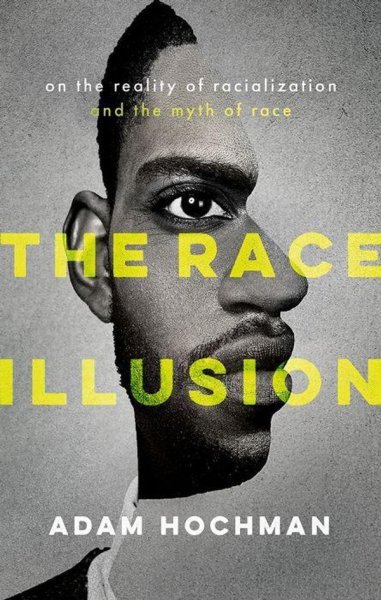
Adam Hochman propose une décomposition rigoureuse du concept de race et de sa prétendue réalité biologique. Sa critique de la race comme réalité sociale est néanmoins affaiblie par des choix définitionnels contestables.
À propos de : Lucas Chancel, Énergie et inégalités, Seuil
À propos de : Agnès Grivaux, Capitalisme et déraison. Essai sur la première Théorie critique, Classiques Garnier
À propos de : Kate Brown, Plutopia, une histoire des premières villes atomiques, Actes Sud