Books & Ideas is the English-language mirror website of La Vie des Idées, a free online journal which has gained a large readership and established itself in France as a major place for intellectual debate since 2007.
The rise of surveillance technologies is redefining the approach to security amid economic pressures. Wherever it is implemented, this surveillance, boosted by new technologies, raises the question of abuses that threaten civil liberties.
The female silhouette – understood as the body’s visible form and socially perceived appearance – has long been shaped by social norms. In the age of social media, these norms are intensifying, prompting, in response, the rise of so-called “body-positive” movements.
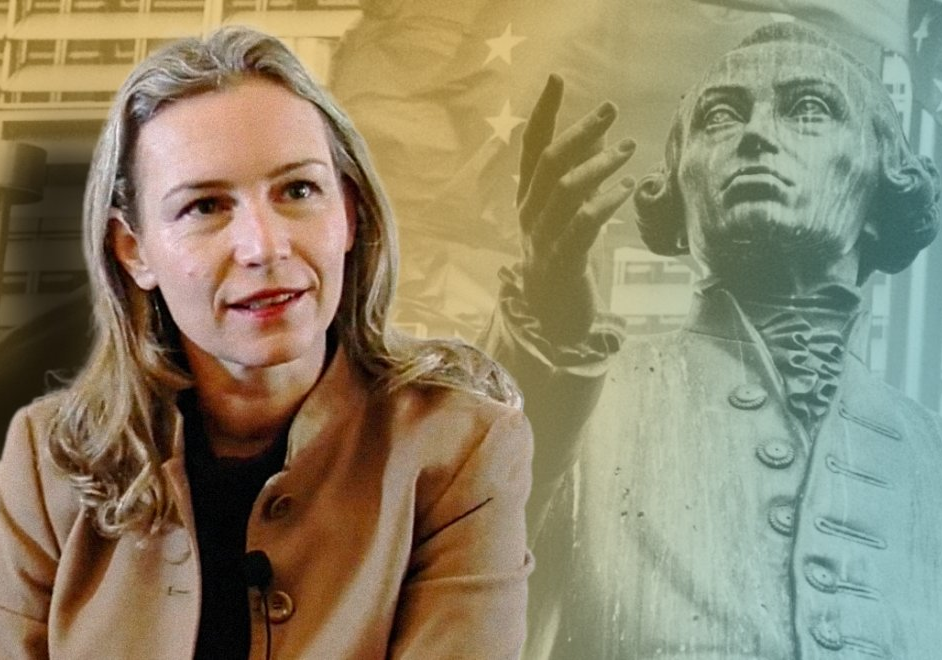
How can we move beyond the double deadlock of state socialism and market capitalism? For Lea Ypi, returning to Kant and the Enlightenment offers a perspective to provide a new ground to freedom as social responsibility, and to open up towards a cosmopolitan horizon against the authoritarianism of profit.
From Salomé to Lolita, representations of “temptresses” haunt male fantasies. They entail a woman who has said “yes” before she has even been asked anything. And women who “fire up” men’s desire must pay the price.
How do children construct their racial identity? Based on a groundbreaking study of children from so-called “mixed” couples, Solène Brun explores the processes of racialization within family structures.
About: Sandra Hoibian, La mosaïque française. Comment (re)faire société aujourd’hui, Flammarion
About: Jean-Claude Schmitt, Les Images médiévales. La figure et le corps, Gallimard
About: Bertrand Cochard, Vide à la demande. Critique des séries, L’Échappée
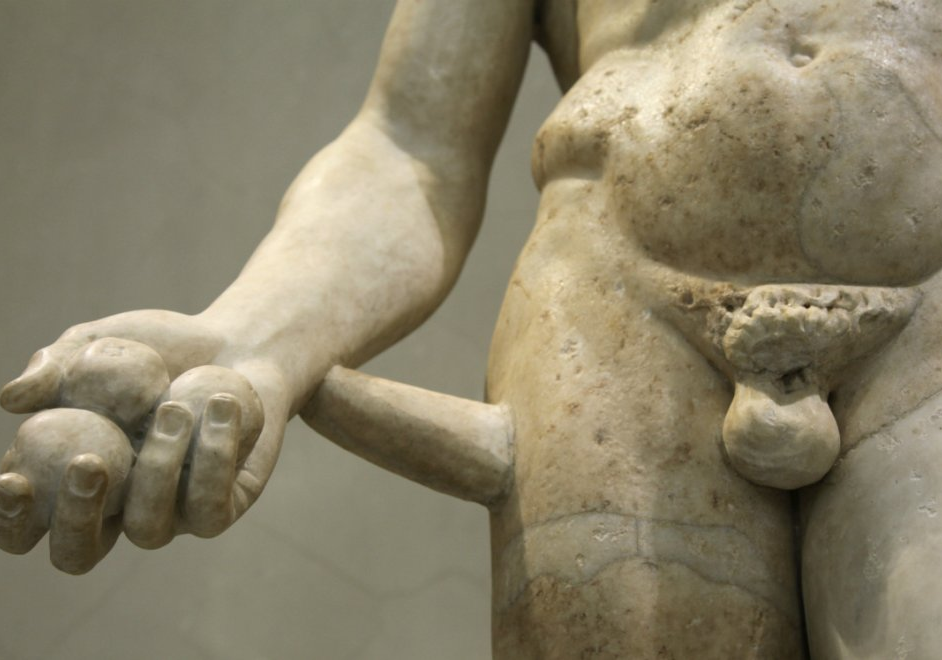
A rumour is circulating in some African countries: the French state is organising penis thefts to offset declining fertility. The rumour, spread by Russian propaganda, has become fake news.
The American sociologist Harrison White made a vital contribution to the development of social network analysis. Besides his work in this field, his theoretical synthesis and his understanding of social formations have influenced a variety of fields such as the sociology of art and economic sociology.
Ukraine’s water networks have been mobilized since the start of the war in 2014. Infrastructure workers are some of the last to leave settlements attacked by the Russian army. Water systems and people are resisting but are reaching the limits of their capacity to adapt to violence and disruptions.
Books & Ideas is slowing down for the summer and will resume its publication schedule on August 26. In the meantime, we present to you a weekly selection of essays and reviews published over the past year.
Books & Ideas is slowing down for the summer and will resume its publication schedule on August 26. In the meantime, we present to you a weekly selection of articles published over the last year.
Five leading scholars of Big Tech studies share their views on the hopes and dangers of the on-going Digital Revolution. Their answers reveal the pressing need for more political, social and economic theorizing of these dynamics.
Ronald Dworkin’s innovative and politically ambitious work has become essential reading in political and legal theory. Taking issue with classical political liberalism, he argues that liberty and equality are not mutually exclusive, and are indeed inseparable. And against traditional interpretations of law, he argues that law must be understood by comparing it to a collective novel, a mixture of creativity and interpretation.
Richard Hoggart (1918-2014), a poor child who went onto become a university professor, was the epitome of a successful scholarship student. The trajectory of this “exemplary counter-example” sheds light on the mechanisms of social reproduction when they prove inoperative and the distance that can be traveled from one’s native milieu.
Although now considered a pseudo-science, phrenology was tremendously successful in its Victorian heyday. Tracing the intellectual and scientific journey of George Combe, the ’science’s most prominent promoter in Great Britain, this paper addresses the phrenologists’ little-known contribution to the ’social question’ debate of the day, and the ambiguities of their social gospel.
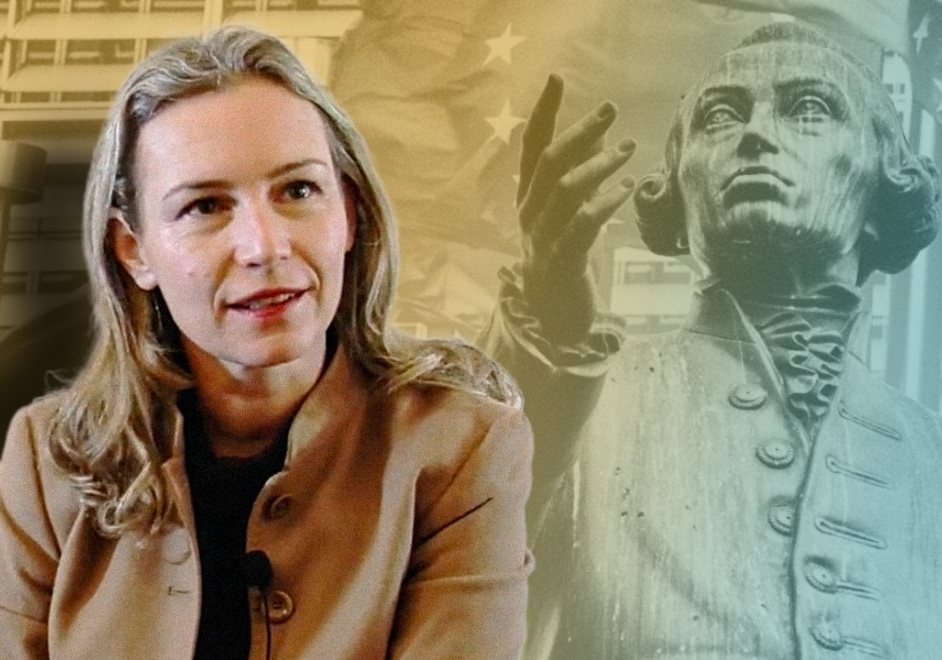
Comment dépasser la double impasse du socialisme d’État et du capitalisme de marché ? Pour Lea Ypi, revenir à Kant et aux Lumières constitue une perspective afin de refonder la liberté comme responsabilité sociale, et pour ouvrir un horizon cosmopolite contre l’autoritarisme du profit.
À rebours des replis contemporains, le Maghreb fut, dans les années 1960-1970, un foyer majeur des solidarités révolutionnaires sur le continent africain. De ses capitales surgirent des réseaux politiques, artistiques et intellectuels porteurs d’un élan radical.
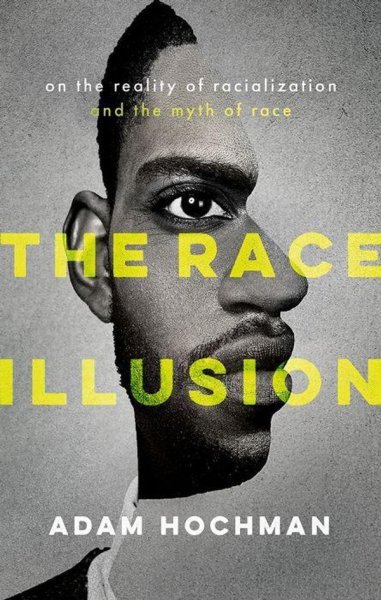
Adam Hochman propose une décomposition rigoureuse du concept de race et de sa prétendue réalité biologique. Sa critique de la race comme réalité sociale est néanmoins affaiblie par des choix définitionnels contestables.
À propos de : Lucas Chancel, Énergie et inégalités, Seuil
À propos de : Agnès Grivaux, Capitalisme et déraison. Essai sur la première Théorie critique, Classiques Garnier
À propos de : Kate Brown, Plutopia, une histoire des premières villes atomiques, Actes Sud