Books & Ideas is the English-language mirror website of La Vie des Idées, a free online journal which has gained a large readership and established itself in France as a major place for intellectual debate since 2007.
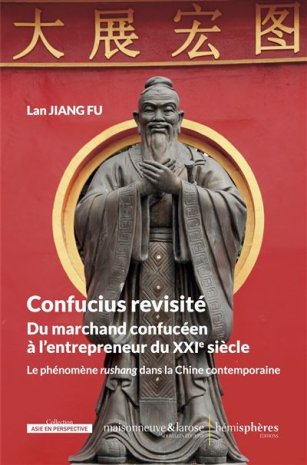
At a time when Chinese capitalism is in search of an ethic, entrepreneurs are reinventing the old Confucian merchant.
Jeanne Tsai and Batja Mesquita show how emotions are shaped by cultural logics that orient our relationships and judgments. Their conversation raises a broader question: what does it mean to understand others in culturally plural societies?
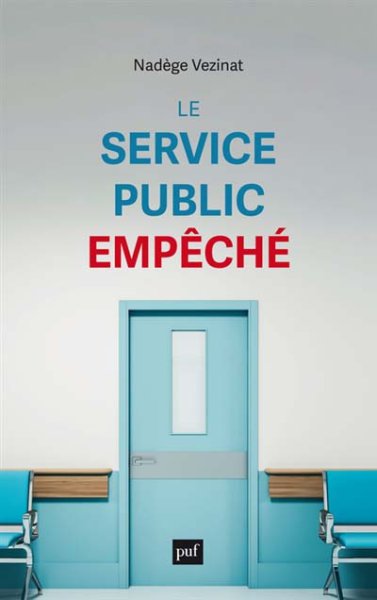
What effects have economic rationalization had on public services? Nadège Vezinat presents a nuanced picture of how institutional dynamics weaken the welfare state’s bureaucracy, agents, and the rights of beneficiaries.
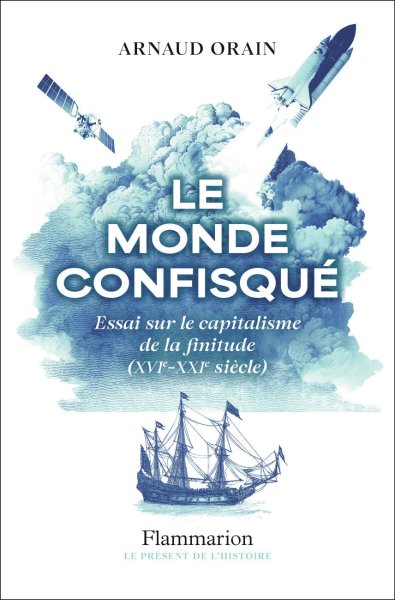
According to Arnaud Orain, capitalism, with the exception of a few historical periods when free markets prevailed, has primarily been characterized by mercantilism, or “capitalism of finitude,” which pits against one another the ambitions of nation-states that seek to escape competition by imposing their hegemony through force.
About: Anne Ibos-Augé, Les femmes et la musique au Moyen Âge, éditions du Cerf
About: Éric Dacheux et Daniel Goujon, Théorie délibérative des valeurs, Presses universitaires de Provence
About: Céline Marty, L’écologie libertaire d’André Gorz. Démocratiser le travail, libérer le temps, Presses universitaires de France
The female silhouette – understood as the body’s visible form and socially perceived appearance – has long been shaped by social norms. In the age of social media, these norms are intensifying, prompting, in response, the rise of so-called “body-positive” movements.
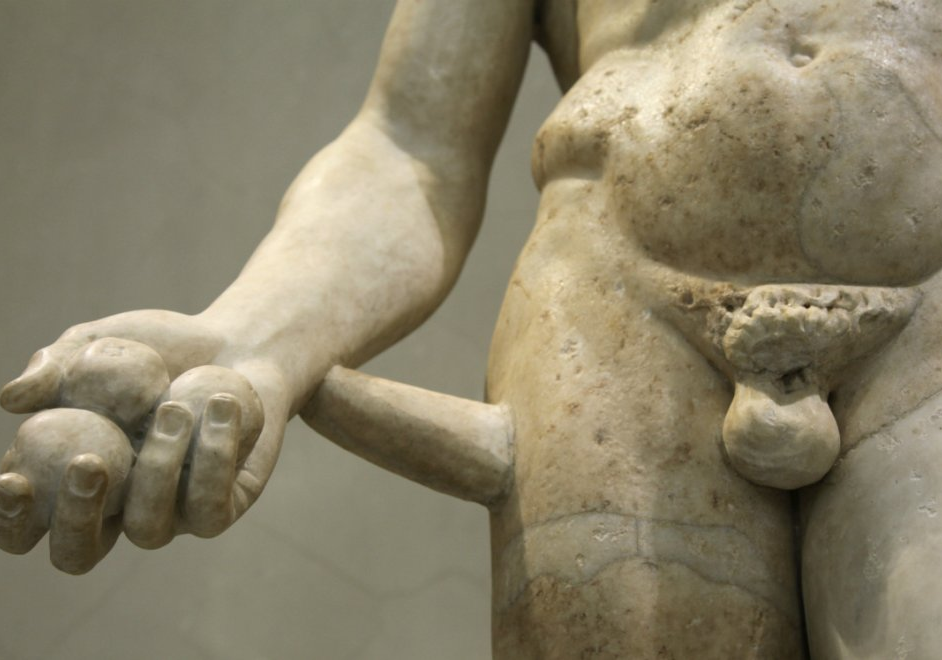
A rumour is circulating in some African countries: the French state is organising penis thefts to offset declining fertility. The rumour, spread by Russian propaganda, has become fake news.
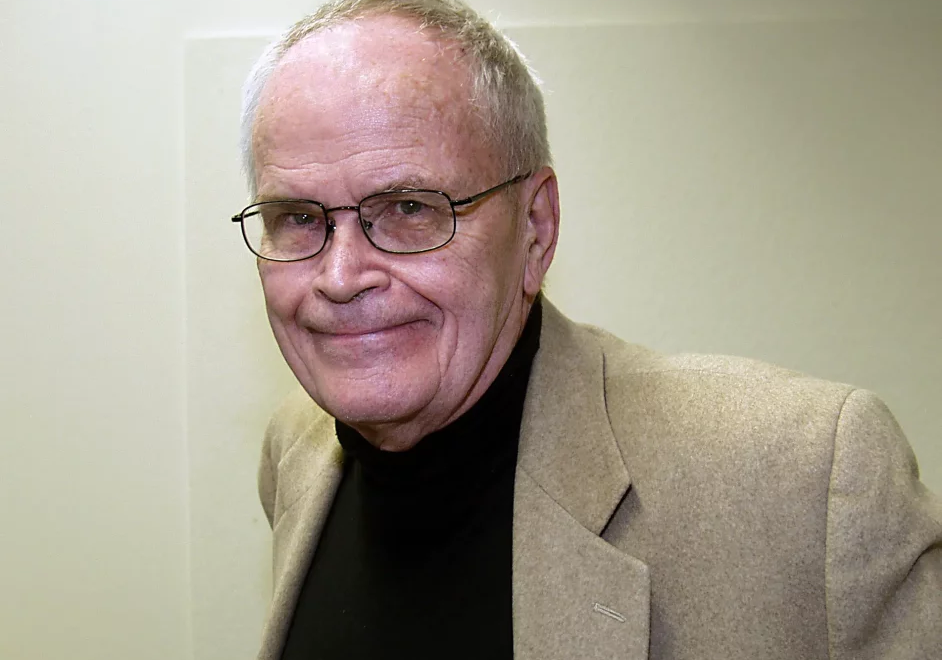
The American sociologist Harrison White made a vital contribution to the development of social network analysis. Besides his work in this field, his theoretical synthesis and his understanding of social formations have influenced a variety of fields such as the sociology of art and economic sociology.
This dossier examines the recently reopened debate on regional integration in Asia. What are the obstacles to the construction of an Asian Union? How is the issue tackled in Japan, China or Australia?
Twenty years after the publication of Viviana Zelizer’s “The Social Meaning of Money”, this special issue brings together scholars from different disciplinary backgrounds to examine the genesis of the book, its impact in shaping the analysis of economic value, and its enduring intellectual influence on both sides of the Atlantic.
Books & Ideas is going on holiday for the summer, and will resume its publication schedule in September. In the meantime, we present you with a weekly roundup of our most recent essays and reviews. Economic inequalities have been at the forefront of intellectual debate this year with the publication of Thomas Piketty’s Capital in the Twenty-First Century. Our third selection of articles brings an international perspective on the issue, with a sociological and historical outlook.
According to Nancy Fraser, the renewal of socialism requires a conflation of activism and political theory; indeed, emancipation can only exist on the basis of equal participation in all spheres of life, and can only be understood in terms of social struggles, which today appear in multiple forms.
What distinguishes a blank canvas from an empty frame? A simple object from a readymade? What is this mysterious gap that art digs as it separates from life? Such are the questions posed by Arthur Danto, a major figure of contemporary art theory.
Ronald Dworkin’s innovative and politically ambitious work has become essential reading in political and legal theory. Taking issue with classical political liberalism, he argues that liberty and equality are not mutually exclusive, and are indeed inseparable. And against traditional interpretations of law, he argues that law must be understood by comparing it to a collective novel, a mixture of creativity and interpretation.
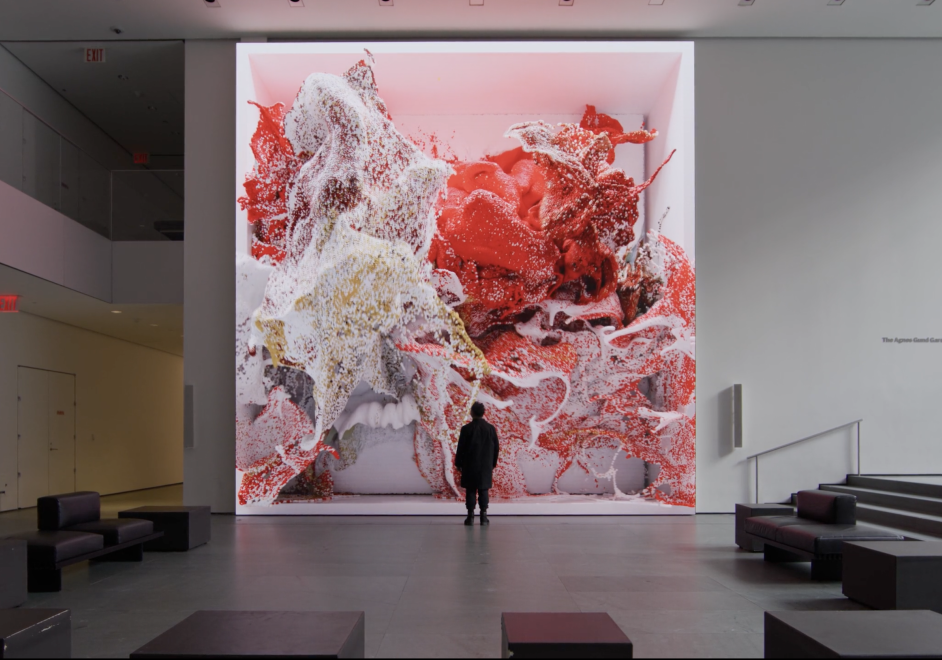
Et pourquoi l’usage de l’IA générative serait-elle incompatible avec la création artistique ? Il y a pourtant longtemps que la notion d’auteur, seul maître à bord de son oeuvre, a fait l’objet de contestation.
Usons-nous des bons termes pour décrire le changement climatique ? On peut en douter, car la crise environnementale que nous traversons est tout autant géopolitique et économique.
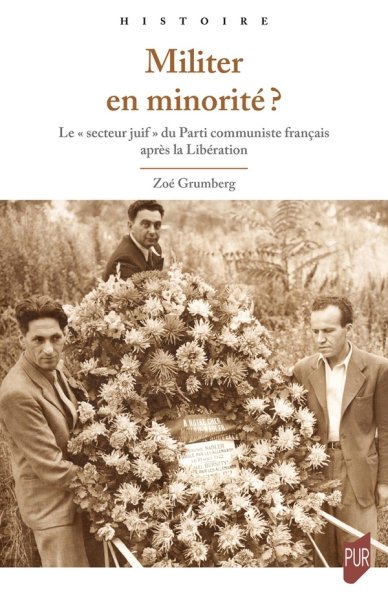
Comment conserver son identité culturelle et la mémoire des persécutions lorsqu’on est membre du Parti communiste, un parti qui se veut universaliste ? En étant attentive aux sociabilités et aux émotions de ses cadres juifs, l’historienne Zoé Grumberg analyse leurs dilemmes et leurs contributions au communisme français.
À propos de : Gabrielle Radica, La famille des classiques, ENS Éditions
À propos de : Gabrielle Angey, Yannick Fer et Juliette Galonnier (dir.), Saisir les religions en sociologue. Enjeux et méthodes, ENS éditions
À propos de : Arnaud Fossier, La Réputation au village. Enquête sur des procès d’Église (XIIIe siècle), Puf