Books & Ideas is the English-language mirror website of La Vie des Idées, a free online journal which has gained a large readership and established itself in France as a major place for intellectual debate since 2007.
Alongside its Paris branch, the French terrorist group Action Directe also operated a Lyon branch, responsible for dozens of attacks and robberies, and marked by a crude ideology and domestic abuse within the group. We look back at far-left violence in the post-1968 era.
The female silhouette – understood as the body’s visible form and socially perceived appearance – has long been shaped by social norms. In the age of social media, these norms are intensifying, prompting, in response, the rise of so-called “body-positive” movements.
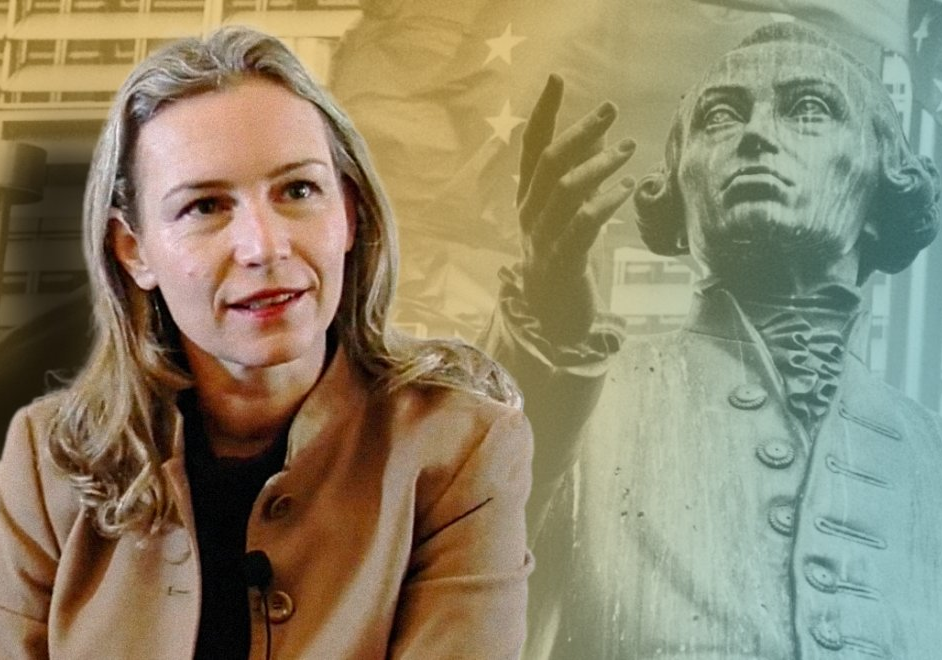
How can we move beyond the double deadlock of state socialism and market capitalism? For Lea Ypi, returning to Kant and the Enlightenment offers a perspective to provide a new ground to freedom as social responsibility, and to open up towards a cosmopolitan horizon against the authoritarianism of profit.
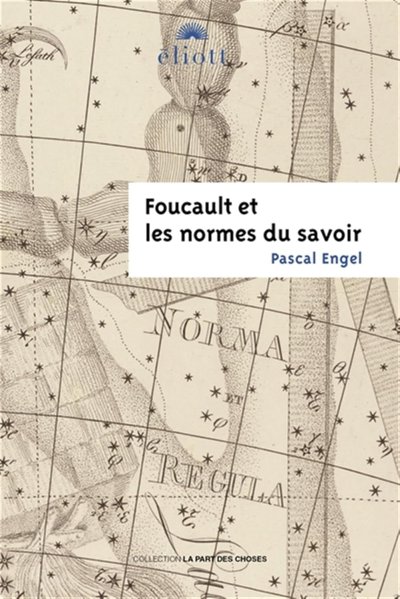
Is Foucault’s genealogy concerned with the will to truth or with truth itself? According to Pascal Engel, in maintaining the ambiguity between the two, Foucault ignored the norms of knowledge as an essential source of emancipation.
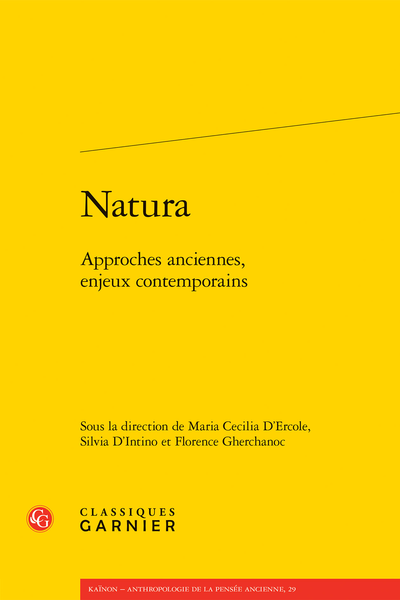
Our understanding of nature differs from that of the Greeks and Romans. From the “month of the ox” to “the forest goddess,” the ancients never thought to separate humans from the flora and fauna around them.
About: Marina Touilliez, Parias. Hannah Arendt et la « tribu » en France (1933-1941), L’échappée
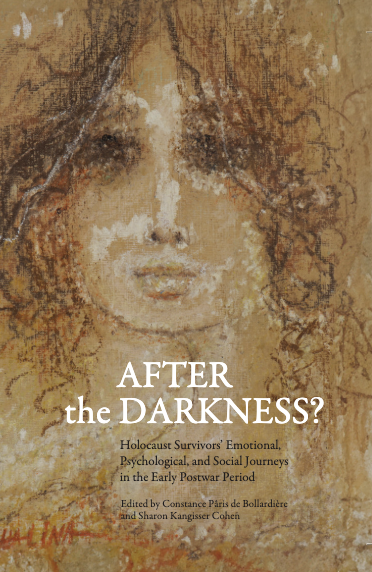
About: Constance Pâris de Bollardière and Sharon Kangisser Cohen (eds.), After the Darkness? Holocaust Survivors’ Emotional, Psychological and Social Journeys in the Early Postwar Period, Yad Vashem
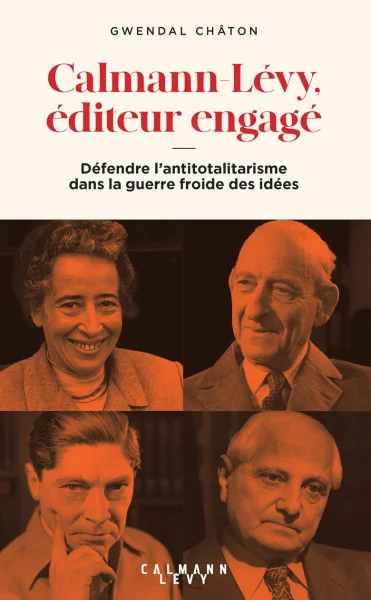
About: Gwendal Châton, Calmann-Lévy, éditeur engagé. Défendre l’antitotalitarisme dans la guerre froide des idées, Calmann-Lévy
A rumour is circulating in some African countries: the French state is organising penis thefts to offset declining fertility. The rumour, spread by Russian propaganda, has become fake news.
The American sociologist Harrison White made a vital contribution to the development of social network analysis. Besides his work in this field, his theoretical synthesis and his understanding of social formations have influenced a variety of fields such as the sociology of art and economic sociology.
Ukraine’s water networks have been mobilized since the start of the war in 2014. Infrastructure workers are some of the last to leave settlements attacked by the Russian army. Water systems and people are resisting but are reaching the limits of their capacity to adapt to violence and disruptions.
A selection of five essays and reviews recently published in Books&Ideas discusses the legacy and renewal of social class studies in France, Great-Britain and India.
The Paris Agreement on Climate Change is three years old this week but is already under attack. In support of further necessary action to address the changing climate, Public Books & La Vie des Idées offer a collaborative series of articles examining the intersection of climate change and capitalism.
In the U.S., in France as well with Hugues Lagrange’s book on “the denial of cultures”, culture has again become the focus of poverty studies. Our dossier on “culture of poverty” reviews this new trend and examines a notion that has paradoxically been given a new lease of life by the economic downturn, half a century after Oscar Lewis controversially introduced it.
For more than thirty years, Joan Scott has been informing and transforming both our history and the way we write history, while encouraging us to question categories and change our modes of thinking. From class struggle to sex differentiation, sexual emancipation and race, she proposes a critical analysis of Republican rhetoric to undermine naturalized forms of inequality.
A great historian of the English working class, a major intellectual figure in debates surrounding Marxism in the years 1960-1970, and an anti-nuclear activist who initiated an environmentalist critique of capitalism—such were the many faces of Edward Palmer Thompson, whose work deeply permeates the different social sciences to this day.
According to Nancy Fraser, the renewal of socialism requires a conflation of activism and political theory; indeed, emancipation can only exist on the basis of equal participation in all spheres of life, and can only be understood in terms of social struggles, which today appear in multiple forms.
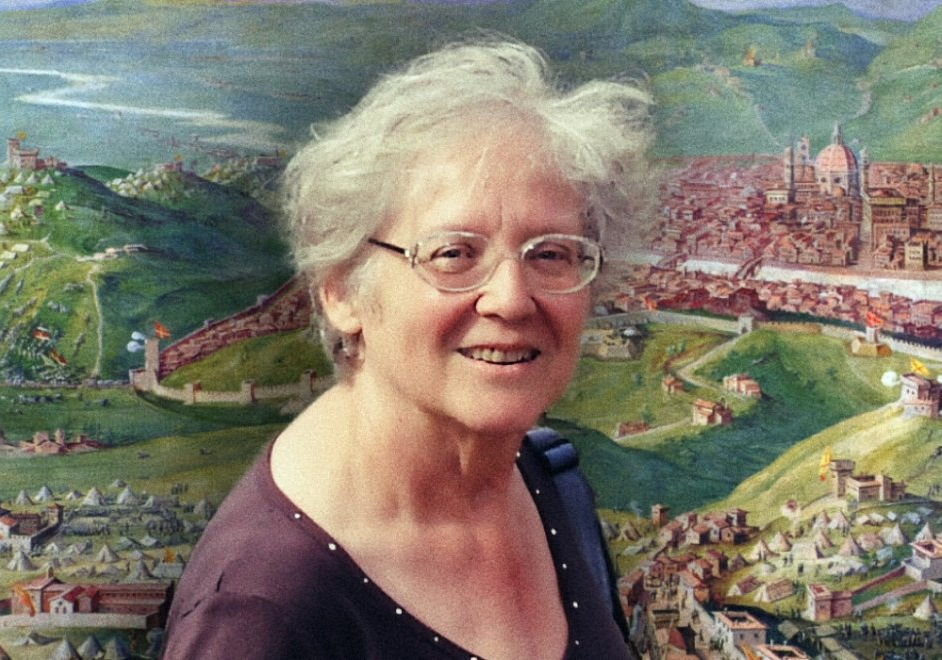
Pionnière de l’histoire des femmes avant que les études de genre s’institutionnalisent en France, Christiane Klapisch-Zuber a construit une œuvre multiforme ancrée dans l’histoire sociale et l’histoire de la parenté.
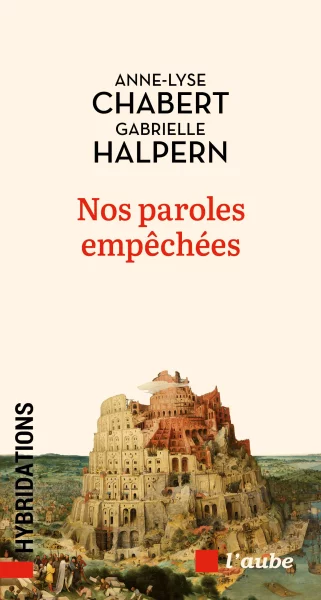
Et si l’impossibilité de parler en disait davantage sur la société que sur les individus ? Deux philosophes dialoguent au confluent de l’expérience et du politique.
Les élites britanniques se caractérisent par une très grande permanence de leurs stratégies de reproduction sociale. À partir d’une enquête originale sur les notices du Who’s Who, Aaron Reeves et Daniel Friedman tentent d’identifier les logiques sociales d’évolution de ce groupe sur le long terme.
À propos de : Sylvain Kahn, L’Europe : Un État qui s’ignore, CNRS éditions
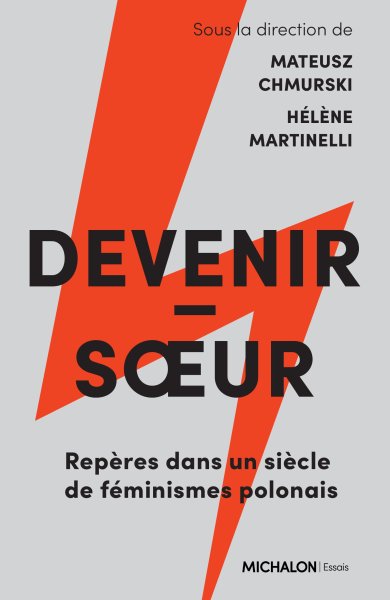
À propos de : Mateusz Chmurski, Hélène Martinelli, Devenir-sœur. Repères dans un siècle de féminismes polonais, Michalon
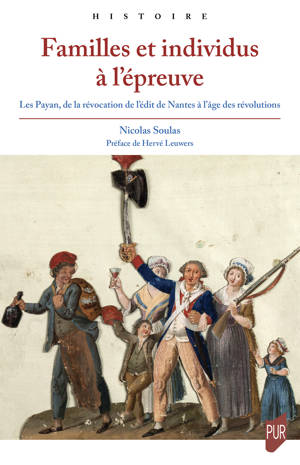
À propos de : Nicolas Soulas, Familles et individus à l’épreuve. Les Payan, de la révocation de l’Édit de Nantes à l’âge des révolutions, Presses Universitaires de Rennes