Books & Ideas is the English-language mirror website of La Vie des Idées, a free online journal which has gained a large readership and established itself in France as a major place for intellectual debate since 2007.
Julia Cagé and Thomas Piketty’s economic history of political conflict in France is a defense of bipartition: The Left-Right divide, which is the foundation of our democracy, has enabled social progress. We must therefore work to restore it.
As multilateral cooperation is increasingly under attack, Katerina Linos challenges certain misperceptions about the role of international institutions, particularly the European Union, and emphasizes their capacity for action in times of multiple crises.
In his academic reading of Julia Cagé and Thomas Piketty’s book, Michel Offerlé provides a critical analysis of the selected indicators, followed by a comparison with works of electoral sociology and electoral history.
Long the subject of myth, Pius XII’s attitude towards the Holocaust and Jewish persecution can now be evaluated with the help of the archives. Nina Valbousquet makes a convincing case: the issue was not impartiality, but tepidness.
About: François Azouvi, Du héros à la victime : la métamorphose contemporaine du sacré, Gallimard
About: Eric Fabri, Pourquoi la propriété privée (The Whys and Wherefores of Private Property), Le Bord de l’Eau
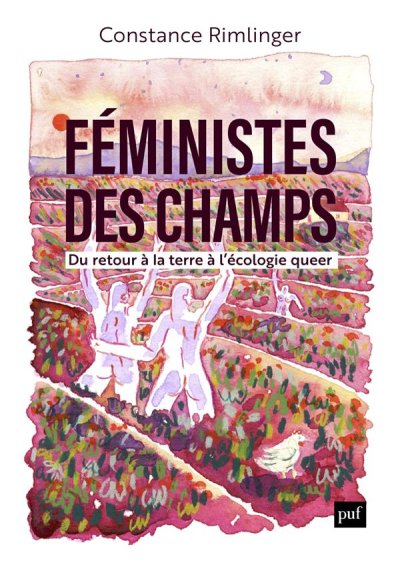
About: Constance Rimlinger, Féministes des champs. Du retour à la terre à l’écologie queer, Presses universitaires de France
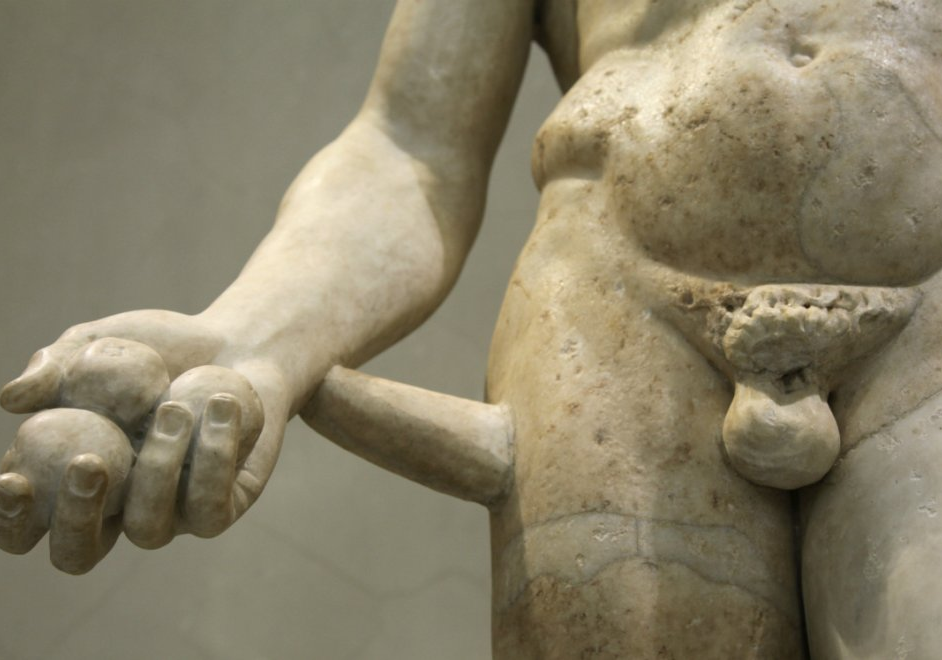
A rumour is circulating in some African countries: the French state is organising penis thefts to offset declining fertility. The rumour, spread by Russian propaganda, has become fake news.
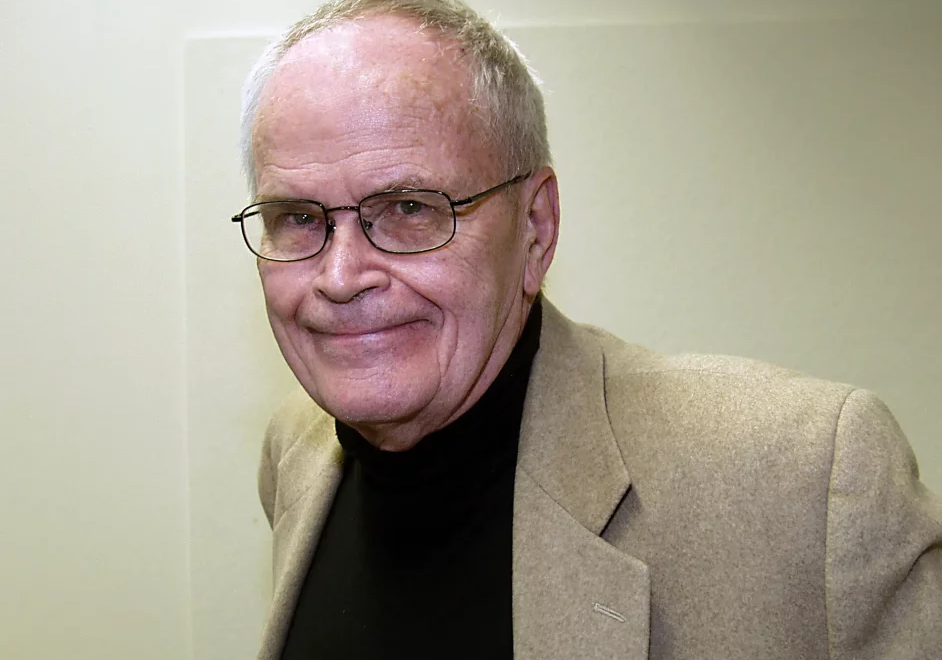
The American sociologist Harrison White made a vital contribution to the development of social network analysis. Besides his work in this field, his theoretical synthesis and his understanding of social formations have influenced a variety of fields such as the sociology of art and economic sociology.
Ukraine’s water networks have been mobilized since the start of the war in 2014. Infrastructure workers are some of the last to leave settlements attacked by the Russian army. Water systems and people are resisting but are reaching the limits of their capacity to adapt to violence and disruptions.
Five leading scholars of Big Tech studies share their views on the hopes and dangers of the on-going Digital Revolution. Their answers reveal the pressing need for more political, social and economic theorizing of these dynamics.
Twenty years after the publication of Viviana Zelizer’s “The Social Meaning of Money”, this special issue brings together scholars from different disciplinary backgrounds to examine the genesis of the book, its impact in shaping the analysis of economic value, and its enduring intellectual influence on both sides of the Atlantic.
How to renew the currently dwindling support for democratic governance? To the minds of theorists and historians, whether advocating going back to classical political traditions like Republicanism or drawing lots, or experimenting new approaches, increased political participation may be the best path to follow.
Richard Hoggart (1918-2014), a poor child who went onto become a university professor, was the epitome of a successful scholarship student. The trajectory of this “exemplary counter-example” sheds light on the mechanisms of social reproduction when they prove inoperative and the distance that can be traveled from one’s native milieu.
How do scientific discoveries and progress come about? Against an idealist and triumphalist conception of the history of science, Simon Schaffer’s oeuvre examines science in the making, in close proximity to its practices and actors. Far from diminishing its prestige, this approach restores science to the central place it occupied in Old Regime societies.
Jane Mansbridge has made a major contribution to political theory. She has spent her life combining empirical research with a theoretical approach, and has played a vital role in developing the critique of rational choice and the study of democracy as a permanent process continually in flux.
L’adoption du mode de scrutin proportionnel apparaît aujourd’hui, selon deux politistes, comme une condition nécessaire pour redonner à la démocratie française la capacité de renouer avec des gouvernements représentatifs, stables et opérationnels.
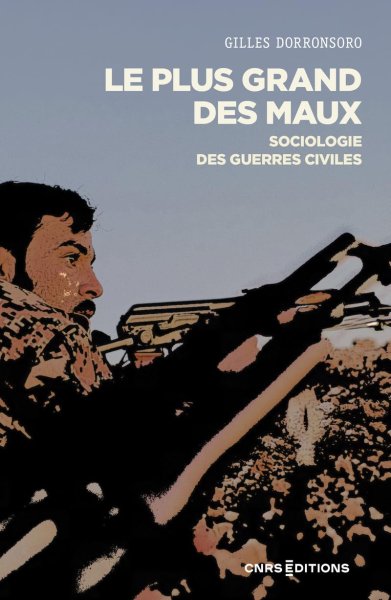
Que nous apprennent les sciences sociales sur ce que sont – et ne sont pas – les guerres civiles ? Fort de décennies d’enquêtes au cœur de la violence, Gilles Dorronsoro propose une théorie générale des guerres civiles et démontre l’utilité sociale de l’enquête de terrain.
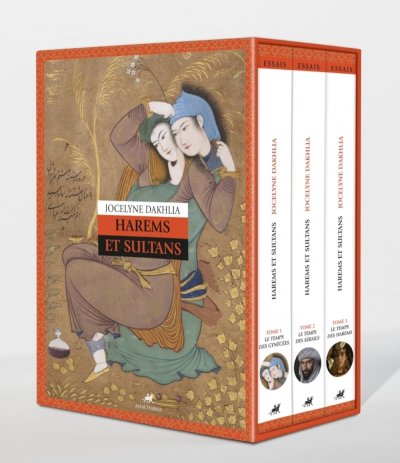
Le harem a nourri l’imaginaire occidental jusqu’à aujourd’hui, véhiculant le cliché d’un monde despotique et misogyne. L’imposante documentation réunie par J. Dakhlia offre une vision plus nuancée.
À propos de : Amandine Catala, The Dynamics of Epistemic Injustice. Situating Epistemic Power and Agency, Oxford University Press
À propos de : Fabien Clouette, Des vies océaniques. Quand des animaux et des humains se rencontrent, Seuil