Books & Ideas is the English-language mirror website of La Vie des Idées, a free online journal which has gained a large readership and established itself in France as a major place for intellectual debate since 2007.
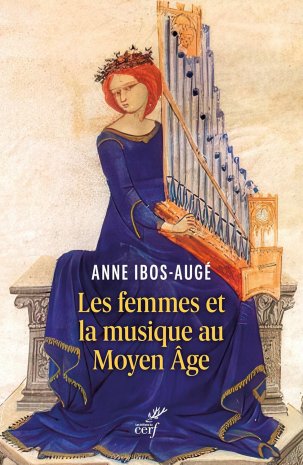
During the Middle Ages, women didn’t just listen to music. They sang, composed, copied, and transmitted it. Behind the silence of the sources, there exits, from cloisters to courts, a form of musical life that remains largely unknown. A new book brings to life these flourishing musical practices.
Jeanne Tsai and Batja Mesquita show how emotions are shaped by cultural logics that orient our relationships and judgments. Their conversation raises a broader question: what does it mean to understand others in culturally plural societies?
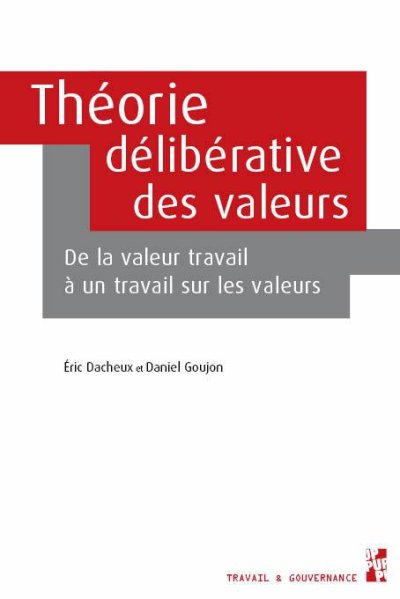
Has the idea of value lost value? By considering the concept in its plurality, Éric Dacheux and Daniel Goujoun make a case for an economy that is social, ecological, and deliberative.
Céline Marty offers an in-depth interpretation and contextualization of André Gorz’s philosophical oeuvre. Through a careful examination of his vision of a society of subjects that are truly autonomous—in work as in life—she sheds light on the coherence and radicalness of this highly original form of ecosocialism.
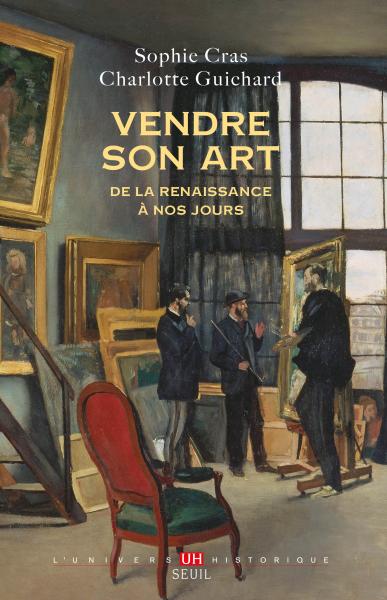
About: Sophie Cras et Charlotte Guichard, Vendre son art. De la renaissance à nos jours, Seuil
About: Sacha Todorov, De la City à la ZAD. Une brève histoire des carnavals militants, Classiques Garnier
About: Isabelle Dasque, Le pouvoir des femmes de diplomates, XIXe-XXIe siècles, Nouveau Monde Éditions
The female silhouette – understood as the body’s visible form and socially perceived appearance – has long been shaped by social norms. In the age of social media, these norms are intensifying, prompting, in response, the rise of so-called “body-positive” movements.
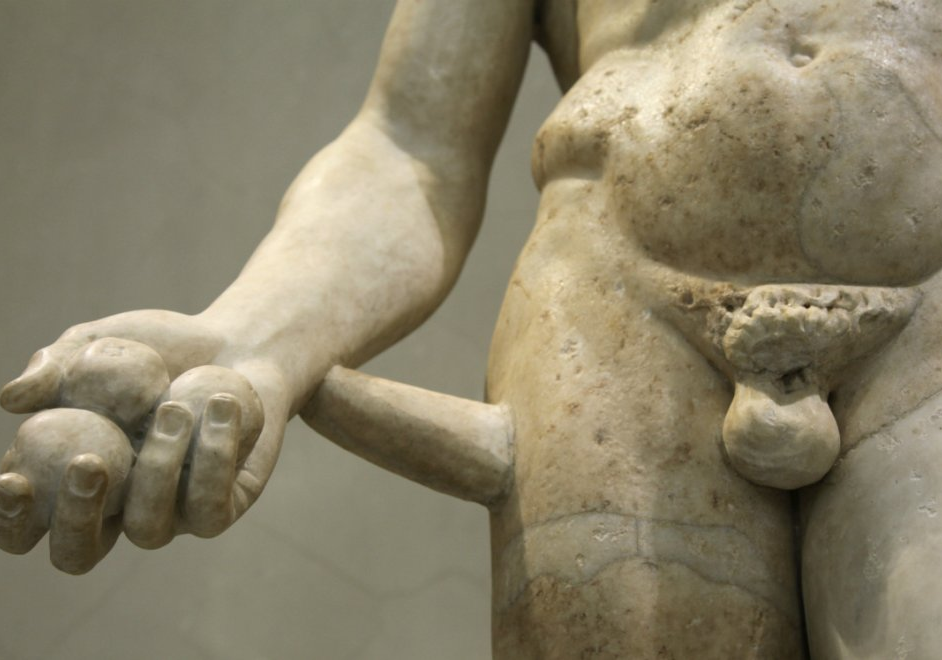
A rumour is circulating in some African countries: the French state is organising penis thefts to offset declining fertility. The rumour, spread by Russian propaganda, has become fake news.
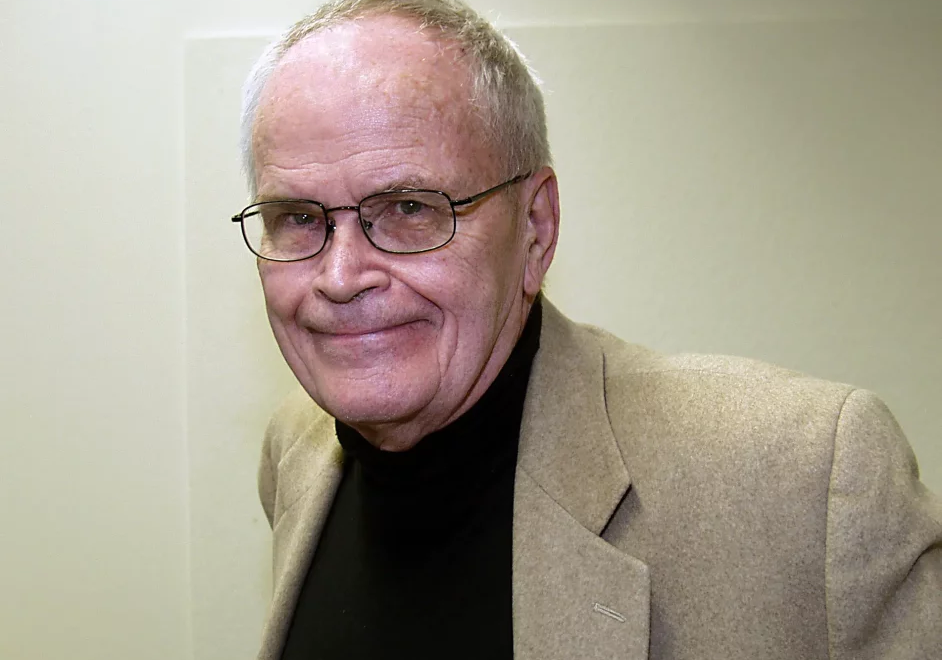
The American sociologist Harrison White made a vital contribution to the development of social network analysis. Besides his work in this field, his theoretical synthesis and his understanding of social formations have influenced a variety of fields such as the sociology of art and economic sociology.
At a time when Europe is equated with sovereign debt and political powerlessness, one should not forget that the foundations for a European citizenship have already been laid. Its potential for democracy needs to be interrogated, as do the cultural resources that it can rely on.
In our second winter selection of reviews and essays, Books & Ideas takes a look back at a few important articles published over the last year on the current developments and trends affecting public spaces for expression and debate : from the traditional media to the world wide web, these different spaces are all under pressure from ongoing changes. Rules and practices are evolving, as the traditional public space is being radically enlarged.
How can we define democracy today? What role does or should the people play in the democratic process ? Through its summer selection, Books&Ideas offers to rediscover a group of four interviews and reviews, published in 2015 and 2016, which have tackled these questions through the prism of history, philosophy and political sciences.
“Do we have the right to make bets on the future of mankind?” Forty-one years after being the first ecologist candidate in a presidential campaign and publishing his manifesto book, René Dumont’s intuitions and warnings have lost little of their relevance.
Thanks to his work on Greco-Roman antiquity, his intellectual curiosity, his pronounced taste for interdisciplinarity, his sense of humor, and the freedom that informs all his research, Paul Veyne is a twentieth-century historian whose work cannot be avoided. A loose cannon at the heart of the academic establishment, a deep thinker and a dilettante, Veyne invites us, through his work, to a festival of thought.
Rediscovering an activist thinker who was at the origins of eco-feminism, but remains unknown. Her work inspired an extremely heterogeneous movement, but has her ambition to concretely transform the social, economic and political organisation of society been pursued?
Le mouvement lycéen de l’automne 2026 a vu notamment fleurir les revendications liées à l’état du bâti scolaire. Une analyse par les sciences sociales permet de mettre en perspective cette cause et la manière dont elle reflète une demande sociale forte à l’égard de l’État chez les jeunes.
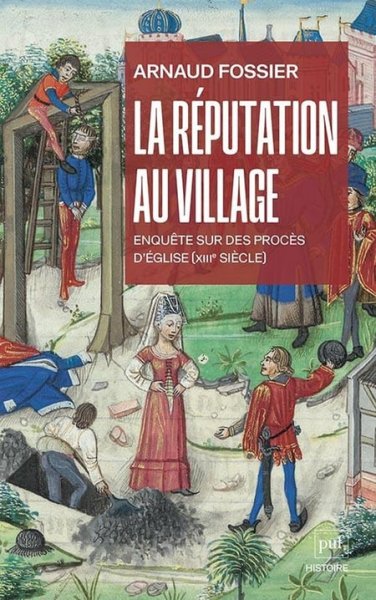
Au Moyen Âge, la justice ecclésiastique transforme rumeurs, témoignages et renommée publique en instruments de jugement. La fama permet ainsi de situer le point de croisement de la pratique sociale et de la procédure judiciaire.
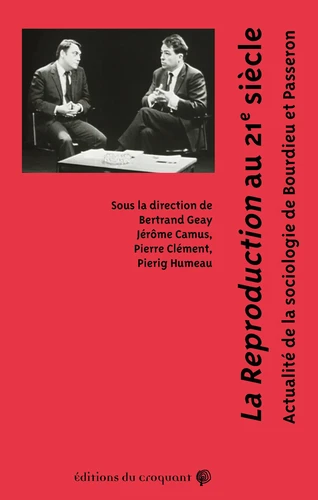
À partir de terrains inédits, un ouvrage collectif documente la robustesse de la thèse de la Reproduction, 55 ans après sa parution. Ce faisant, il livre une histoire de la sociologie de l’éducation française depuis les années 1960.
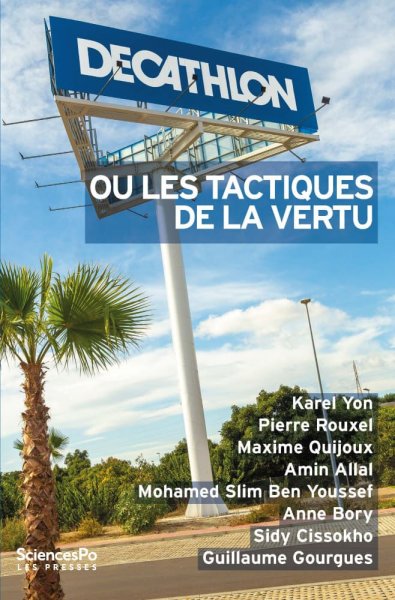
À propos de : Karel Yon, Pierre Rouxel, Maxime Quijoux, Amin Allal, Mohamed Slim Ben Youssef, Anne Bory, Sidy Cissokho & Guillaume Gourgues, Decathlon ou les tactiques de la vertu, Presses de Sciences Po
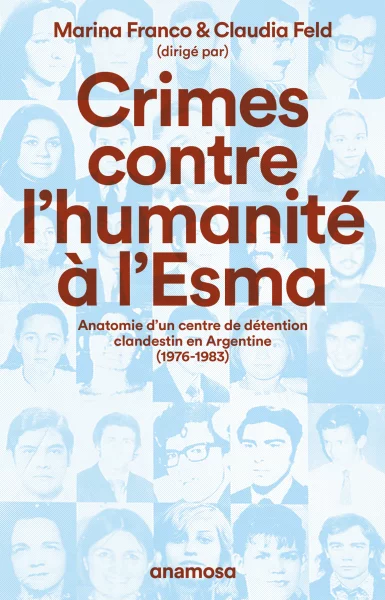
Claudia Feld et Marina Franco, Crimes contre l’humanité à l’ESMA. Anatomie d’un centre de détention clandestin en Argentine (1976-1983), Anamosa
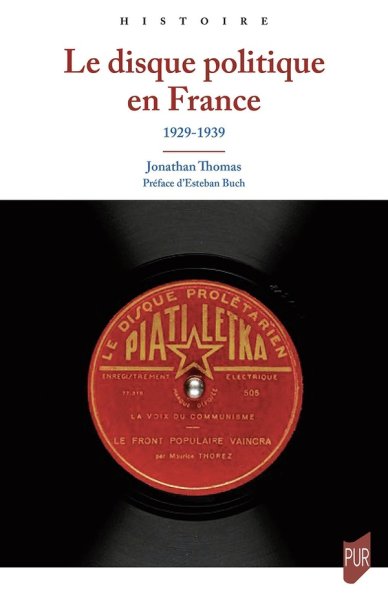
À propos de : Jonathan Thomas, Le Disque politique en France 1929-1939, Presses Universitaires de Rennes