Books & Ideas is the English-language mirror website of La Vie des Idées, a free online journal which has gained a large readership and established itself in France as a major place for intellectual debate since 2007.
During the Middle Ages, women didn’t just listen to music. They sang, composed, copied, and transmitted it. Behind the silence of the sources, there exits, from cloisters to courts, a form of musical life that remains largely unknown. A new book brings to life these flourishing musical practices.
Jeanne Tsai and Batja Mesquita show how emotions are shaped by cultural logics that orient our relationships and judgments. Their conversation raises a broader question: what does it mean to understand others in culturally plural societies?
Has the idea of value lost value? By considering the concept in its plurality, Éric Dacheux and Daniel Goujoun make a case for an economy that is social, ecological, and deliberative.
Céline Marty offers an in-depth interpretation and contextualization of André Gorz’s philosophical oeuvre. Through a careful examination of his vision of a society of subjects that are truly autonomous—in work as in life—she sheds light on the coherence and radicalness of this highly original form of ecosocialism.
About: Sophie Cras et Charlotte Guichard, Vendre son art. De la renaissance à nos jours, Seuil
About: Sacha Todorov, De la City à la ZAD. Une brève histoire des carnavals militants, Classiques Garnier
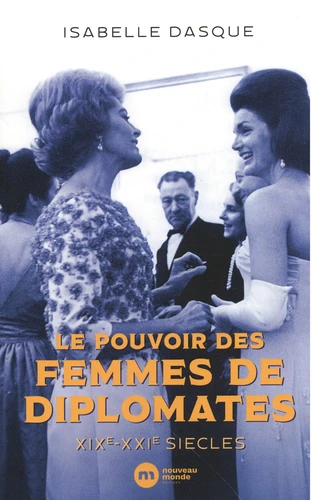
About: Isabelle Dasque, Le pouvoir des femmes de diplomates, XIXe-XXIe siècles, Nouveau Monde Éditions
The female silhouette – understood as the body’s visible form and socially perceived appearance – has long been shaped by social norms. In the age of social media, these norms are intensifying, prompting, in response, the rise of so-called “body-positive” movements.
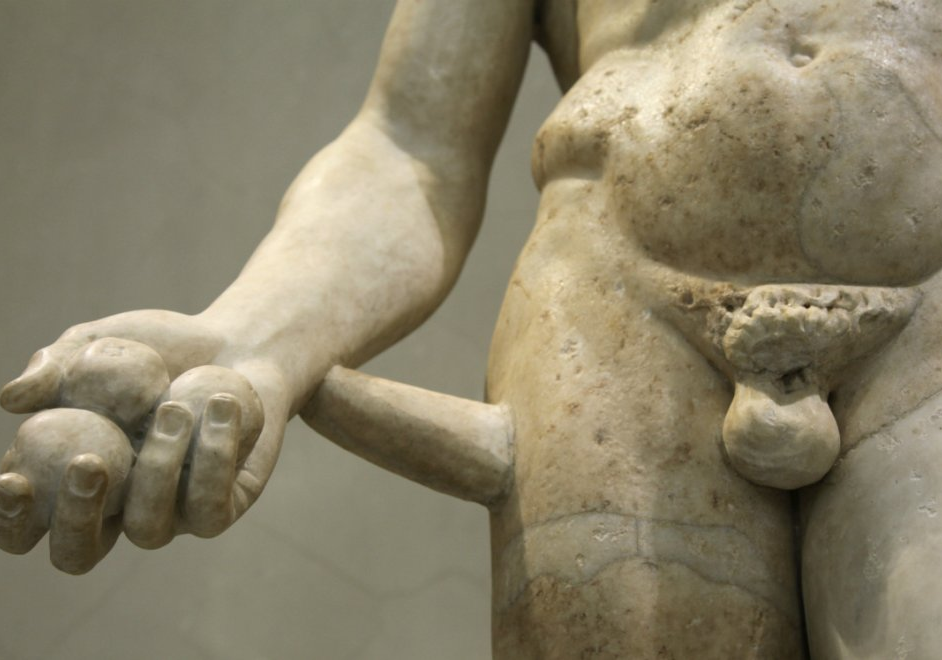
A rumour is circulating in some African countries: the French state is organising penis thefts to offset declining fertility. The rumour, spread by Russian propaganda, has become fake news.
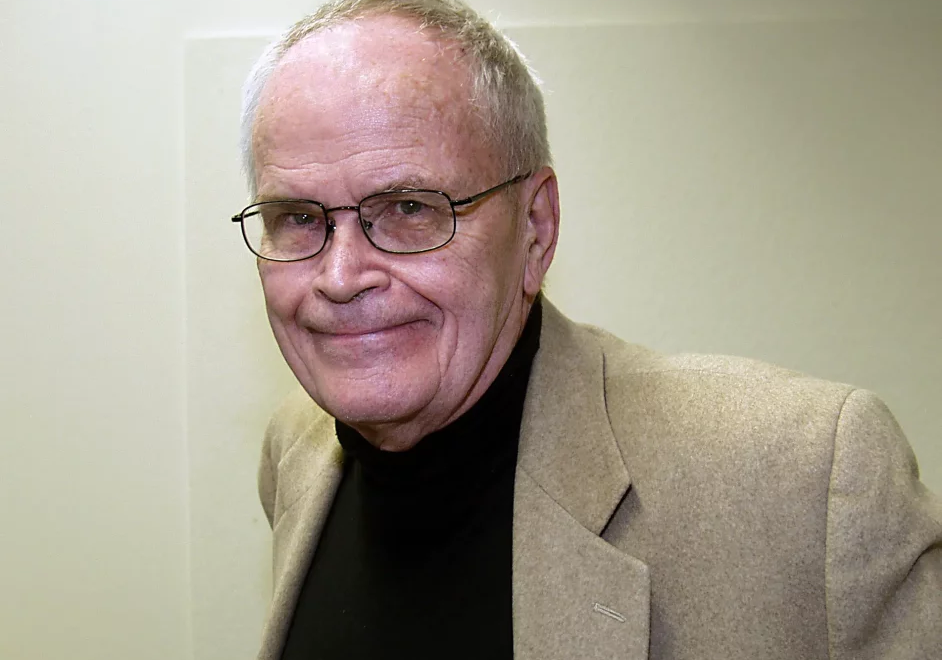
The American sociologist Harrison White made a vital contribution to the development of social network analysis. Besides his work in this field, his theoretical synthesis and his understanding of social formations have influenced a variety of fields such as the sociology of art and economic sociology.
How to renew the currently dwindling support for democratic governance? To the minds of theorists and historians, whether advocating going back to classical political traditions like Republicanism or drawing lots, or experimenting new approaches, increased political participation may be the best path to follow.
In this virtual roundtable published in partnership with Public Books, six contributors from France, Russia and the US address the issue of contemporary Russia and its often tense relations with the West.
Books&Ideas presents a second summer selection, in which contemporary historians tell us about the future of history as a discipline, about how they research and write history, and the way history affects their bodies and minds.
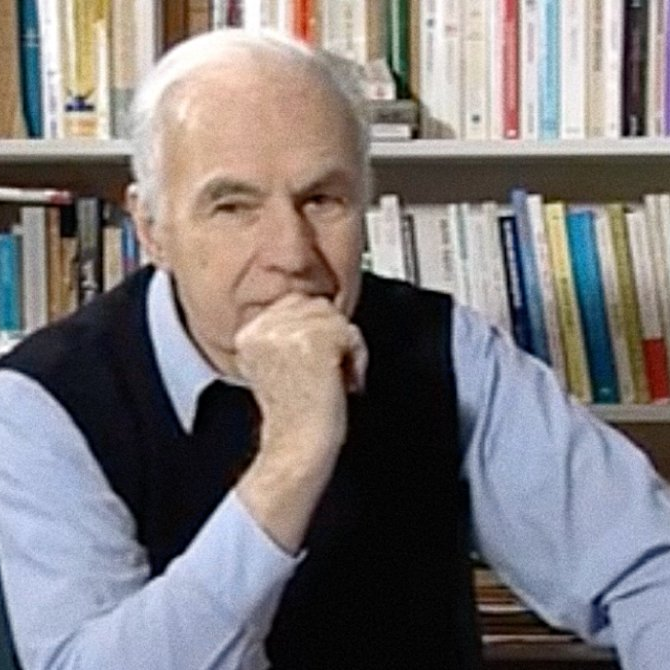
Michel Crozier’s work was shaped by the conviction that organizational phenomena create society. He helped pioneer the tools for analyzing groups established to carry out a common project according to a specific system of action and rules of the game.
Kenzaburō Ōe, winner of the Nobel Prize in Literature, is a controversial figure in Japan. And rightly so, for there are a great many contradictions in both his fictional and theoretical work. He is a fierce opponent of nuclear weapons and nuclear energy, and yet continues to celebrate the heroism of the soldier who finds glory through sacrifice.
For more than thirty years, Joan Scott has been informing and transforming both our history and the way we write history, while encouraging us to question categories and change our modes of thinking. From class struggle to sex differentiation, sexual emancipation and race, she proposes a critical analysis of Republican rhetoric to undermine naturalized forms of inequality.
Plantes et animaux souffrent lourdement pendant les épisodes caniculaires. C’est pourtant la biodiversité, si elle est bien gérée, qui peut réduire la chaleur dans les villes.
Le religieux est-il un objet sociologique comme les autres ? Comment mener l’enquête sur le terrain ? Un volume s’interroge sur les outils adéquats pour étudier ce champ ouvert sur le ciel mais qui semble souvent fermé aux profanes.
Au Moyen Âge, la justice ecclésiastique transforme rumeurs, témoignages et renommée publique en instruments de jugement. La fama permet ainsi de situer le point de croisement de la pratique sociale et de la procédure judiciaire.
À propos de : Bertrand Geay, Jérôme Camus, Pierre Clément et Pierig Humeau, dir., La Reproduction au 21e siècle. Actualité de la sociologie de Bourdieu et Passeron, Éditions du Croquant
À propos de : Karel Yon, Pierre Rouxel, Maxime Quijoux, Amin Allal, Mohamed Slim Ben Youssef, Anne Bory, Sidy Cissokho & Guillaume Gourgues, Decathlon ou les tactiques de la vertu, Presses de Sciences Po
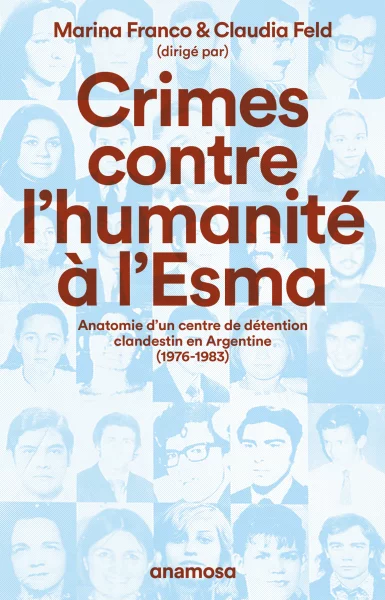
Claudia Feld et Marina Franco, Crimes contre l’humanité à l’ESMA. Anatomie d’un centre de détention clandestin en Argentine (1976-1983), Anamosa