Books & Ideas is the English-language mirror website of La Vie des Idées, a free online journal which has gained a large readership and established itself in France as a major place for intellectual debate since 2007.
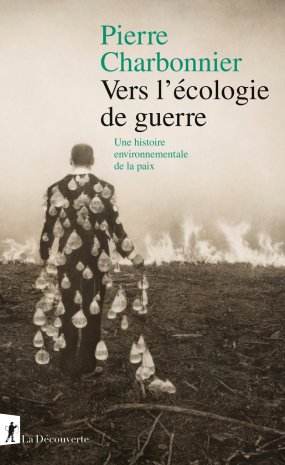
The intensive use of carbon energies has brought prosperity, particularly since 1945, along with relatively peaceful international relations. Decarbonation makes it necessary, according to Pierre Charbonnier, to invent a new form of geopolitics.
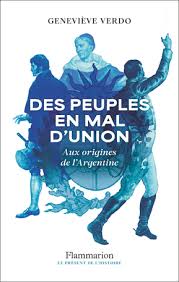
Could Argentina, instead of being the modern country we know, have developed into fourteen independent states engaged in never-ending competition? From the “disunited province” of Rio de la Plata to the affirmation of a single nation-state, a new book describes a quest for unity that lasted five decades. Reviewed: Geneviève Verdo, Des peuples en mal d’union. Aux origines de l’Argentine (Peoples without unity: The origins of Argentina) Paris Flammarion, 2025.
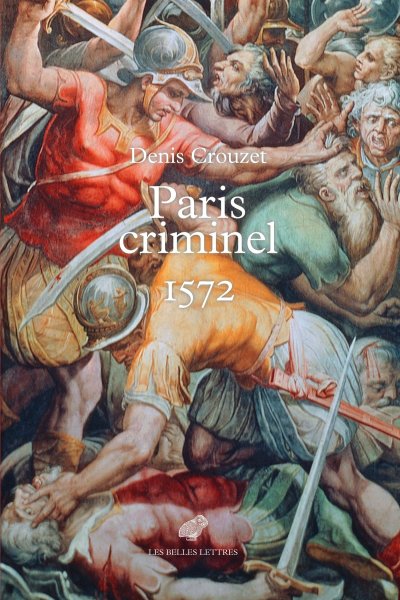
Thirty years after La Nuit de la Saint-Barthélemy (Saint Bartholomew’s Night), Denis Crouzet revisits the massacres of August 1572—a collective purge, a royal enigma, and a popular initiative, which his new book illuminates with bold erudition by reintroducing confessional violence, with all its historical depth, into the story.
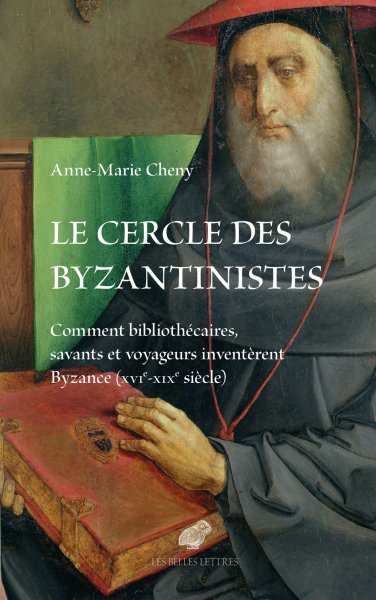
About: Anne-Marie Cheny, Le cercle des byzantinistes. Comment bibliothécaires, savants et voyageurs inventèrent Byzance (XVIe-XIXe siècle), Les Belles Lettres
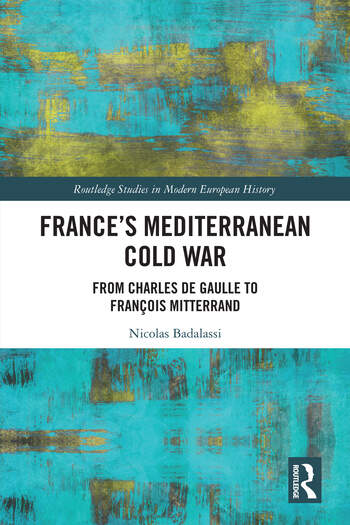
About: Nicolas Badalassi, La France, la guerre froide et la Méditerranée. Des accords d’Évian à la Perestroïka, Presses universitaires de Rennes
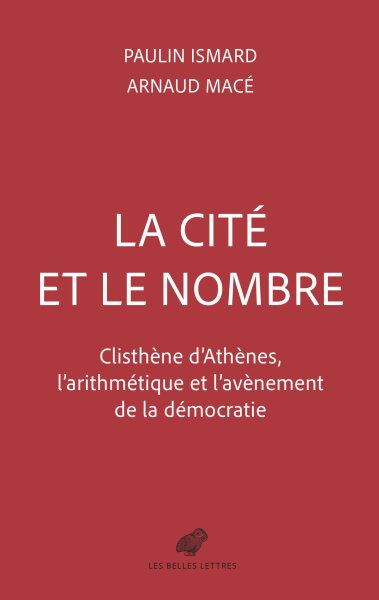
About: Paulin Ismard et Arnaud Macé, La Cité et le nombre. Clisthène d’Athènes, l’arithmétique et l’avènement de la démocratie, Les Belles Lettres
The female silhouette – understood as the body’s visible form and socially perceived appearance – has long been shaped by social norms. In the age of social media, these norms are intensifying, prompting, in response, the rise of so-called “body-positive” movements.
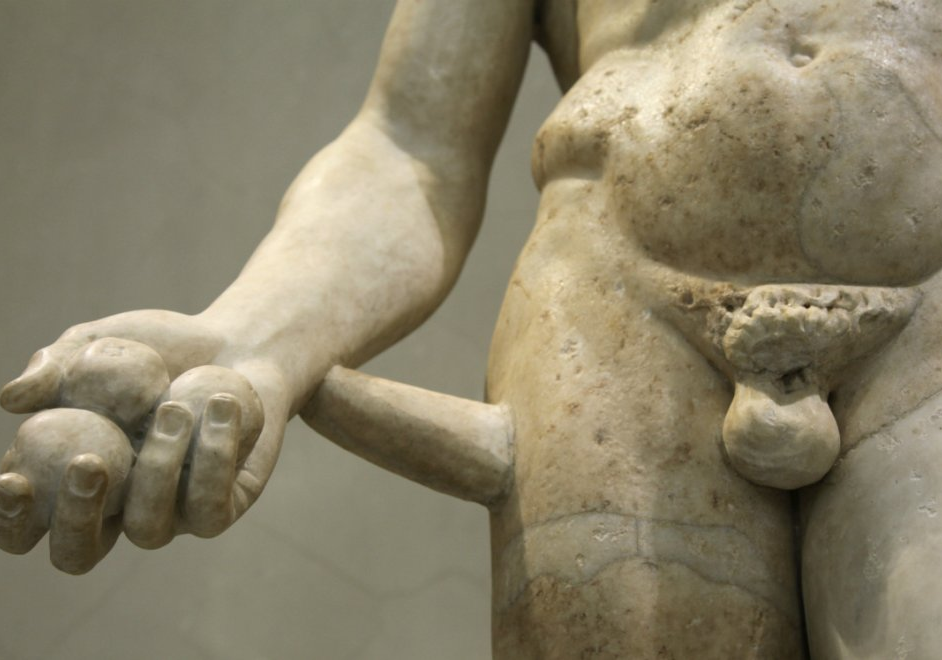
A rumour is circulating in some African countries: the French state is organising penis thefts to offset declining fertility. The rumour, spread by Russian propaganda, has become fake news.
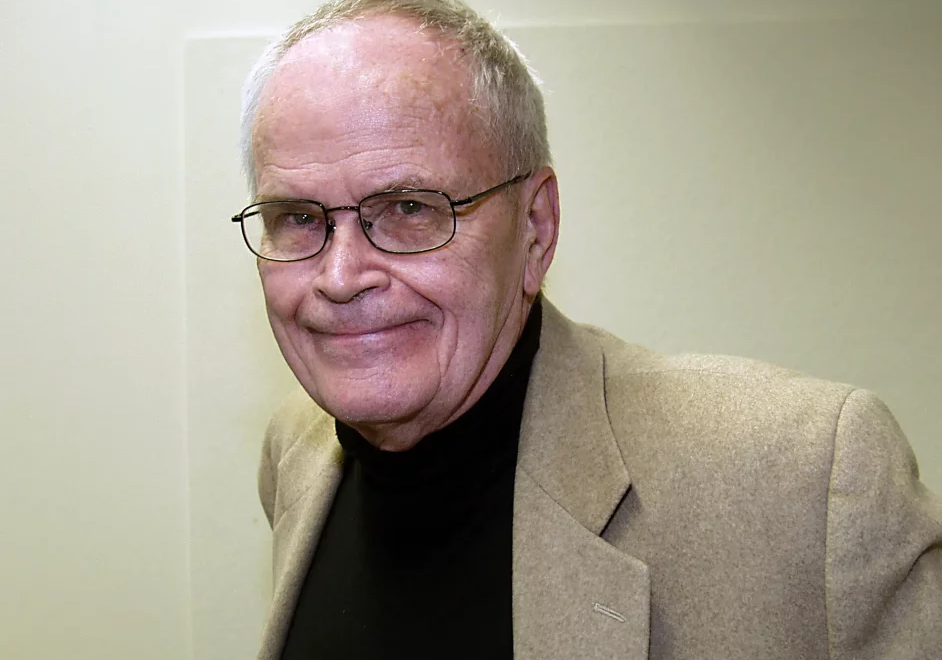
The American sociologist Harrison White made a vital contribution to the development of social network analysis. Besides his work in this field, his theoretical synthesis and his understanding of social formations have influenced a variety of fields such as the sociology of art and economic sociology.
Books & Ideas is slowing down for the summer and will resume its publication schedule on August 26. In the meantime, we present to you a weekly selection of articles published over the last year.
Disasters and the tragedies that they entail accumulate, along with human and social science research trying to grasp the significance of their repetition. The aim of the dossier launched today by Books & Ideas is to comprehend the nature of these studies.
Food is now a conspicuous topic, from culinary blogs to magazines, diet books, TV shows and contests. Yet unbeknownst to many, it often holds an underground, clandestine place in some of social science’s major works. This dossier assesses the current importance of such scholarly endeavors, known as “food studies” in the United States.
Rediscovering an activist thinker who was at the origins of eco-feminism, but remains unknown. Her work inspired an extremely heterogeneous movement, but has her ambition to concretely transform the social, economic and political organisation of society been pursued?
Kenzaburō Ōe, winner of the Nobel Prize in Literature, is a controversial figure in Japan. And rightly so, for there are a great many contradictions in both his fictional and theoretical work. He is a fierce opponent of nuclear weapons and nuclear energy, and yet continues to celebrate the heroism of the soldier who finds glory through sacrifice.
By asserting that structuralism is a fruitful approach to kinship relations or the difference between the sexes, Françoise Héritier radically renewed anthropological methodology. Her life’s work has also shown us that scientific commitment goes hand-in-hand with societal involvement.
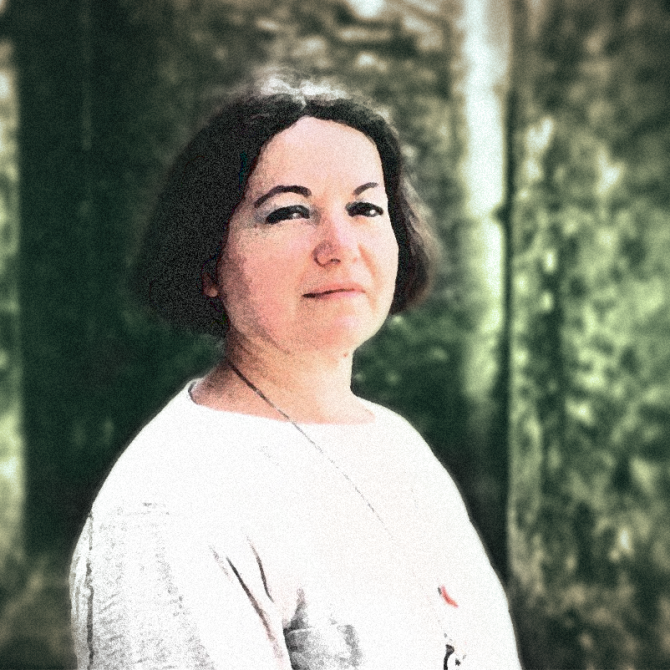
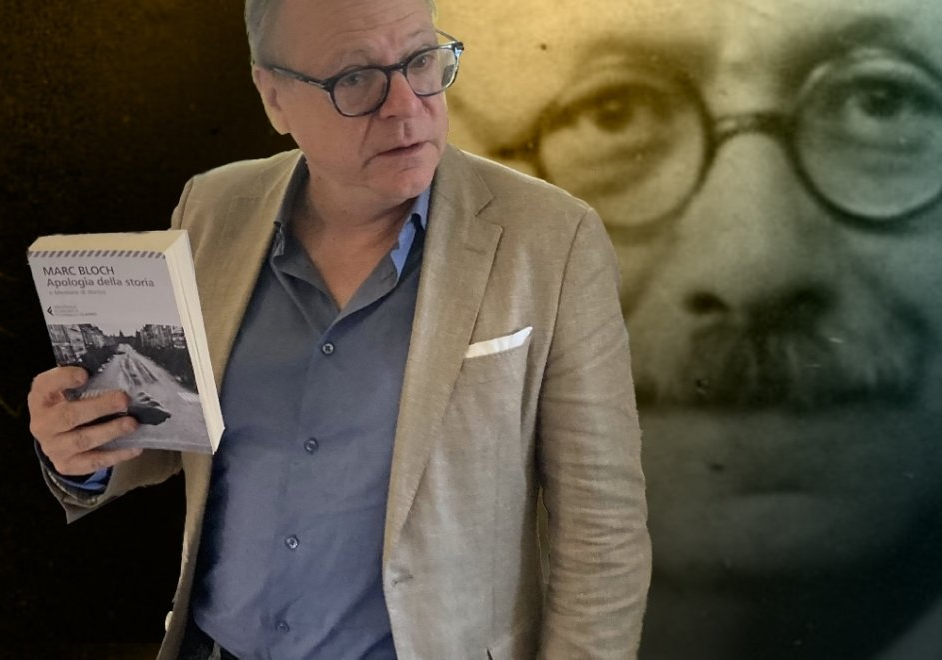
Historien, citoyen, résistant : la figure de Marc Bloch invite à penser le rôle public des sciences sociales. À l’occasion de sa panthéonisation, Patrick Boucheron éclaire une vie consacrée à la recherche historique au service de la société, où la rigueur érudite se confond avec l’exigence de liberté.
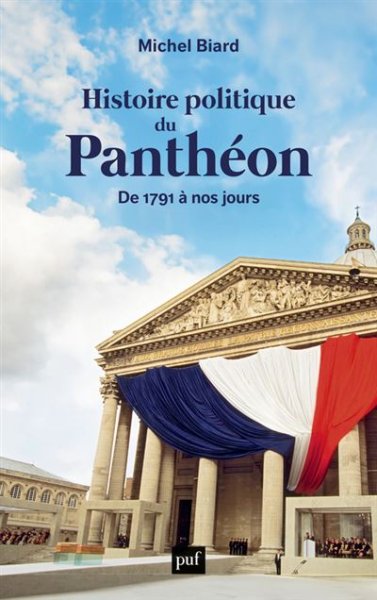
Qui la nation choisit-elle d’honorer, et selon quelles modalités ? Des révolutionnaires aux héros ordinaires, deux siècles de panthéonisations révèlent les usages politiques de la mémoire, les conflits idéologiques et les valeurs que les pouvoirs successifs ont entendu consacrer.
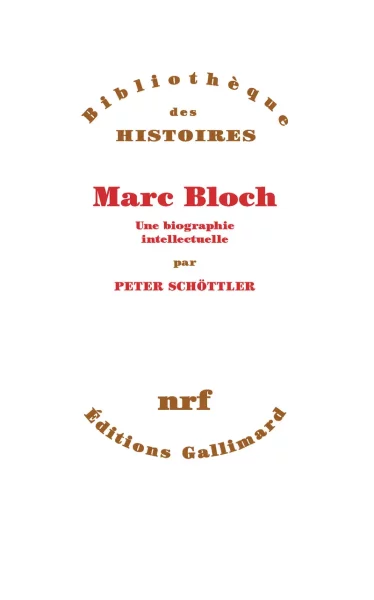
Ni saint laïque ni héros national : l’œuvre historienne comme les relations personnelles de Marc Bloch révèlent un homme aux multiples facettes et aux engagements constants. Un portrait total, au-delà de l’image figée des cérémonies républicaines.
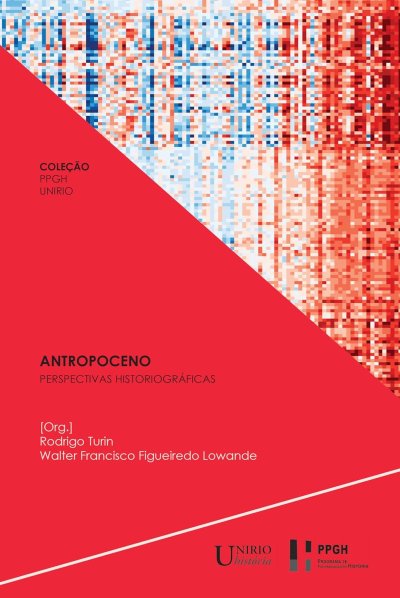
Rodrigo Turin et Walter Francisco Figueiredo Lowande (dir.), Antropoceno. Perspectivas historiográficas, Rio de Janeiro, Nau Editora
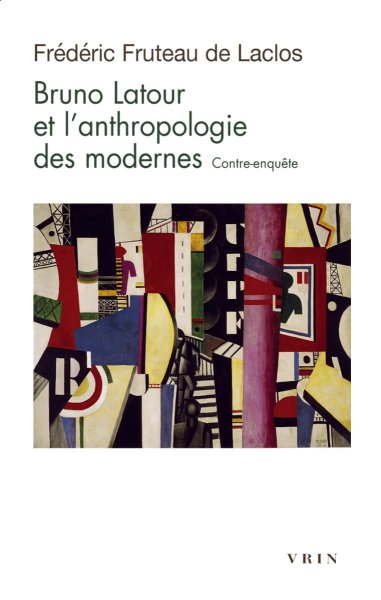
À propos de : Frédéric Fruteau de Laclos, Bruno Latour et l’anthropologie des modernes. Contre-enquête, Vrin
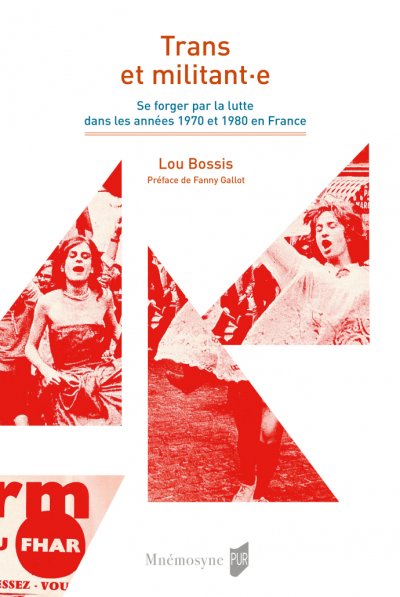
À propos de : Lou Bossis, Trans et militant.e.s. Se forger par la lutte dans les années 1970 et 1980 en France, Presses Universitaires de Rennes