Books & Ideas is the English-language mirror website of La Vie des Idées, a free online journal which has gained a large readership and established itself in France as a major place for intellectual debate since 2007.
Long the subject of myth, Pius XII’s attitude towards the Holocaust and Jewish persecution can now be evaluated with the help of the archives. Nina Valbousquet makes a convincing case: the issue was not impartiality, but tepidness.
As multilateral cooperation is increasingly under attack, Katerina Linos challenges certain misperceptions about the role of international institutions, particularly the European Union, and emphasizes their capacity for action in times of multiple crises.
Since the two World Wars, the victim has been raised to the status of a sacred and predominant figure in historical memory. The victim has become the new figure of the hero, thus setting a new and controversial example.
Why do we believe that our societies are freer, more prosperous or more democratic thanks to the institution of private property rather than in spite of it?
About: Constance Rimlinger, Féministes des champs. Du retour à la terre à l’écologie queer, Presses universitaires de France
About: Christine Détrez, Crush. Fragments du nouveau discours amoureux, Flammarion
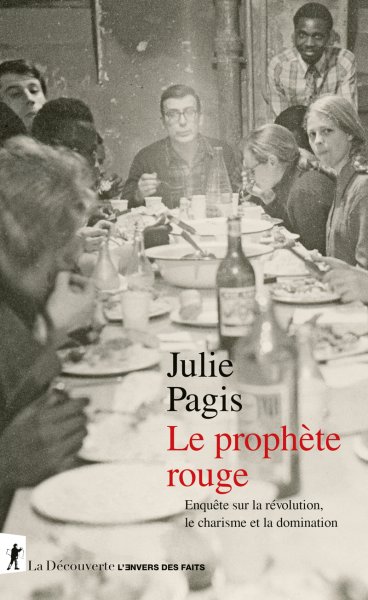
About : Julie Pagis, Le prophète rouge, La Découverte
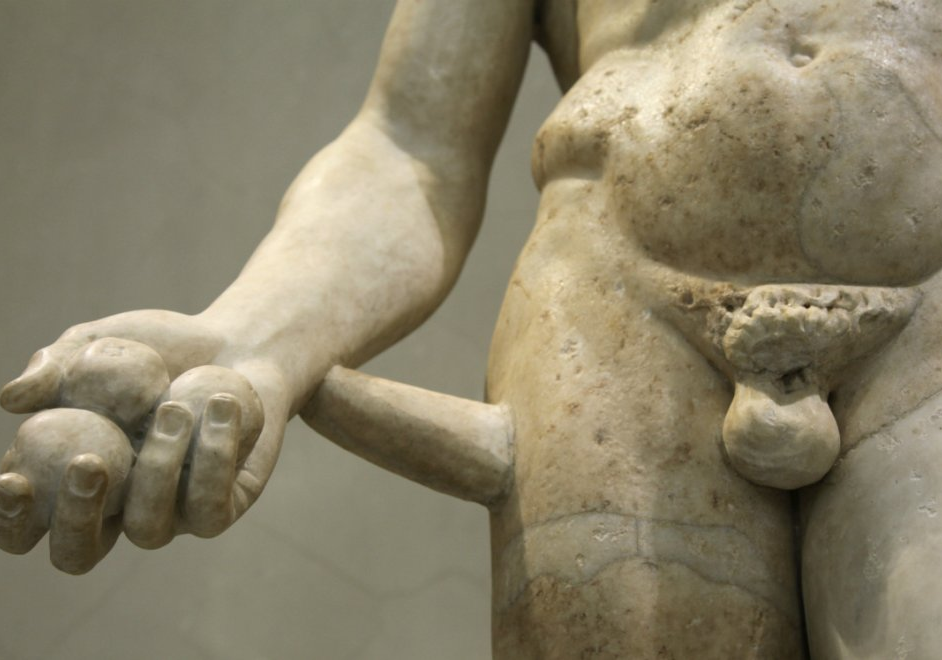
A rumour is circulating in some African countries: the French state is organising penis thefts to offset declining fertility. The rumour, spread by Russian propaganda, has become fake news.
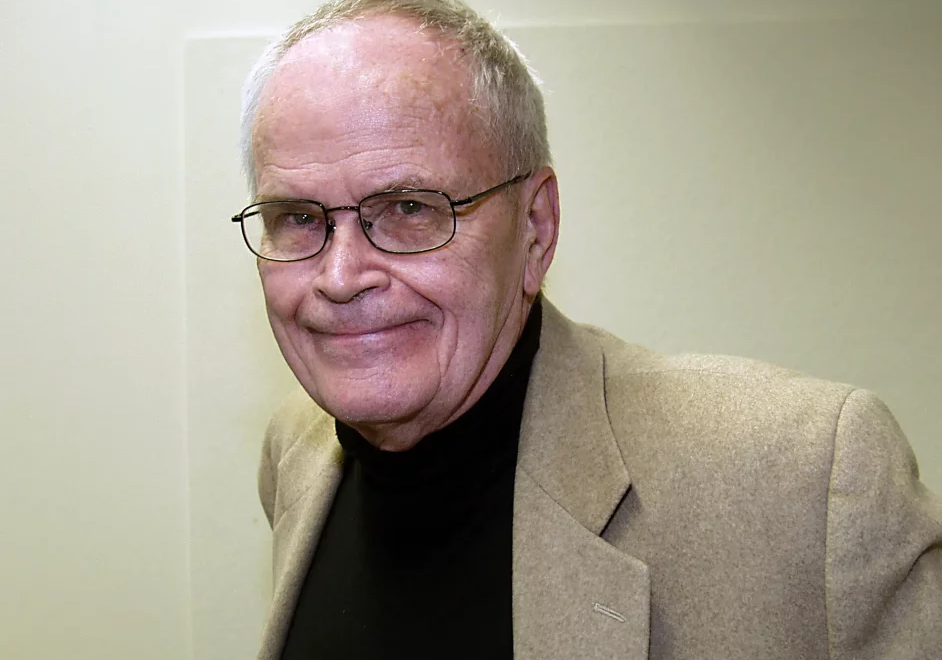
The American sociologist Harrison White made a vital contribution to the development of social network analysis. Besides his work in this field, his theoretical synthesis and his understanding of social formations have influenced a variety of fields such as the sociology of art and economic sociology.
Ukraine’s water networks have been mobilized since the start of the war in 2014. Infrastructure workers are some of the last to leave settlements attacked by the Russian army. Water systems and people are resisting but are reaching the limits of their capacity to adapt to violence and disruptions.
As protests against racism break out all over the world following the murder of George Floyd, Books & Ideas gathers a selection of texts examining the history of these multifaceted discriminations and of the struggles for racial justice.
Is it really the case, as is often alleged, that money decides everything about elections? As the US presidential election is looming, La Vie des idées/Books & Ideas and Public Books team up to examine the influence of money in today’s electoral democracies.
Food is now a conspicuous topic, from culinary blogs to magazines, diet books, TV shows and contests. Yet unbeknownst to many, it often holds an underground, clandestine place in some of social science’s major works. This dossier assesses the current importance of such scholarly endeavors, known as “food studies” in the United States.
Richard Hoggart (1918-2014), a poor child who went onto become a university professor, was the epitome of a successful scholarship student. The trajectory of this “exemplary counter-example” sheds light on the mechanisms of social reproduction when they prove inoperative and the distance that can be traveled from one’s native milieu.
What distinguishes a blank canvas from an empty frame? A simple object from a readymade? What is this mysterious gap that art digs as it separates from life? Such are the questions posed by Arthur Danto, a major figure of contemporary art theory.
Miguel Abensour profoundly renewed thinking about democracy. His political philosophy paid close attention to the desire for emancipation and was based on an original conception of utopia breaking with the mythology of the ‘ideal city’ or of a ‘good society’.
L’adoption du mode de scrutin proportionnel apparaît aujourd’hui, selon deux politistes, comme une condition nécessaire pour redonner à la démocratie française la capacité de renouer avec des gouvernements représentatifs, stables et opérationnels.
Les minorités peinent souvent à faire reconnaître les savoirs qui leur sont propres, ou même les transmettre. Aux injustices sociales et raciales s’ajoutent ainsi des injustices épistémiques, contre lesquelles il faut également lutter.
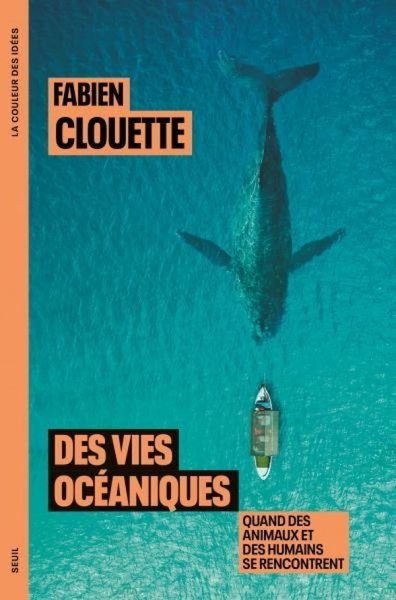
Les espaces marins étudiés par l’anthropologue Fabien Clouette montrent comment l’humain et l’animal cohabitent. Ce dernier est alors tantôt renvoyé à sa nature sauvage, tantôt à des caractéristiques anthropomorphisées.
À propos de : Par inadvertance. La « cuillère humaine » de Fernand Deligny, L’Arachnéen
À propos de : Patrick Geary, Comment la génétique réécrit l’histoire du Moyen Âge, CNRS éditions