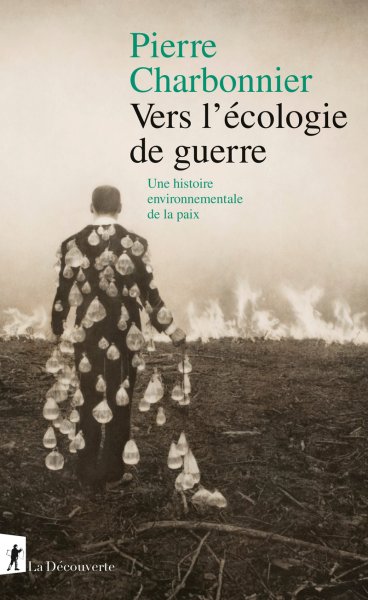
The intensive use of carbon energies has brought prosperity, particularly since 1945, along with relatively peaceful international relations. Decarbonation makes it necessary, according to Pierre Charbonnier, to invent a new form of geopolitics.
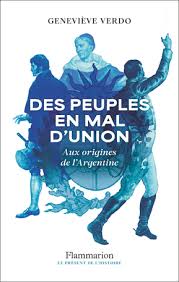
Could Argentina, instead of being the modern country we know, have developed into fourteen independent states engaged in never-ending competition? From the “disunited province” of Rio de la Plata to the affirmation of a single nation-state, a new book describes a quest for unity that lasted five decades.
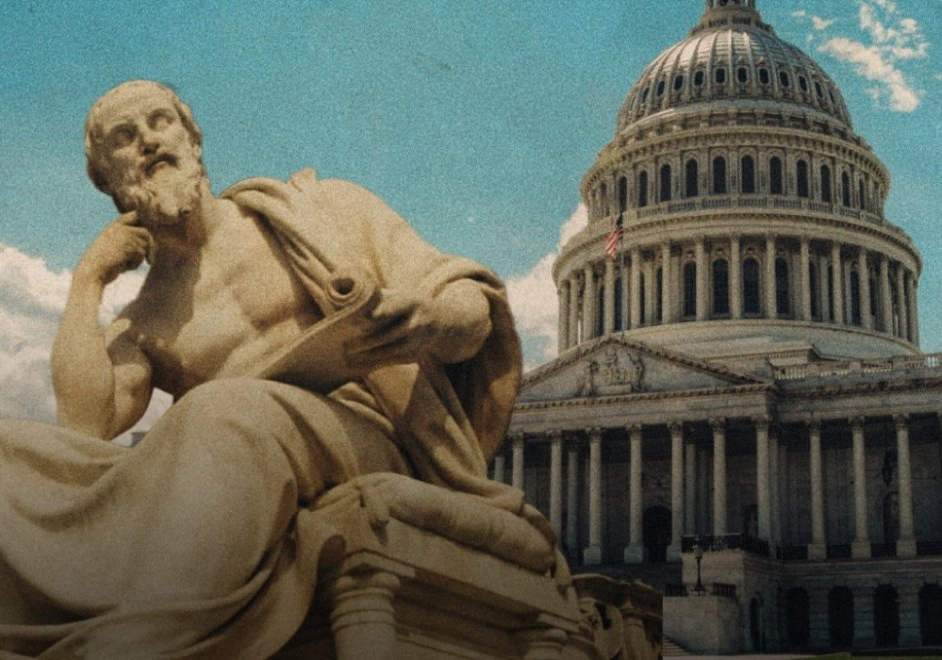
Not only in Texas, where a professor was ordered to remove Plato from his syllabus, but throughout the United States, ideological dictatorship has begun. It amounts to nothing less than an attack on universities, the freedom of speech, and thought. How is it possible to resist in the face of this onslaught?
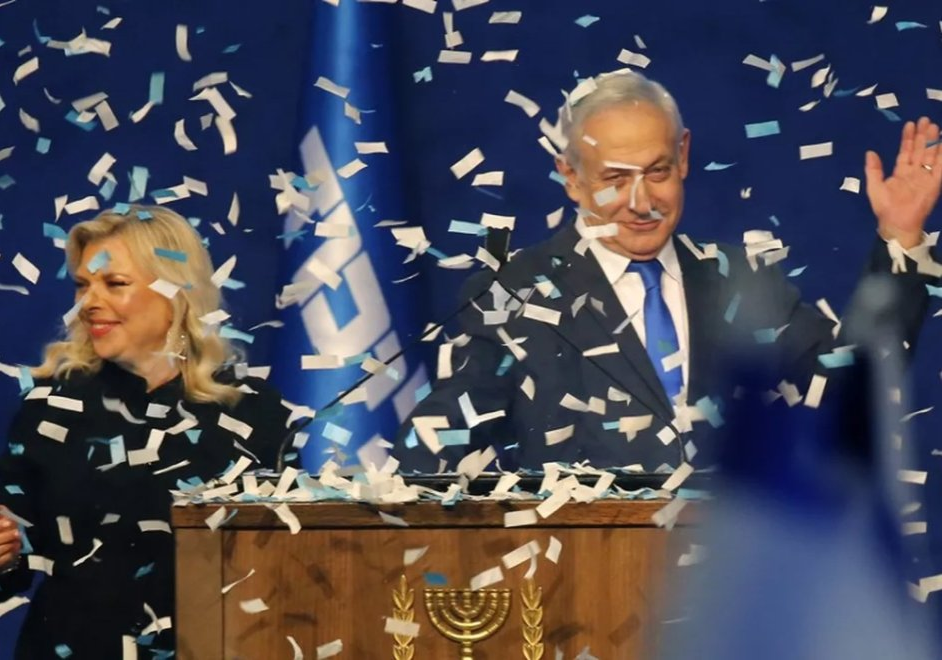
In their recent research about Israeli politics, Noam Gidron and his coauthors explore the country’s affective polarization, the support for the judicial overhaul, Likud’s populism, and the relations between them.
As multilateral cooperation is increasingly under attack, Katerina Linos challenges certain misperceptions about the role of international institutions, particularly the European Union, and emphasizes their capacity for action in times of multiple crises.
Laurent Coumel has written a wonderful essay on the social history of the late Soviet Union. He shows how Soviet society was subject to the same dynamics as western European society: the rise of individualism, leisure, and the desire for comfort.
According to Thomas Blom Hansen, Indian cities have become spaces of exclusion, fear, and sharpened enmity. He describes how Muslims are victims of an entanglement of communal violence, state complicity, and systemic discrimination.
A rumour is circulating in some African countries: the French state is organising penis thefts to offset declining fertility. The rumour, spread by Russian propaganda, has become fake news.
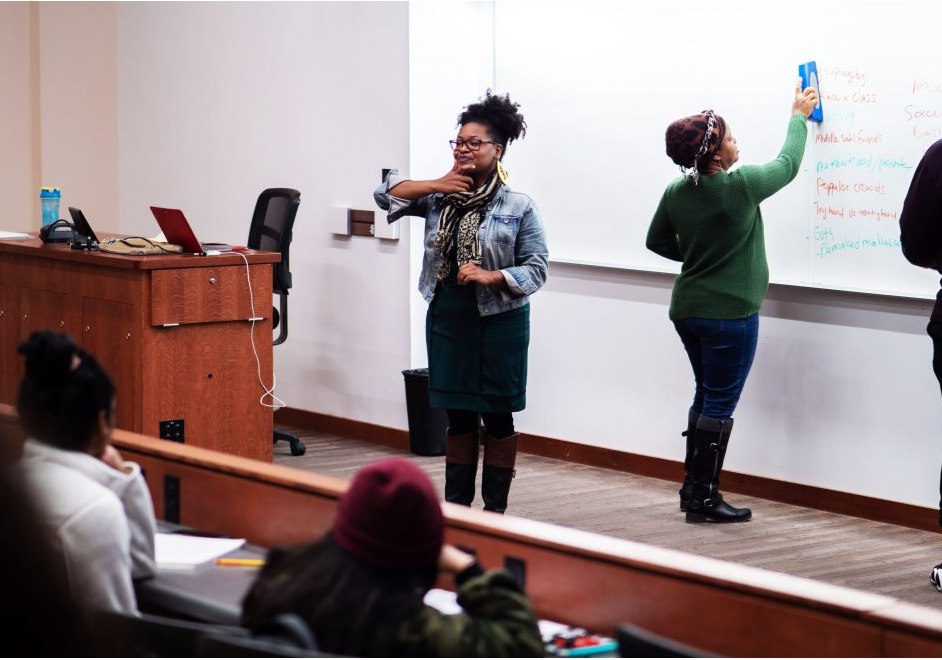
As a professor of education, Bianca Baldridge highlights the importance of extracurricular programs for young people, and the lack of social recognition enjoyed by community-based educators.
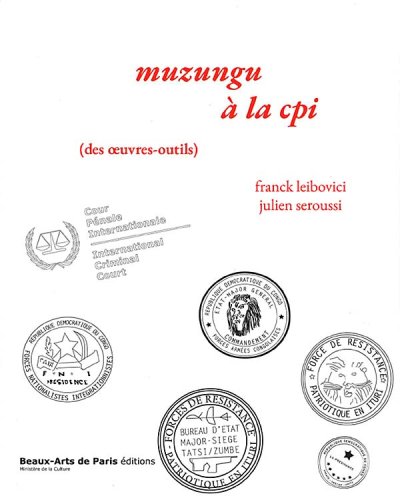
International Criminal Court judges process hundreds of pieces of evidence before rendering their verdict. Artwork-tools cut through the maze of data, providing an essential artistic and visual support for the administration of justice.
What does it mean to “decolonize knowledge”? What is the difference between “anticolonial,” “postcolonial,” and “decolonial”? To address the semantic confusion surrounding the term “decolonial,” Lissell Quiroz and Philippe Colin propose a genealogy of this current of thought, which emerged in Latin America in the 1990s.
“Excited delirium” is a diagnosis that was used to absolve police officers of responsibility for the deaths of Black and Brown men. For decades, it was legitimized by a network of forensic pathologists, law enforcement agencies, and private companies that sustained this pseudoscience.
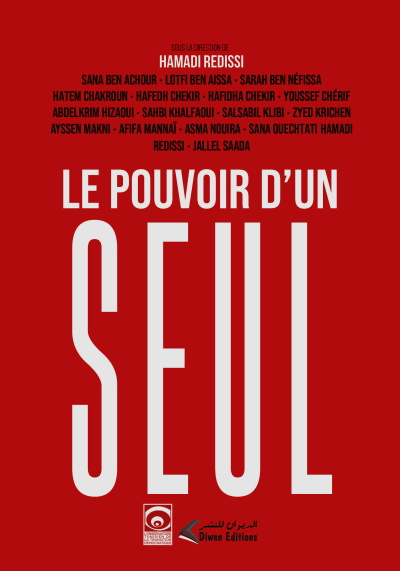
How should we characterize the regime of Tunisian President Kais Saied since his 2021 power grab? To get a sense of what is happening “inside the country,” an edited volume provides an informed and engaged interpretation of the situation.
To achieve energy transition, we will need to extract as much metal in the next 20 years as we have done in the entire history of mankind. This is ‘one of the great paradoxes of our times’.
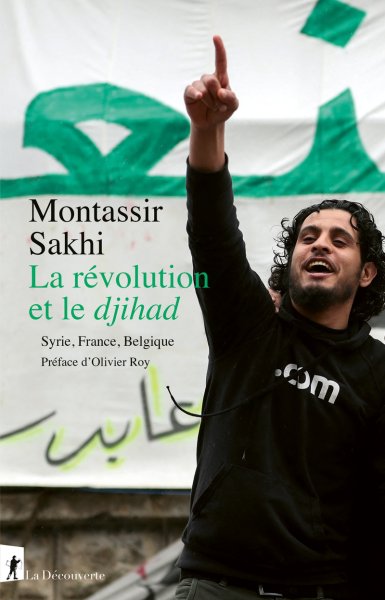
Why did 5,000 Europeans join the jihad in Syria? The volunteers who left between 2011 and 2014 displayed a form of religious solidarity and a desire for revolution, which were later exploited by Daesh.
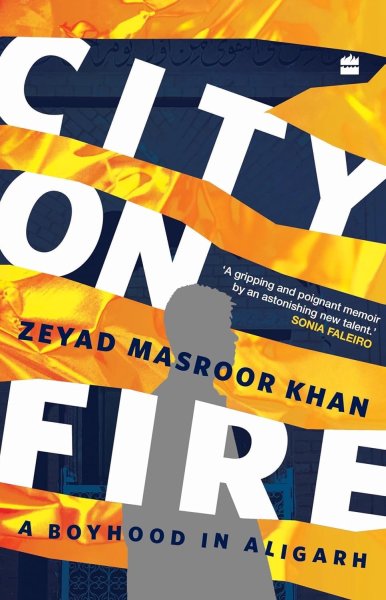
What constitutes a ghetto? Zeyad Masroor Khan offers an intimate portrayal of life in a marginalized neighbourhood shaped by persistent communal violence. Writing from Aligarh in North India, he vividly describes the spatial, social, and emotional dimensions of the ghetto.
Lawyer, feminist activist and a prominent figure of the Syrian opposition, Dima Moussa advocates for an inclusive political transition, the establishment of genuine democratic institutions, and the necessity of a national debate open to all components of Syrian society.
Ukraine’s water networks have been mobilized since the start of the war in 2014. Infrastructure workers are some of the last to leave settlements attacked by the Russian army. Water systems and people are resisting but are reaching the limits of their capacity to adapt to violence and disruptions.
Maritime spaces are the focus of the major economic, ecological, and geopolitical challenges of our time. Lest they become the site of routine legal violations (ranging from pollution to overfishing), a government of the seas is necessary.
‘Prevent disorder’ is the motto of Russian power, justifying all forms of repression and establishing a partly decentralized system of domination through fear at the hands of local mobs.
The hood-wearing entrepreneurs of Silicon Valley are workers subject to often fierce competition. Inequalities abound in the world of innovation.
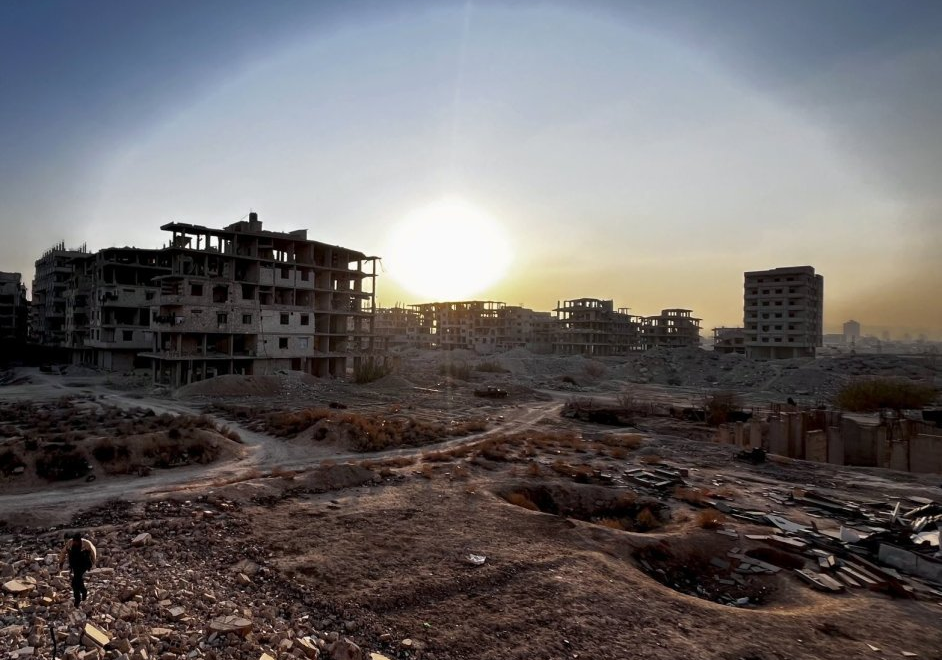
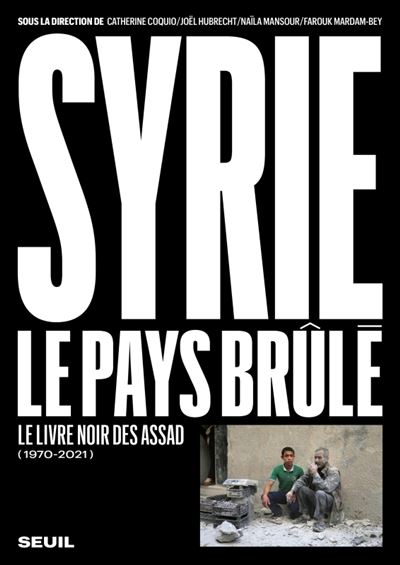
Arrests, torture, massacres: the Assad clan has been tormenting the Syrian people for the past 50 years. This major collective work provides conclusive evidence of the violence to which Europe turns a blind eye.
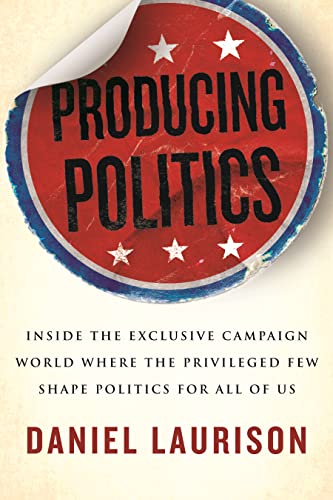
Opening the doors to the backstage of political campaigns, Daniel Laurison invites us to take a closer look at the work of politicos who have played critical roles in presidential elections in the United States.
The EU aims for net climate neutrality by 2050, utilizing the Emission Trading Scheme (ETS) as its main tool. But the climate crisis demands more than market mechanisms. It requires comprehensive planning and legal frameworks that prioritize public over private interests.
What if human lives actually do have a price tag? Ariel Colonomos analyses the social and political conditions of pricing practices for human lives, offering an innovative interpretation of the role of the state in modern European history.
The destructive potential of nuclear weapons makes states “responsible” and helps stave off a Third World War; the process of triggering the bomb is controlled; proliferation must be avoided, but our nuclear arsenal must be modernized. If we are to dispel the myths surrounding nuclear weapons, a debate is needed.
Right to a healthy environment, rights of nature or of non-human animals: can environmental rights serve the cause of environmentalism? Legal expert Diane Roman analyses the pathways towards the jurisdictional enforcement of these new rights, and highlights the progress they have made, as well as their limitations.
Quotas in India contribute to the emancipation of lower castes while producing perverse effects that are difficult to control. Rohini Somanathan questions the right balance between targeted positive discrimination policies and public policies with a universal vocation.
At a time when simplistic representations of Africa’s role in international relations are being perpetuated, Sonia Le Gouriellec’s book provides a review of the main studies on the place of the continent in the global arena from past to present.
Between 2006 and 2021, the war on drugs left almost 300,000 dead and 100,000 missing in Mexico. Instead of presenting a romanticized account of drug trafficking and drug barons, Adèle Blazquez analyses the conditions of life in a rural municipality affected by armed violence.
What traces have colonial enterprises left behind? By confronting the public history of colonialism in the United Kingdom and Zimbabwe with that of his own family, Simukai Chigudu reveals the repressed part of the colonial legacy and how it continues to fuel the cycle of violence.
How can one explain the longevity of the Moroccan monarchy? In their long-term study of the imaginary of the Moroccan state, Béatrice Hibou and Mohamed Tozy argue that it is due to the regime’s ability to adapt its dual—imperial and national—logic to the realities of the neoliberal age.
While mental health is usually assessed using objective health indicators, these measurements fail to address the intricate impact of persistent violence on Palestinians’ lives.
The growing number of legal cases concerning climate inaction marks another step in the fight to protect the environment. What are these cases? Who are the accused? Are their effects only symbolic?
C. Schmoll invites us to feminize our view of migration towards Europe. Public migration policies select women according to frequently incompatible principles of morality, vulnerability and utility, and determine the positions that they will come to occupy in our societies.
Jean-Marc Ferry tries to determine the conditions for the implementation of Europe’s philosophical principle: the realization of the cosmopolitical hypothesis. But the well-ordered co-sovereignty that results from it struggles to convince us of its ability to resolve contradictions and make political Europe a reality.
By retracing the history of Ofpra (the French Office for the Protection of Refugees and Stateless Persons), Karen Akoka shows that the reception of migrants in France is based on a tacit distinction between “good” political refugees and “bad” economic migrants.
What remains of the Arab Spring? By gathering diverse and heterogeneous material related to the uprisings and analyzing circulation and transformation dynamics at a transnational level, this edited volume uses archives to rethink both the memory and contemporary significance of the revolutions.
The United States is no longer modernity’s driving force and primary symbol. American cultural imperialism is coming to an end. What better time to recall that American culture, which is as reviled as it is adulated, is itself the result of countless mestizajes - as is the rest of the continent.
In 1947, Princess Elizabeth promised to serve ‘the great imperial family’, as part of the attempt to remake post-war Britain as a global power. The British Empire collapsed; but this language of service and Commonwealth allowed the Queen to take up the postcolonial concerns of the 21st century.