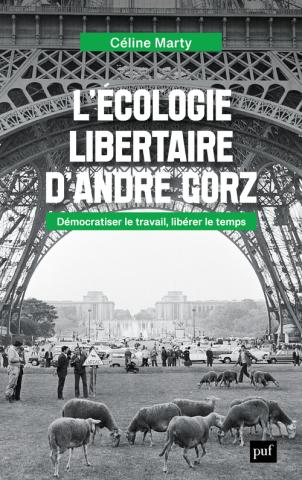
Céline Marty offers an in-depth interpretation and contextualization of André Gorz’s philosophical oeuvre. Through a careful examination of his vision of a society of subjects that are truly autonomous—in work as in life—she sheds light on the coherence and radicalness of this highly original form of ecosocialism.
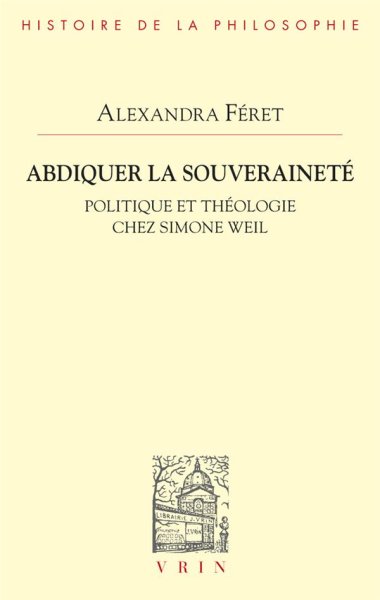
How does justice vanquish force? Simone Weil’s thought unifies politics and religion while proposing a radical conception of power, understood not as domination but as retreat, in a world in which violence gives way to obedience.
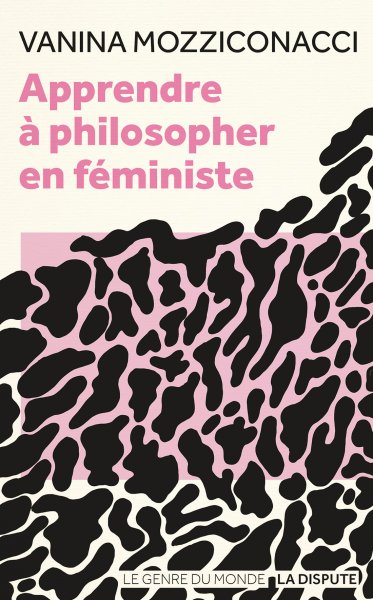
Can one philosophize as a feminist when the history of philosophy is so gendered? Yes—but this requires paying close attention to the positions that traverse and often constitute it.
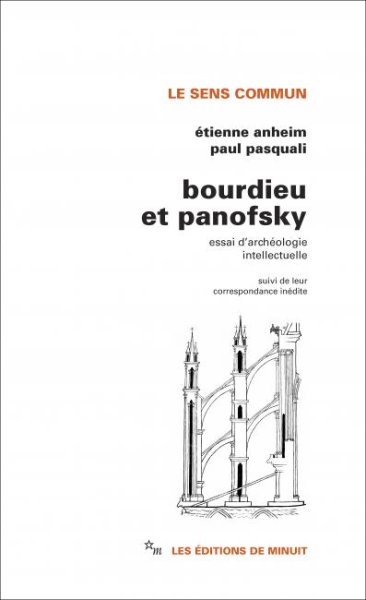
Étienne Anheim and Paul Pasquali examine a key moment in interdisciplinary dialogue: Pierre Bourdieu’s translation and editing of the art historian Erwin Panofsky.
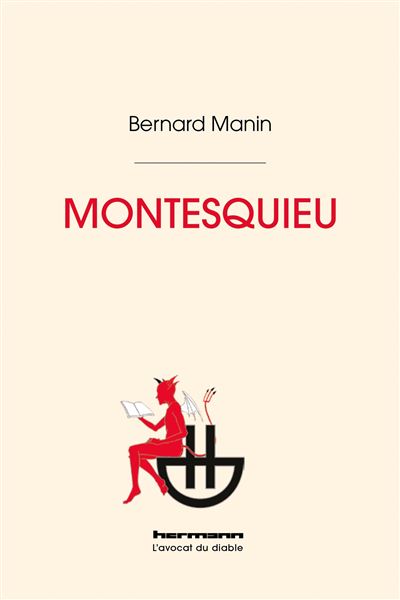
Bernard Manin sees Montesquieu as a political philosopher who was attentive to the plurality of political forms and the way that such pluralism can, in moderate regimes, prevent the abuse of power. This is why it is important, he explains, to keep reading this Enlightenment philosopher.
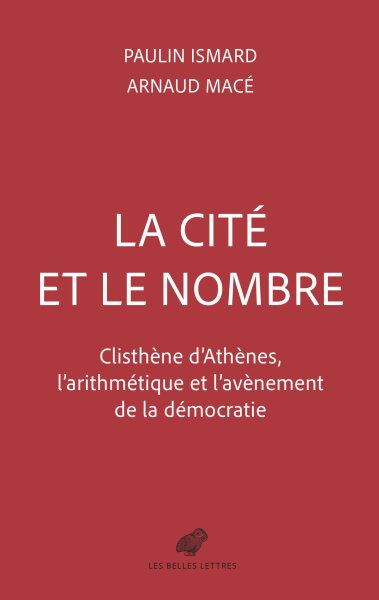
What is the nature of the distinctive rationality that underpins Cleisthenes’ reform, which many see as the birth of Greek democracy? What social mechanisms, civic experiences, and forms of vernacular knowledge made this new system of political organization possible?
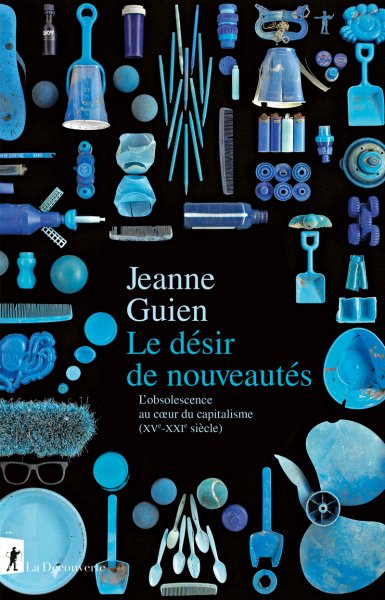
The love for newness did not begin with modern consumer society. It has long been capitalism’s primary engine and has been central to how it imagines the market. At present, its environmental impact is disastrous.
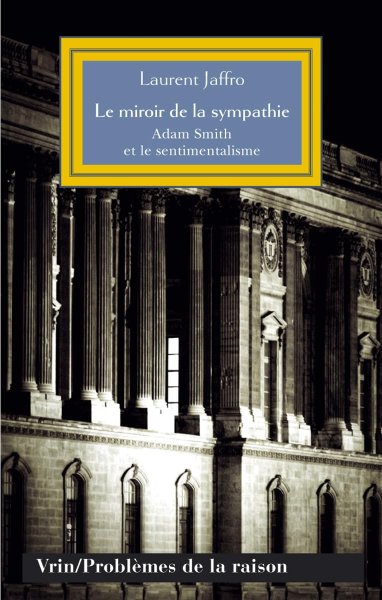
Can morality be grounded in the sense of sympathy? According to Adam Smith, sympathy with the sentiments of others is precisely what allows for self-command, a cardinal virtue that enables us to act from a sense of duty.
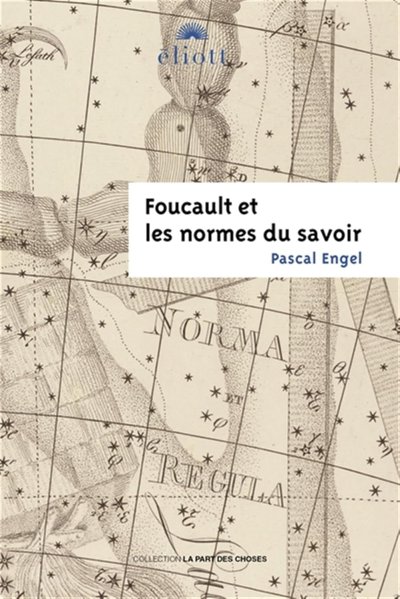
Is Foucault’s genealogy concerned with the will to truth or with truth itself? According to Pascal Engel, in maintaining the ambiguity between the two, Foucault ignored the norms of knowledge as an essential source of emancipation.
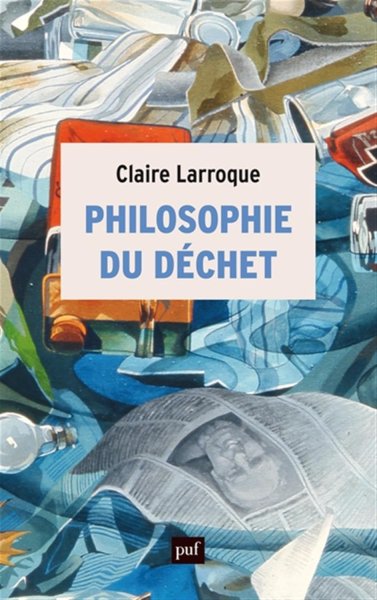
We would rather not see or even think about our waste, but it has a lot to tell us about our habits, our lives, and more importantly, about what we are doing to our world today.
Marx misunderstood Proudhon: he criticized him for neglecting the relations of production, when in fact the French anarchist was interested in the political subjugation that, in his view, private property inevitably causes.
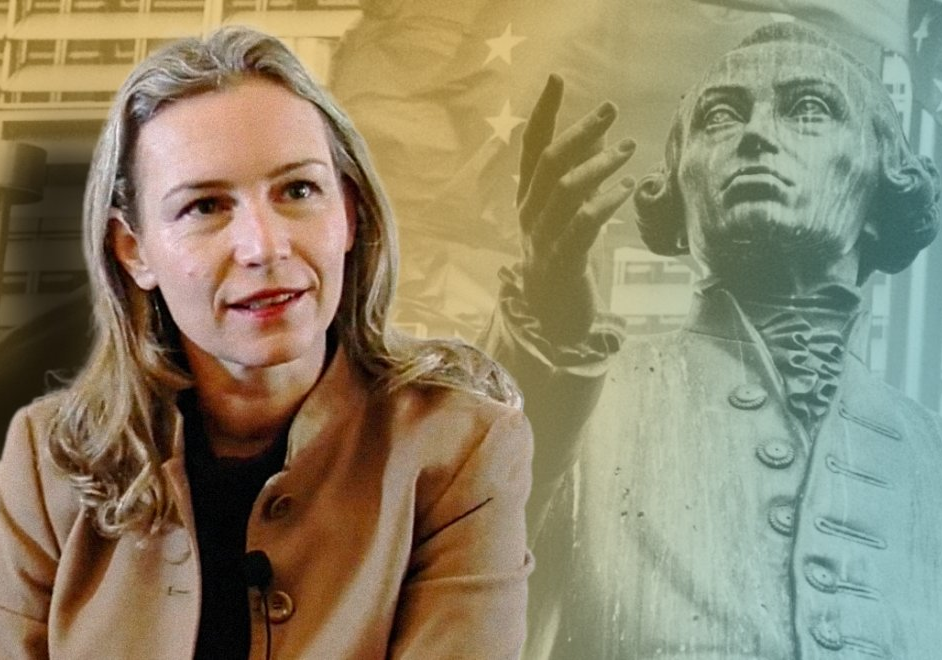
How can we move beyond the double deadlock of state socialism and market capitalism? For Lea Ypi, returning to Kant and the Enlightenment offers a perspective to provide a new ground to freedom as social responsibility, and to open up towards a cosmopolitan horizon against the authoritarianism of profit.
Popular sovereignty and the rule of law are inseparable: the idea that there could be “illiberal democracies” is groundless and plays into the hands of populists.
Primitive societies, Lévy-Bruhl explains, are on the lookout for signs of catastrophes, though they are unpredictable. Since we, too, are in a constant state of alert, this insight should inspire us.
Can Nietzsche be considered a social thinker? Straddling social critique and critique of the social, French and German interpretive traditions that embrace Nietzsche make it necessary to revise the hasty conclusions of Marxists and anti-postmodernists.
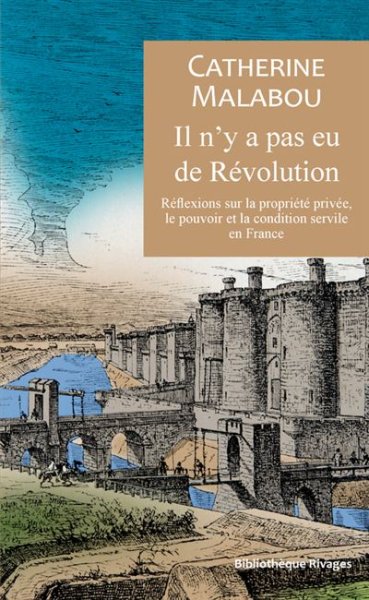
Why do we believe that our societies are freer, more prosperous or more democratic thanks to the institution of private property rather than in spite of it?
The “ardor of pillagers” refers to the momentum driving the depletion of life, which is outlined by Hicham-Stéphane Afeissa in his new book, drawing on the entire field of ecological thought.
The separation of church and state is a principle that is often difficult to apply. In some cases, a delicate balance must be struck between religious freedom and equality.
Are we responsible for our own health? Yes, according to advocates of liberal public policy. Yet this position fails to acknowledge social inequality’s serious pathogenic effects.
How can we reconcile the working classes with ecology? By reminding ecologists of the need to address together production and consumption. Doing so would lead to the constitution of “biocommunism,” the fundamental concepts of which are outlined by Paul Guillibert.
Marginal and maladjusted childhood (which includes orphans, vagabonds, and delinquents) has a history. While the concept has been condemned, it has also been studied extensively and resulted in institutions designed to deal with it.
What bitter knowledge travel brings! In fact, why travel at all? And can we inhabit the world while journeying through it?
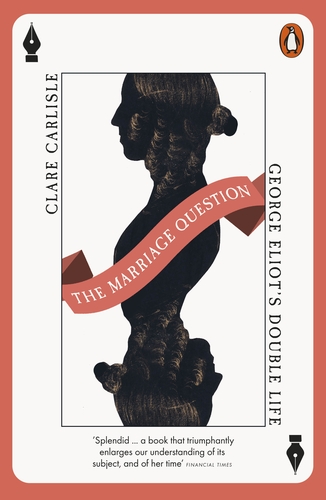
The “double life” of the great English novelist George Eliot combines the literary field with the experience of marriage. Her works form the crucible for reflections on love, social norms and freedom.
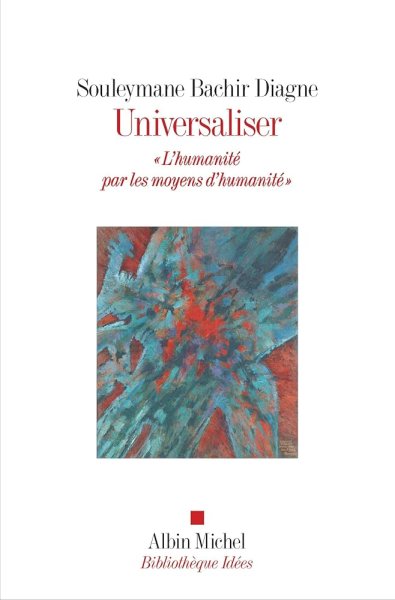
We need to rebuild universalism, not as an overarching model to be applied to all regions of the world, but on the basis of their own singularity—laterally, not from above.
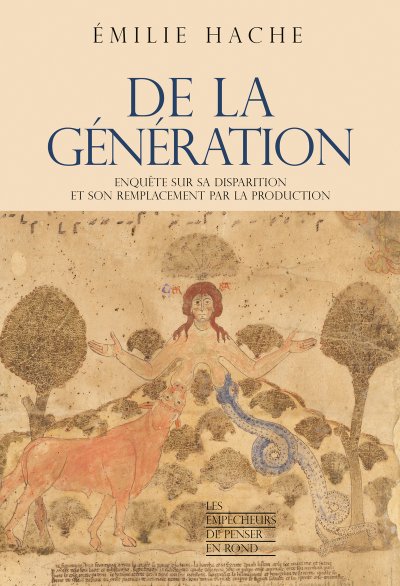
Christianity is based on an egalitarian indifference to sexual difference, but in practice treats women very unequally. God the father has replaced the pagan idea of the Earth Mother, who celebrates humanity’s shared belonging to Gaia.
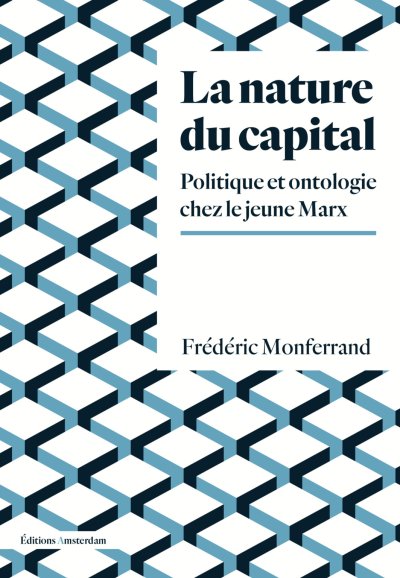
According to Frédéric Monferrand, Marx considers capitalism as a vast effort to put nature to work. This includes human bodies, as well as non-human environments. Monferrand outlines a “historical naturalism,” demonstrating its political and ecological relevance.
Few ancient authors had a discourse on slavery. Even so, many spoke about it, often indirectly or between the lines, either to criticize or justify it.
It is hard to do without the concept of exploitation when describing the many forms of injustice created by capitalism. Marx remains very much our contemporary.
The life and work of Antonio Gramsci are inseparable. To grasp the coherence and theoretical depth of the Prison Notebooks, one must read them in the context in which they were written.
Faced with the risk of losing man to the self, Pierre Guenancia says that we should abandon the self to rediscover man.
Hayek always presented his reconstruction of liberalism as a utopia, based on the idea of a spontaneous, self-regulating social order, against the chimera of social justice.
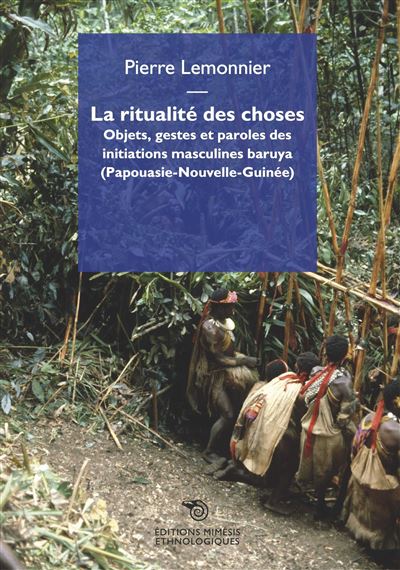
In the tradition of Marcel Mauss, Pierre Lemonnier examines the male initiation rites of the Baruya of New Guinea not in terms of the signifier that can be attached to them, but rather the action on matter that they make possible.
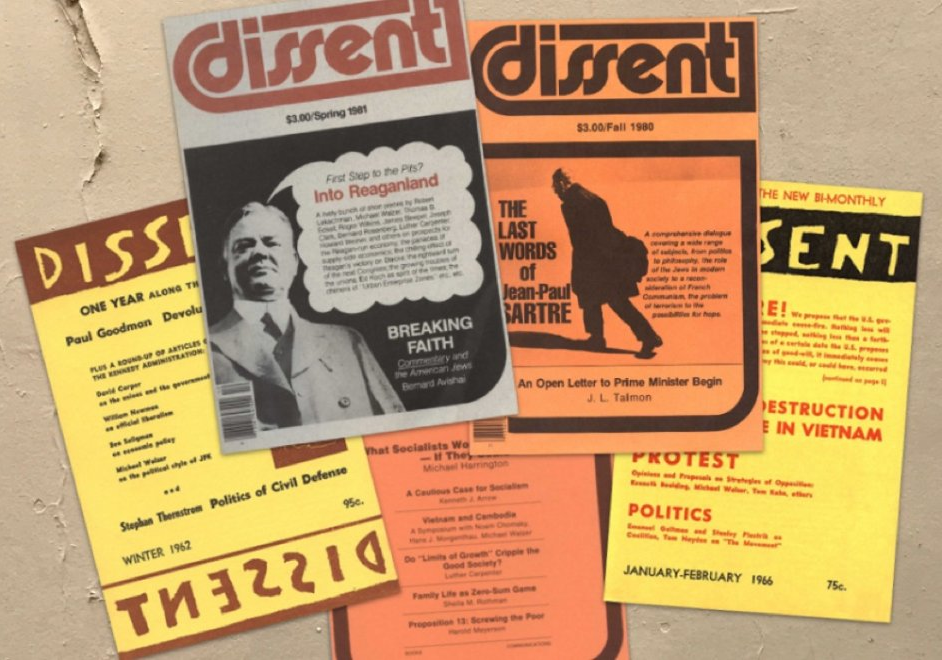
In this recent interview, Walzer reflects on his life of political commitment. From the creation of Dissent to the publication of the acclaimed Spheres of Justice, here is the journey of one of the most influential political theorists of the XXth century.
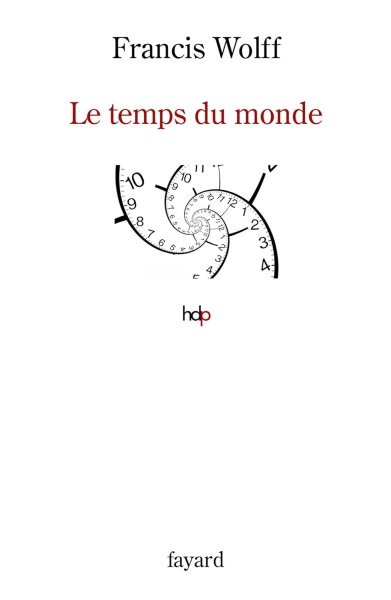
Time is the hardest thing for us to understand, as we cannot be sure whether it exists in and of itself, or whether it can even be defined. This is an age-old conundrum, but Francis Wolff offers a new answer rooted in neither physics nor phenomenology.
Philosophy has something to say about wine: about its definition, how to savor it, what it inspires, but also about the virtues of inebriation.
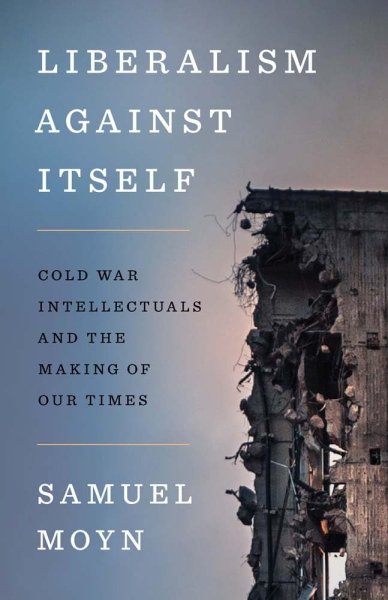
Cold War liberalism is hardly discussed in France, even though its theoretical importance should not be overlooked: its attacks on the welfare state have notably fostered neoconservatism.
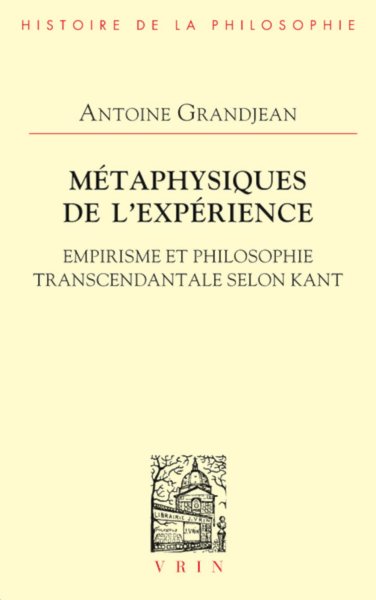
Experience can only lead to knowledge if it is organized by concepts that are not derived from experience. This is the paradox at the heart of Kant’s metaphysics, which Antoine Grandjean gives an entirely new interpretation.
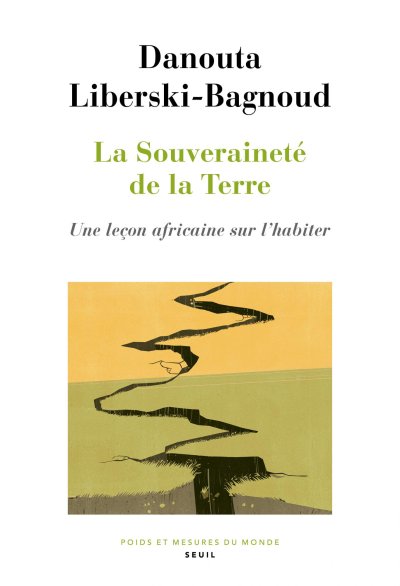
In the Volta region, there is no such thing as land ownership: Land is not traded but shared. Why, then, do our societies consider the right to appropriate land to be perfectly legitimate?
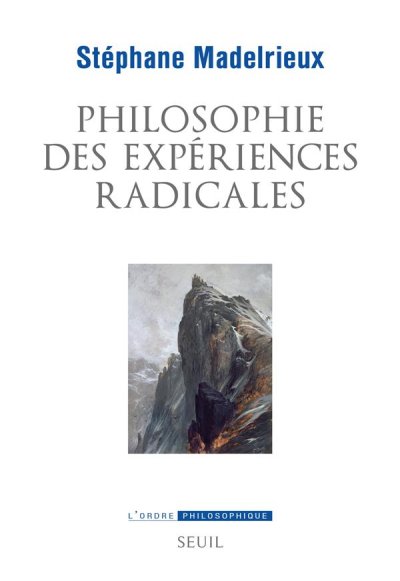
Some exceptional experiences give us access to a different reality from the one we encounter in our everyday lives. In the twentieth century, a number of philosophers explored these experiences in the pursuit of a new form of empiricism.
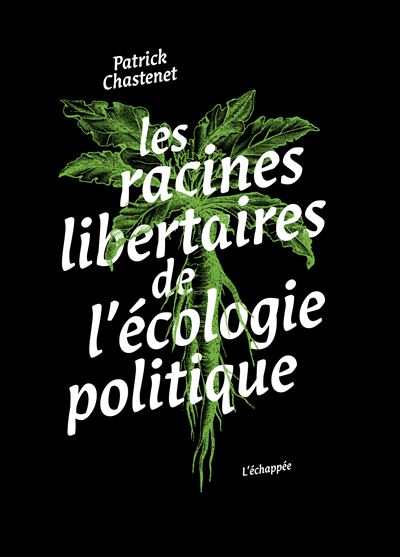
Patrick Chastenet examines the anarchist roots of political ecology. He considers five authors who connected the defense of nature to the defense of freedom: Reclus, Ellul, Charbonneau, Illich, and Bookchin. Chastenet offers a rich and instructive presentation that leads to many questions.