Books & Ideas is the English-language mirror website of La Vie des Idées, a free online journal which has gained a large readership and established itself in France as a major place for intellectual debate since 2007.
Since the two World Wars, the victim has been raised to the status of a sacred and predominant figure in historical memory. The victim has become the new figure of the hero, thus setting a new and controversial example.
As multilateral cooperation is increasingly under attack, Katerina Linos challenges certain misperceptions about the role of international institutions, particularly the European Union, and emphasizes their capacity for action in times of multiple crises.
Why do we believe that our societies are freer, more prosperous or more democratic thanks to the institution of private property rather than in spite of it?
By shedding light on alternative ways of life that have hitherto been kept in the shadows, Constance Rimlinger shows that ecofeminist utopias are a reality that seeks emancipation from capitalism and patriarchy.
About: Christine Détrez, Crush. Fragments du nouveau discours amoureux, Flammarion
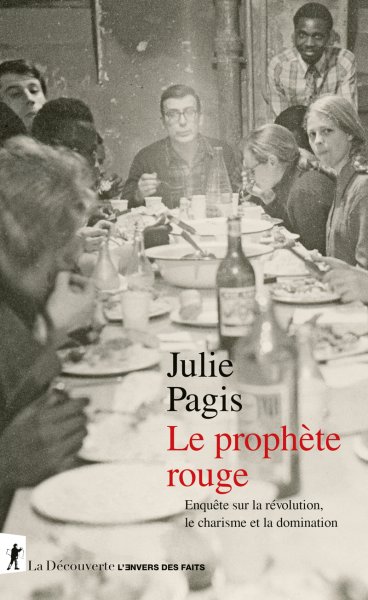
About : Julie Pagis, Le prophète rouge, La Découverte
About: Julie Madon, Faire durer les objets. Pratiques et ressources dans l’art de déconsommer, Les Presses de Sciences Po
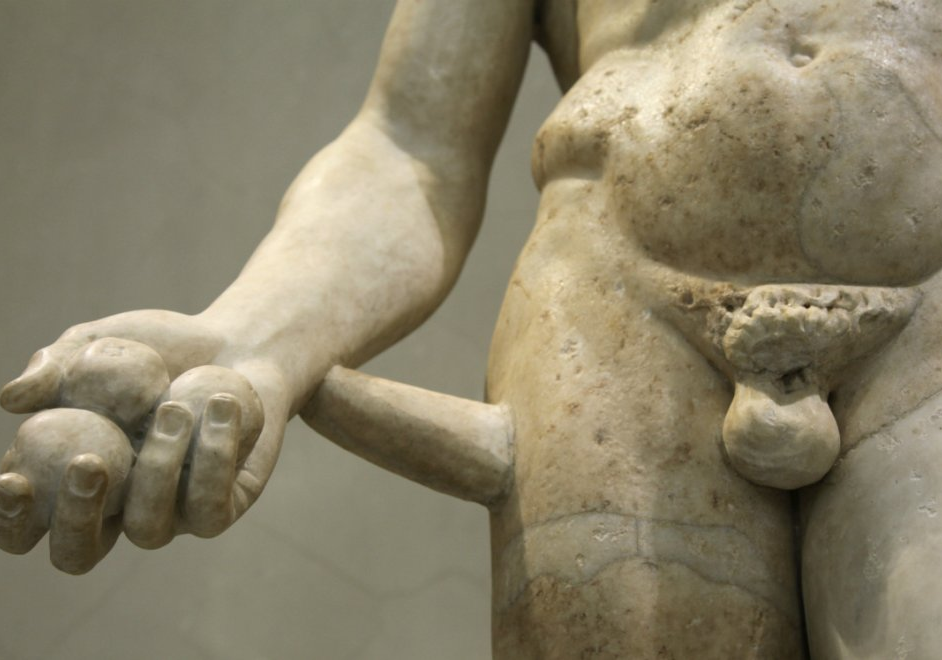
A rumour is circulating in some African countries: the French state is organising penis thefts to offset declining fertility. The rumour, spread by Russian propaganda, has become fake news.
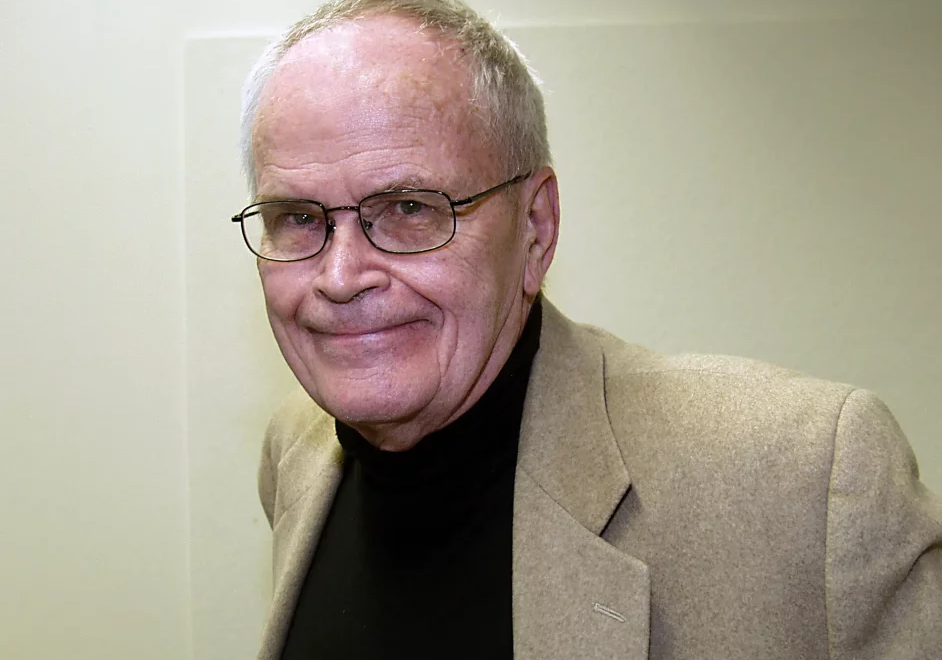
The American sociologist Harrison White made a vital contribution to the development of social network analysis. Besides his work in this field, his theoretical synthesis and his understanding of social formations have influenced a variety of fields such as the sociology of art and economic sociology.
Ukraine’s water networks have been mobilized since the start of the war in 2014. Infrastructure workers are some of the last to leave settlements attacked by the Russian army. Water systems and people are resisting but are reaching the limits of their capacity to adapt to violence and disruptions.
As protests against racism break out all over the world following the murder of George Floyd, Books & Ideas gathers a selection of texts examining the history of these multifaceted discriminations and of the struggles for racial justice.
Protectionism, a solution? Really? The economic crisis may not have turned the tide against liberalization, but we certainly cannot look at protectionism the same as we used to.
The Paris Agreement on Climate Change is three years old this week but is already under attack. In support of further necessary action to address the changing climate, Public Books & La Vie des Idées offer a collaborative series of articles examining the intersection of climate change and capitalism.
Fred Block & Margaret Somers, two key members of an international network of scholars appealing to Karl Polanyi’s masterpiece of 1944, forcefully argue that it constitutes a critical resource for understanding not only the nature and origins of the market economy but also its recurrent crises, including the current one.
Umberto Eco is best known to the general public for his novels and critical works in which he developed his theory of reception. Who realizes, however, that this aspect of his work is only one part of a general semiology organized around a philosophy of signs?
Rediscovering an activist thinker who was at the origins of eco-feminism, but remains unknown. Her work inspired an extremely heterogeneous movement, but has her ambition to concretely transform the social, economic and political organisation of society been pursued?
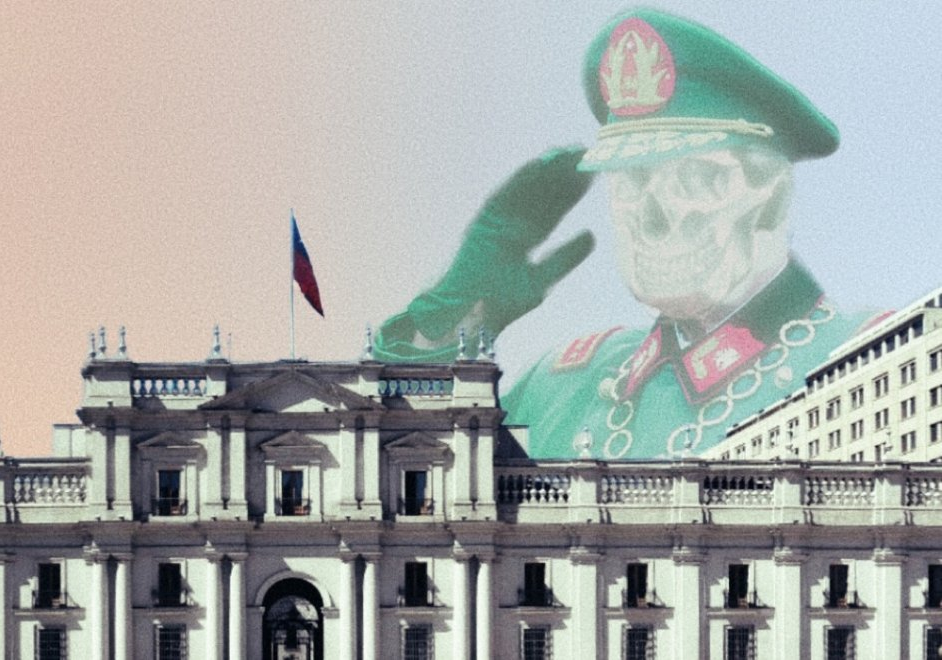
Dans un Chili en transition, le gouvernement de Gabriel Boric qui affiche son intention de lutter contre les inégalités sociales se heurte à une remontée de l’extrême droite. Simple réaction à une politique de gauche, ou retour du spectre de Pinochet ?
Les minorités peinent souvent à faire reconnaître les savoirs qui leur sont propres, ou même les transmettre. Aux injustices sociales et raciales s’ajoutent ainsi des injustices épistémiques, contre lesquelles il faut également lutter.
Les espaces marins étudiés par l’anthropologue Fabien Clouette montrent comment l’humain et l’animal cohabitent. Ce dernier est alors tantôt renvoyé à sa nature sauvage, tantôt à des caractéristiques anthropomorphisées.
À propos de : Par inadvertance. La « cuillère humaine » de Fernand Deligny, L’Arachnéen
À propos de : Patrick Geary, Comment la génétique réécrit l’histoire du Moyen Âge, CNRS éditions