Books & Ideas is the English-language mirror website of La Vie des Idées, a free online journal which has gained a large readership and established itself in France as a major place for intellectual debate since 2007.
The intensive use of carbon energies has brought prosperity, particularly since 1945, along with relatively peaceful international relations. Decarbonation makes it necessary, according to Pierre Charbonnier, to invent a new form of geopolitics.
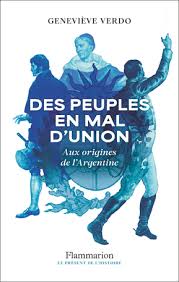
Could Argentina, instead of being the modern country we know, have developed into fourteen independent states engaged in never-ending competition? From the “disunited province” of Rio de la Plata to the affirmation of a single nation-state, a new book describes a quest for unity that lasted five decades. Reviewed: Geneviève Verdo, Des peuples en mal d’union. Aux origines de l’Argentine (Peoples without unity: The origins of Argentina) Paris Flammarion, 2025.
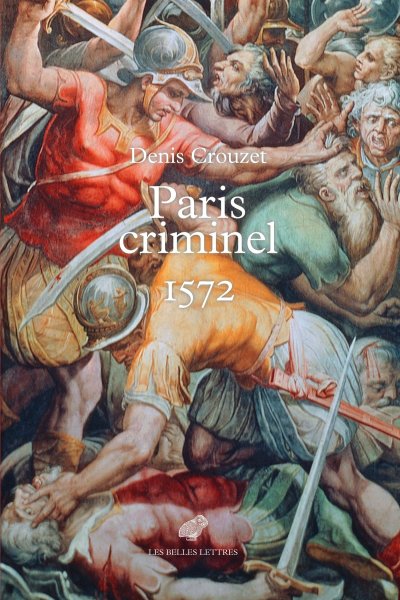
Thirty years after La Nuit de la Saint-Barthélemy (Saint Bartholomew’s Night), Denis Crouzet revisits the massacres of August 1572—a collective purge, a royal enigma, and a popular initiative, which his new book illuminates with bold erudition by reintroducing confessional violence, with all its historical depth, into the story.
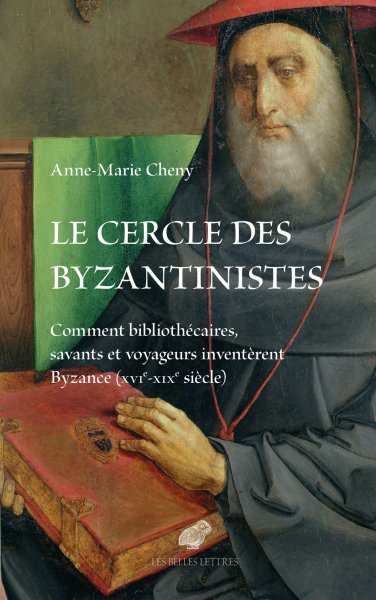
About: Anne-Marie Cheny, Le cercle des byzantinistes. Comment bibliothécaires, savants et voyageurs inventèrent Byzance (XVIe-XIXe siècle), Les Belles Lettres
About: Nicolas Badalassi, La France, la guerre froide et la Méditerranée. Des accords d’Évian à la Perestroïka, Presses universitaires de Rennes
About: Paulin Ismard et Arnaud Macé, La Cité et le nombre. Clisthène d’Athènes, l’arithmétique et l’avènement de la démocratie, Les Belles Lettres
The female silhouette – understood as the body’s visible form and socially perceived appearance – has long been shaped by social norms. In the age of social media, these norms are intensifying, prompting, in response, the rise of so-called “body-positive” movements.
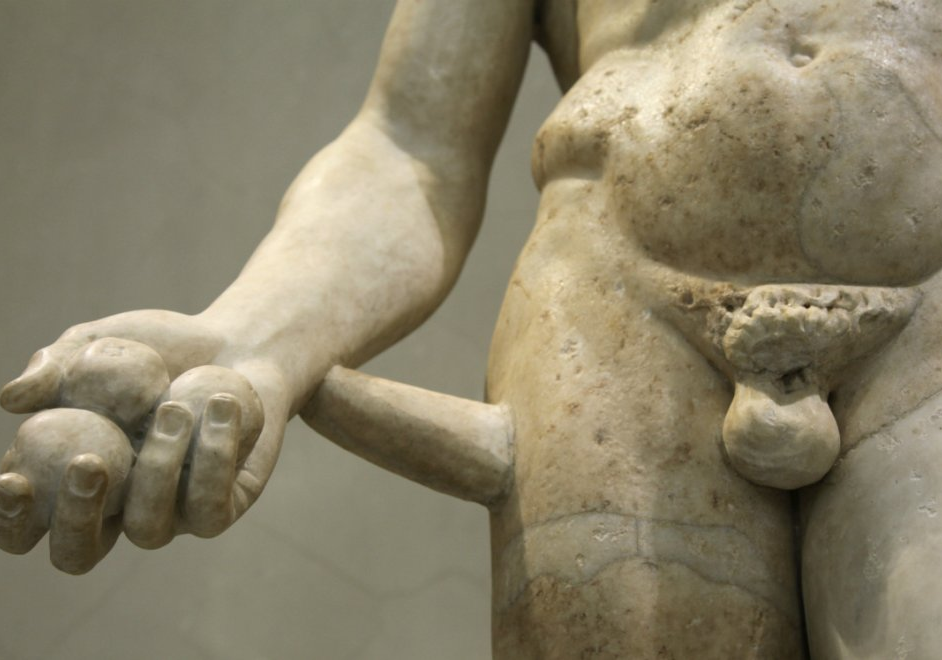
A rumour is circulating in some African countries: the French state is organising penis thefts to offset declining fertility. The rumour, spread by Russian propaganda, has become fake news.
The American sociologist Harrison White made a vital contribution to the development of social network analysis. Besides his work in this field, his theoretical synthesis and his understanding of social formations have influenced a variety of fields such as the sociology of art and economic sociology.
Protectionism, a solution? Really? The economic crisis may not have turned the tide against liberalization, but we certainly cannot look at protectionism the same as we used to.
As populism is rising on a global level, Books & Ideas offers a series on media politics in East Asian countries, to be published over the next two weeks. Though situations are extremely diverse, they can teach us a lot on the relationship between the state and journalists in authoritarian contexts. What role is left for the media to play in non-democracies?
We seem to struggle to take the measure of the Covid-19 pandemic. Its onset was sudden, its effects are uncertain and its long term consequences are still unpredictable. Books & Ideas gathers a selection of texts exploring the various facets of epidemics.
Leading 19th century statesman, political economist, architect of the 1860 commercial treaty between France and the United Kingdom, and campaigner for peace between European nations, Michel Chevalier had also been a dominant voice in the Romantic socialism of Saint-Simonianism: the eclectic nature of his thought would lend itself to a particular vision of Europe, forerunner of today’s European Union.
André Gorz’s multiform thought is entirely centred on liberation: from work, which prevents individuals from thriving; from consumption, which grows ever higher; and from the social system, which reduces individuals to mere pawns in a “megamachine”.
Books & Ideas is going on holiday for the summer, and will resume its publication schedule in September. In the meantime, we present you with a weekly roundup of our most recent essays and reviews. Our second summer selection features portraits of prominent intellectual figures: Albert Camus, René Dumont, Ronald Dworkin, Joan W. Scott and Max Weber.
« Tous logés à la même enseigne » face à la canicule, comme le prétend un journaliste ? M. Ginsburger démontre combien les inégalités de logement et d’équipement entament l’universalité de ce que devrait être un droit à la fraîcheur.
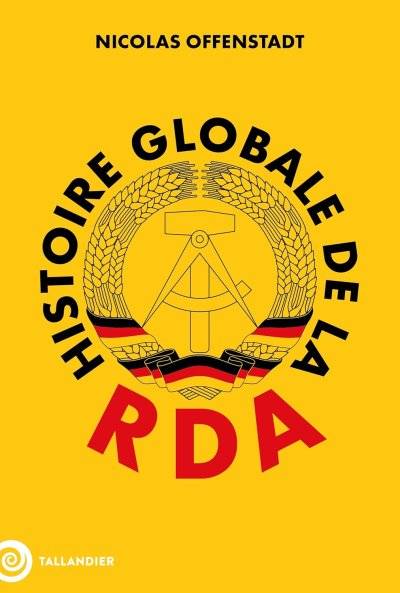
Au-delà de la dictature, bien réelle, la RDA n’a pas été une simple parenthèse, un accident de l’histoire. Incarné dans des discours, des organisations, des objets, des partenariats internationaux, le communisme a été autre chose qu’un prélude au post-communisme.
Il est difficile de penser au bien-être des générations qui viendront après nous, et pourtant nous avons à leur égard une responsabilité morale – d’autant plus grande que désormais, leur existence est menacée.
À propos de : Rahel Jaeggi, Progrès et régression, Seuil
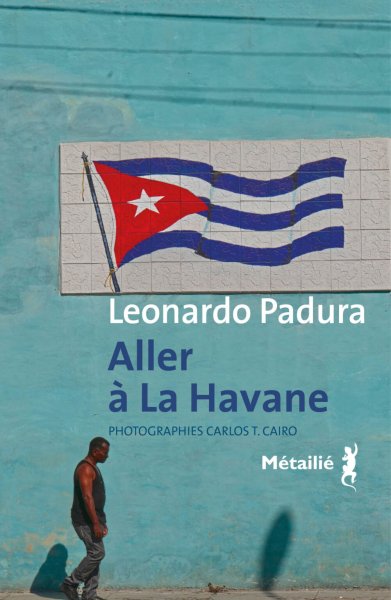
À propos de : Leonardo Padura, Aller à La Havane, Métailié
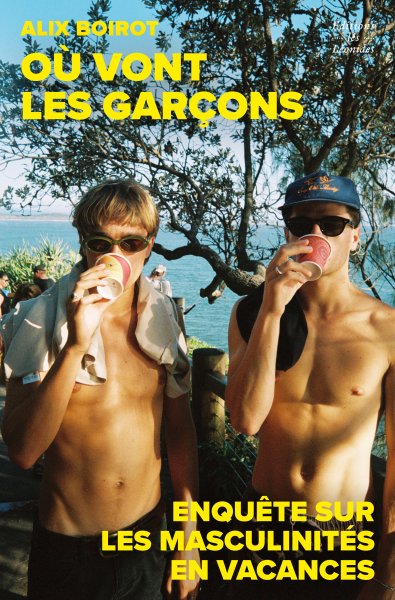
À propos de : Alix Boirot, Où vont les garçons, Enquête sur les masculinités en vacances, Les Léonides