Books & Ideas is the English-language mirror website of La Vie des Idées, a free online journal which has gained a large readership and established itself in France as a major place for intellectual debate since 2007.
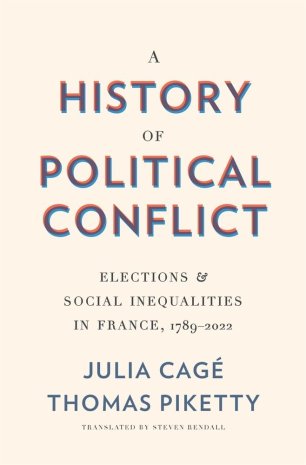
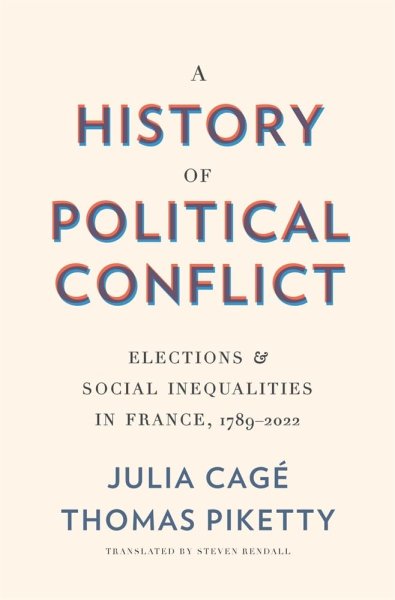
Julia Cagé and Thomas Piketty’s economic history of political conflict in France is a defense of bipartition: The Left-Right divide, which is the foundation of our democracy, has enabled social progress. We must therefore work to restore it.
As multilateral cooperation is increasingly under attack, Katerina Linos challenges certain misperceptions about the role of international institutions, particularly the European Union, and emphasizes their capacity for action in times of multiple crises.
In his academic reading of Julia Cagé and Thomas Piketty’s book, Michel Offerlé provides a critical analysis of the selected indicators, followed by a comparison with works of electoral sociology and electoral history.
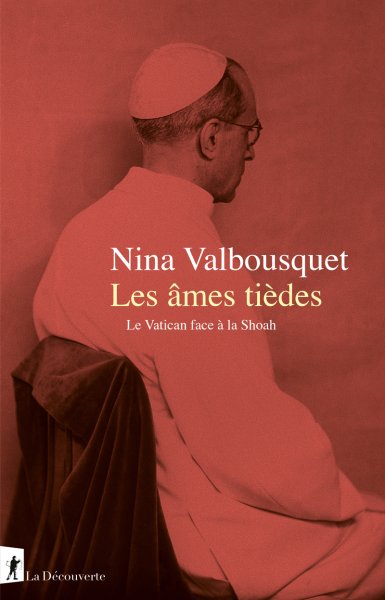
Long the subject of myth, Pius XII’s attitude towards the Holocaust and Jewish persecution can now be evaluated with the help of the archives. Nina Valbousquet makes a convincing case: the issue was not impartiality, but tepidness.
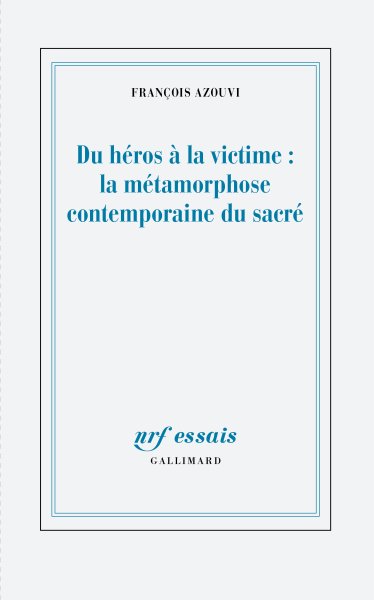
About: François Azouvi, Du héros à la victime : la métamorphose contemporaine du sacré, Gallimard
About: Eric Fabri, Pourquoi la propriété privée (The Whys and Wherefores of Private Property), Le Bord de l’Eau
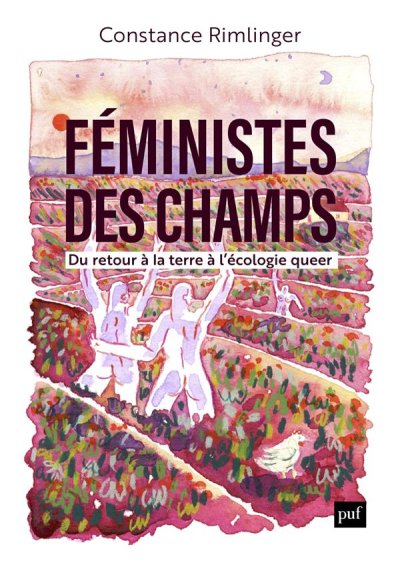
About: Constance Rimlinger, Féministes des champs. Du retour à la terre à l’écologie queer, Presses universitaires de France
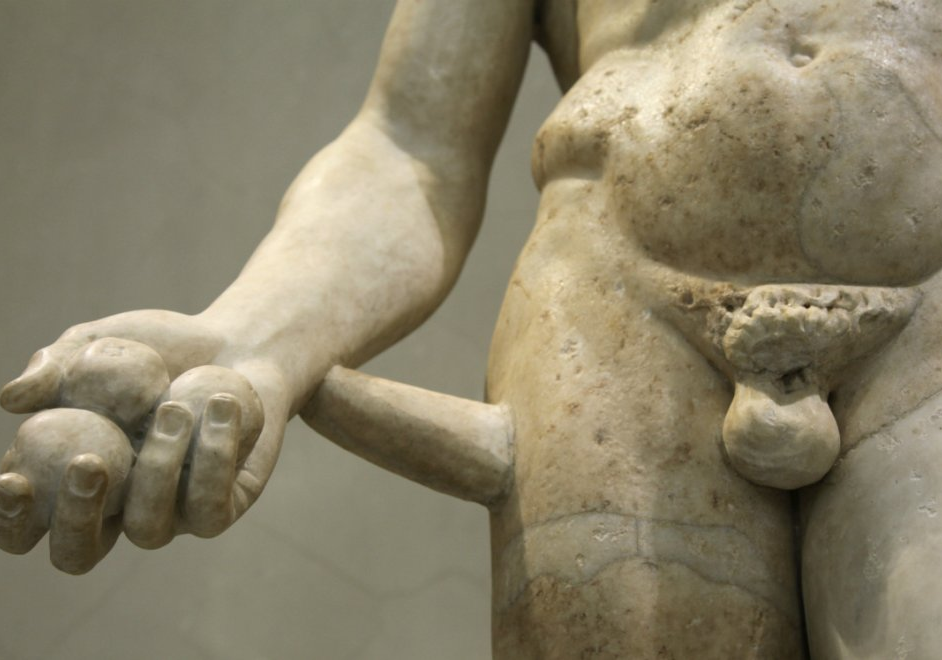
A rumour is circulating in some African countries: the French state is organising penis thefts to offset declining fertility. The rumour, spread by Russian propaganda, has become fake news.
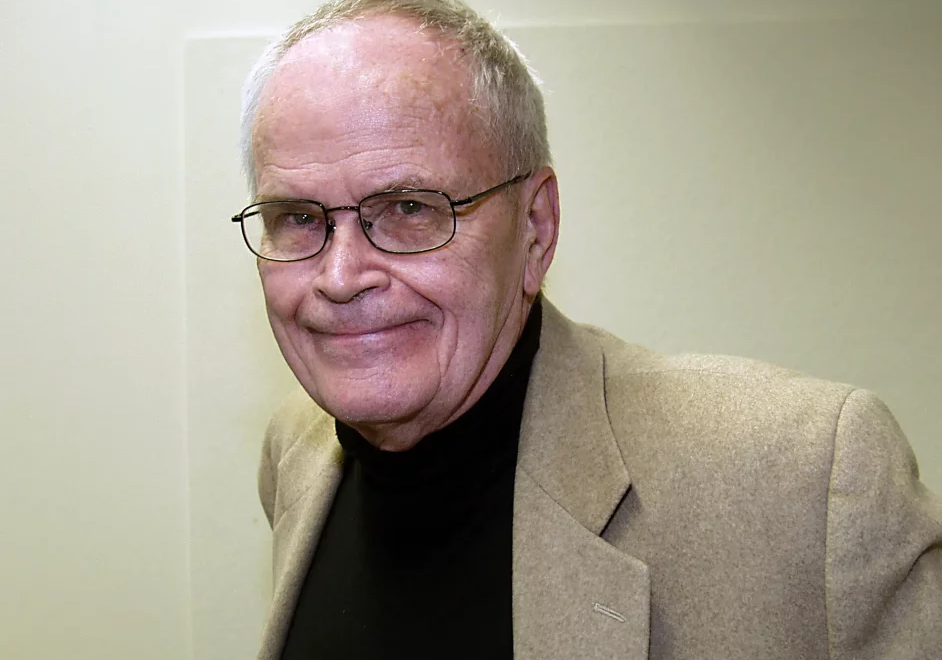
The American sociologist Harrison White made a vital contribution to the development of social network analysis. Besides his work in this field, his theoretical synthesis and his understanding of social formations have influenced a variety of fields such as the sociology of art and economic sociology.
Ukraine’s water networks have been mobilized since the start of the war in 2014. Infrastructure workers are some of the last to leave settlements attacked by the Russian army. Water systems and people are resisting but are reaching the limits of their capacity to adapt to violence and disruptions.
Historians, sociologists, and social scientists in general have long tried to “think big” and “global.” The rise of Asia in the world economy has stimulated anew this attraction for the macro-level. Books and Ideas proposes to look at some of the most innovative ways this work has been done recently, in the history of ideas, of trade and cultural exchanges, economic convergences and decolonization.
Books & Ideas is slowing down for the summer and will be offering weekly selections of reviews and essays published over the last year. This week’s selection questions our global consumerism, looks back in its history and analyses its legal framework.
We seem to struggle to take the measure of the Covid-19 pandemic. Its onset was sudden, its effects are uncertain and its long term consequences are still unpredictable. Books & Ideas gathers a selection of texts exploring the various facets of epidemics.
Rediscovering an activist thinker who was at the origins of eco-feminism, but remains unknown. Her work inspired an extremely heterogeneous movement, but has her ambition to concretely transform the social, economic and political organisation of society been pursued?
A highly respected figure in African studies, Jack Goody has become a distinctive voice in the torrent of academic critiques of western ethnocentrism. His work, spanning more than sixty years, has been based on a single ambition: comparison, for the sake of more accurately locating European history within Eurasian and world history.
Kenzaburō Ōe, winner of the Nobel Prize in Literature, is a controversial figure in Japan. And rightly so, for there are a great many contradictions in both his fictional and theoretical work. He is a fierce opponent of nuclear weapons and nuclear energy, and yet continues to celebrate the heroism of the soldier who finds glory through sacrifice.
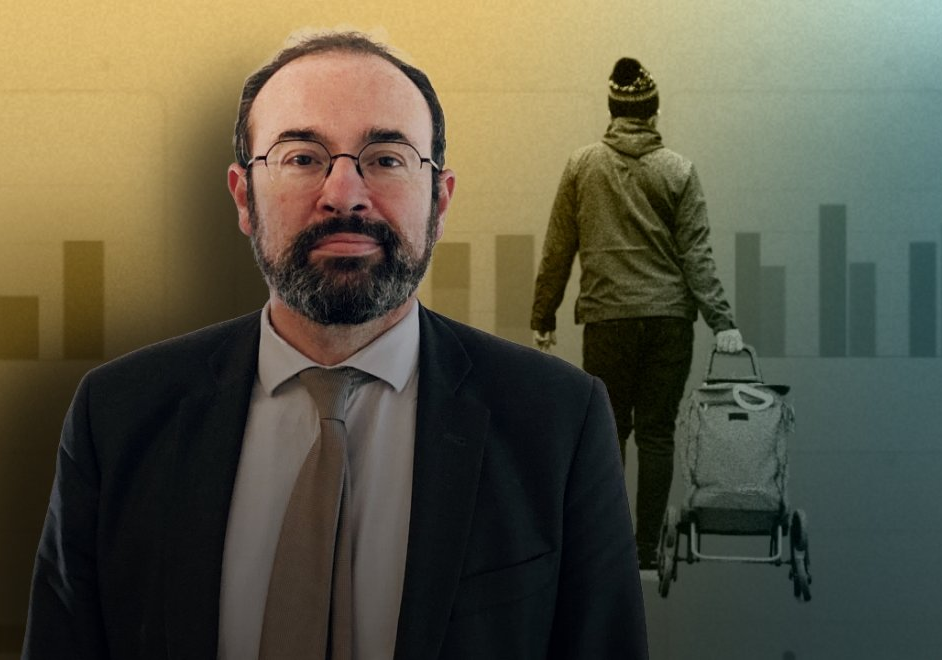
La statistique publique constitue un repère indispensable pour le débat et l’information au service de la société, Fabrice Lenglart, directeur général de l’Insee, montre sa contribution à la mesure de la pauvreté et à l’analyse de ses tendances récentes.
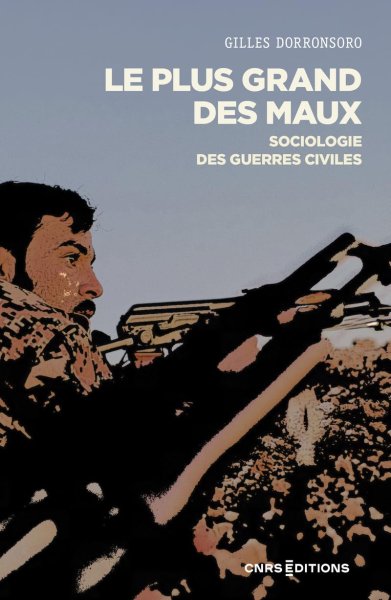
Que nous apprennent les sciences sociales sur ce que sont – et ne sont pas – les guerres civiles ? Fort de décennies d’enquêtes au cœur de la violence, Gilles Dorronsoro propose une théorie générale des guerres civiles et démontre l’utilité sociale de l’enquête de terrain.
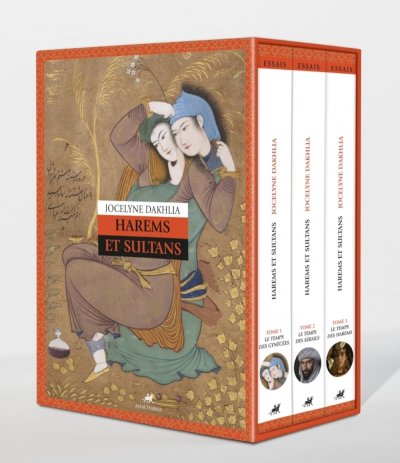
Le harem a nourri l’imaginaire occidental jusqu’à aujourd’hui, véhiculant le cliché d’un monde despotique et misogyne. L’imposante documentation réunie par J. Dakhlia offre une vision plus nuancée.
À propos de : Amandine Catala, The Dynamics of Epistemic Injustice. Situating Epistemic Power and Agency, Oxford University Press
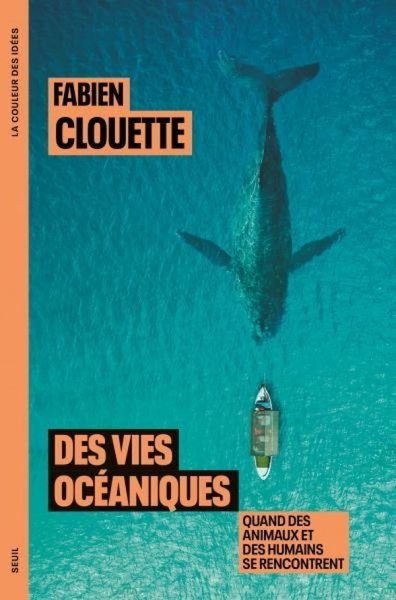
À propos de : Fabien Clouette, Des vies océaniques. Quand des animaux et des humains se rencontrent, Seuil