Books & Ideas is the English-language mirror website of La Vie des Idées, a free online journal which has gained a large readership and established itself in France as a major place for intellectual debate since 2007.
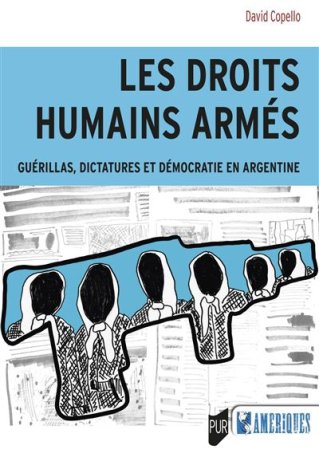
Can the defense of human rights be reconciled with guerilla warfare? David Copello offers an in-depth reinterpretation of the history of these complex struggles that have shaken Argentine society to its core.
Jeanne Tsai and Batja Mesquita show how emotions are shaped by cultural logics that orient our relationships and judgments. Their conversation raises a broader question: what does it mean to understand others in culturally plural societies?
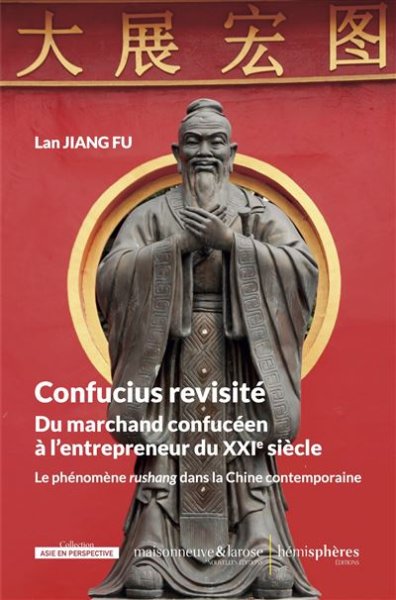
At a time when Chinese capitalism is in search of an ethic, entrepreneurs are reinventing the old Confucian merchant.
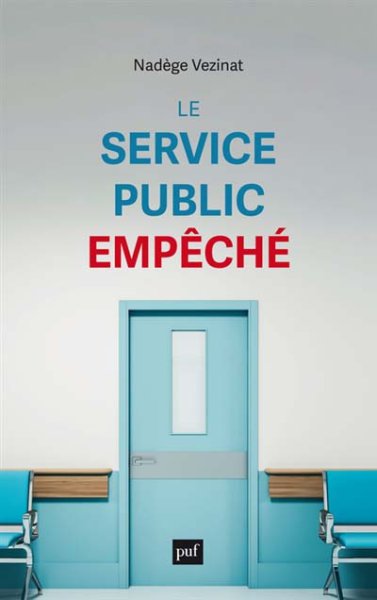
What effects have economic rationalization had on public services? Nadège Vezinat presents a nuanced picture of how institutional dynamics weaken the welfare state’s bureaucracy, agents, and the rights of beneficiaries.
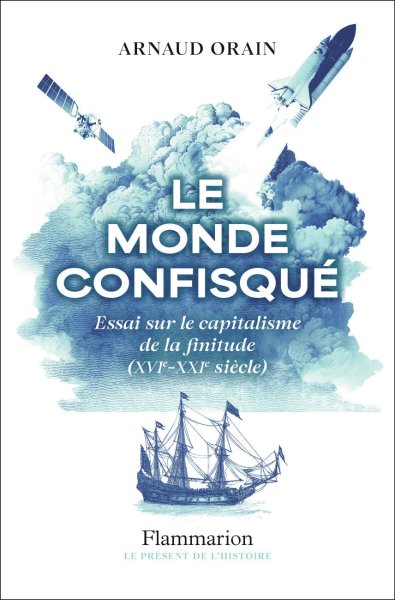
About: Arnaud Orain, Le Monde confisqué. Essai sur le capitalisme de la finitude, Flammarion
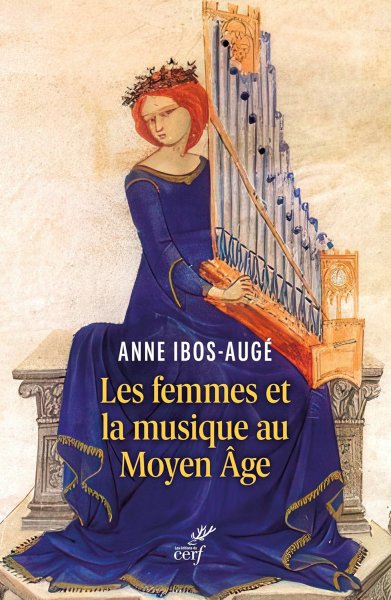
About: Anne Ibos-Augé, Les femmes et la musique au Moyen Âge, éditions du Cerf
About: Éric Dacheux et Daniel Goujon, Théorie délibérative des valeurs, Presses universitaires de Provence
The female silhouette – understood as the body’s visible form and socially perceived appearance – has long been shaped by social norms. In the age of social media, these norms are intensifying, prompting, in response, the rise of so-called “body-positive” movements.
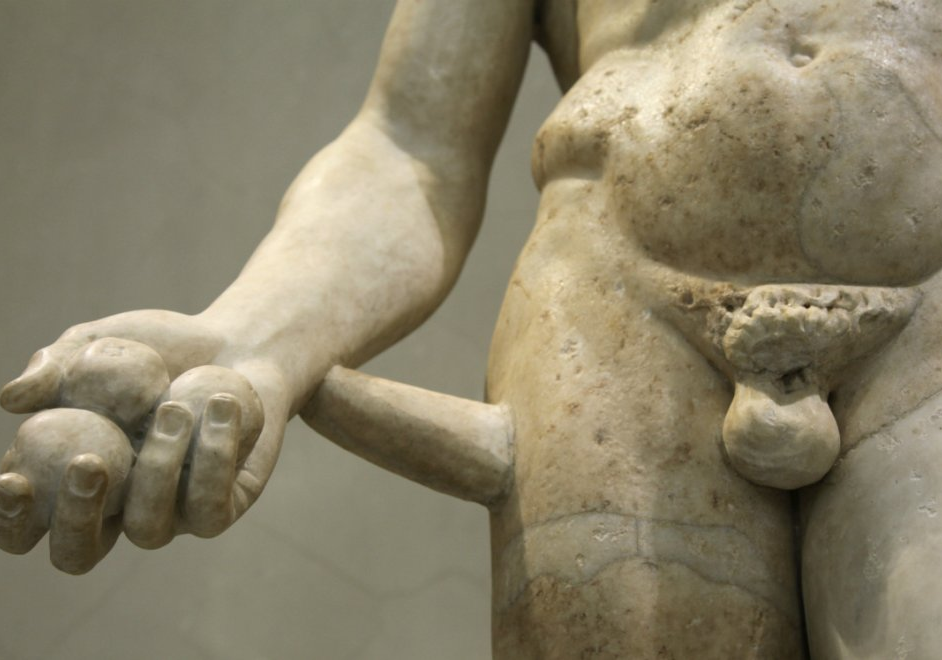
A rumour is circulating in some African countries: the French state is organising penis thefts to offset declining fertility. The rumour, spread by Russian propaganda, has become fake news.
The American sociologist Harrison White made a vital contribution to the development of social network analysis. Besides his work in this field, his theoretical synthesis and his understanding of social formations have influenced a variety of fields such as the sociology of art and economic sociology.
Books & Ideas is slowing down for the summer and will be offering weekly selections of reviews and essays published over the last year. This week’s selection questions the relationship between gender and politics.
Is it really the case, as is often alleged, that money decides everything about elections? As the US presidential election is looming, La Vie des idées/Books & Ideas and Public Books team up to examine the influence of money in today’s electoral democracies.
Books & Ideas is going on holiday for the summer, and will resume its publication schedule in September. In the meantime, we present to you a weekly roundup of our most recent essays and reviews. Our first summer selection features compelling interviews on subjects as varied as food and media studies, African-American history, quantum physics, Russian political culture, and Muslim-Jewish relations.
Ronald Coase (1910-2013), the 1991 Nobel Laureate in Economics, is famous for his oft-quoted and just as often misunderstood “theorem.” His seminal works on transaction costs, property rights, and regulation continue to stimulate a rich reflection in economics and beyond.
Umberto Eco is best known to the general public for his novels and critical works in which he developed his theory of reception. Who realizes, however, that this aspect of his work is only one part of a general semiology organized around a philosophy of signs?
Et pourquoi l’usage de l’IA générative serait-elle incompatible avec la création artistique ? Il y a pourtant longtemps que la notion d’auteur, seul maître à bord de son oeuvre, a fait l’objet de contestation.
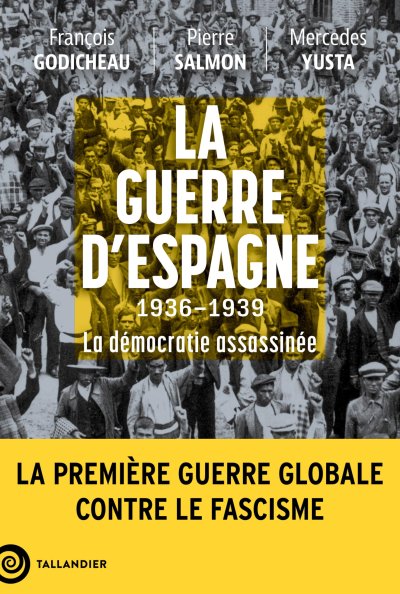
Longtemps marquée par le franquisme, l’histoire de la guerre d’Espagne se renouvelle aujourd’hui, nourrie par les expériences vécues. En mettant en évidence les dynamiques de fascisation et d’internationalisation, peut-on déplacer le regard vers un nouveau récit du conflit ?
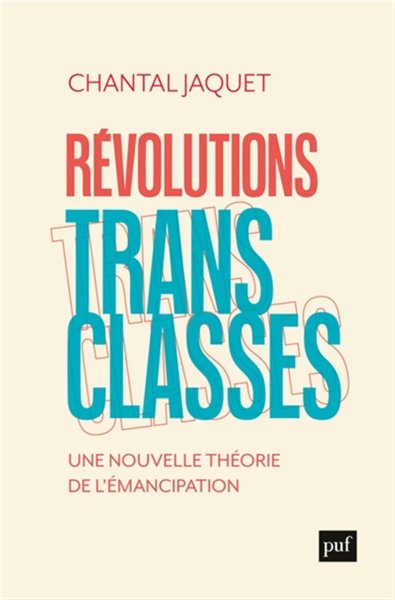
Comment le passage d’une classe à l’autre, longtemps pensé comme une aventure individuelle, peut-il devenir un levier d’émancipation collective ? C. Jaquet reprend, à partir de Marx et de Spinoza, la question de l’abolition des classes.
À propos de : Stefan C. Aykut et Amy Dahan, La mutation climatique, Presses de Sciences Po
À propos de : Zoé Grumberg, Militer en minorité ? Le « secteur juif » du Parti communiste français après la Libération, PUR
À propos de : Gabrielle Radica, La famille des classiques, ENS Éditions