Books & Ideas is the English-language mirror website of La Vie des Idées, a free online journal which has gained a large readership and established itself in France as a major place for intellectual debate since 2007.
Could Argentina, instead of being the modern country we know, have developed into fourteen independent states engaged in never-ending competition? From the “disunited province” of Rio de la Plata to the affirmation of a single nation-state, a new book describes a quest for unity that lasted five decades. Reviewed: Geneviève Verdo, Des peuples en mal d’union. Aux origines de l’Argentine (Peoples without unity: The origins of Argentina) Paris Flammarion, 2025.
Thirty years after La Nuit de la Saint-Barthélemy (Saint Bartholomew’s Night), Denis Crouzet revisits the massacres of August 1572—a collective purge, a royal enigma, and a popular initiative, which his new book illuminates with bold erudition by reintroducing confessional violence, with all its historical depth, into the story.
It was not until the second half of the nineteenth century that Byzantine studies acquired their official scientific and academic status, after a long process involving rigorous selection of the documents that have survived to the present day.
About: Nicolas Badalassi, La France, la guerre froide et la Méditerranée. Des accords d’Évian à la Perestroïka, Presses universitaires de Rennes
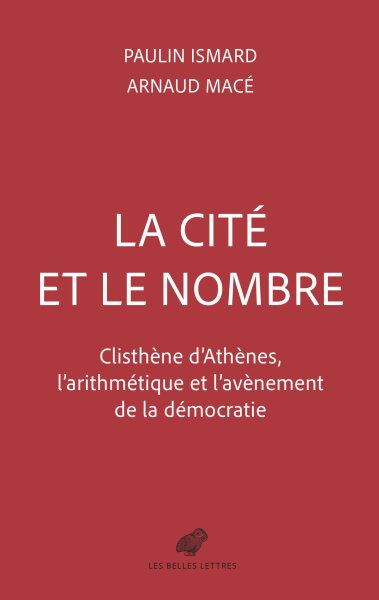
About: Paulin Ismard et Arnaud Macé, La Cité et le nombre. Clisthène d’Athènes, l’arithmétique et l’avènement de la démocratie, Les Belles Lettres
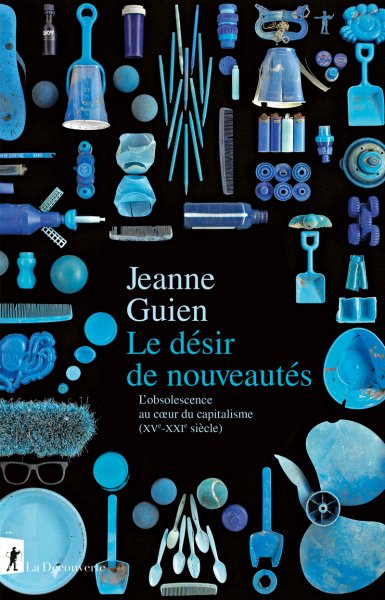
About Jeanne Guien, Le Désir de nouveautés. L’obsolescence au cœur du capitalisme (XVe-XXIe siècle), La Découverte
The female silhouette – understood as the body’s visible form and socially perceived appearance – has long been shaped by social norms. In the age of social media, these norms are intensifying, prompting, in response, the rise of so-called “body-positive” movements.
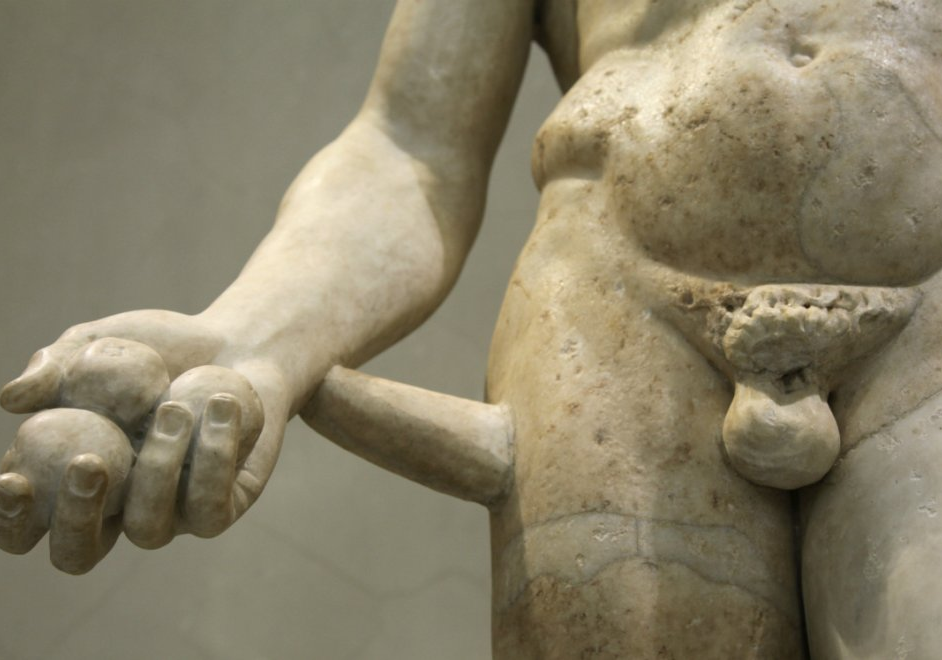
A rumour is circulating in some African countries: the French state is organising penis thefts to offset declining fertility. The rumour, spread by Russian propaganda, has become fake news.
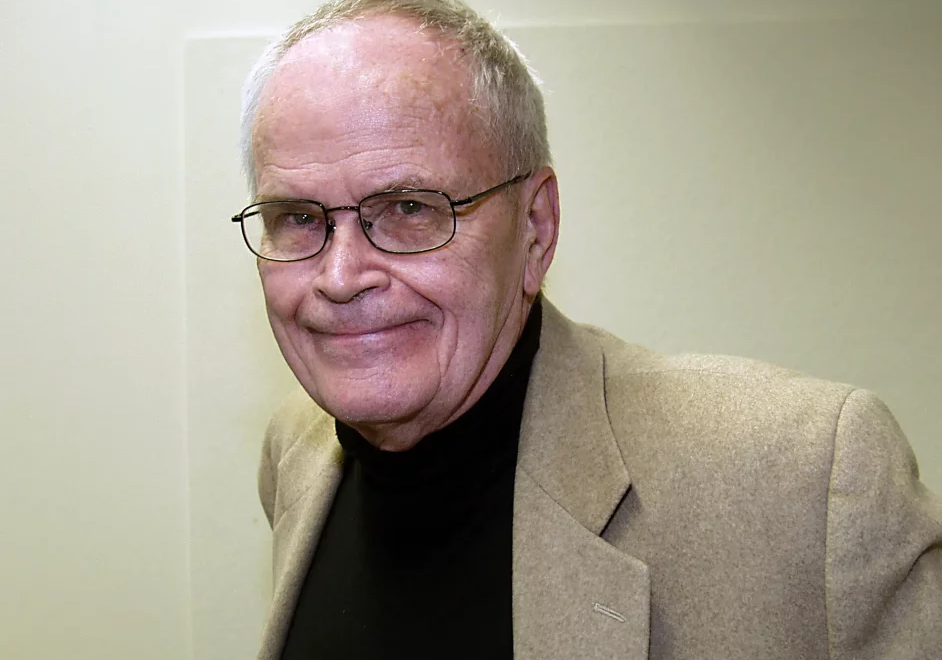
The American sociologist Harrison White made a vital contribution to the development of social network analysis. Besides his work in this field, his theoretical synthesis and his understanding of social formations have influenced a variety of fields such as the sociology of art and economic sociology.
Books & Ideas is slowing down for the summer. In the meantime, here is a selection of essays, reviews and interviews published over the past year, exploring the relationship between music and politics.
The current world-wide demand for “real” democracy as embodied in the Indignados (15-M) movement and the Occupy Wall Street movement reiterates long-lasting frustrations as regards representative government and the incompleteness of democratic experiences throughout the world. This dossier gathers interviews and essays by renowned scholars on the conception of democracy as an on-going experience and not as a finished model.
Summer is here; Books&Ideas is off on holiday. We will be back with new publications starting August 30. In the meantime, here is a selection of essays, interviews and reviews published over the past year.
Fred Block & Margaret Somers, two key members of an international network of scholars appealing to Karl Polanyi’s masterpiece of 1944, forcefully argue that it constitutes a critical resource for understanding not only the nature and origins of the market economy but also its recurrent crises, including the current one.
Ronald Coase (1910-2013), the 1991 Nobel Laureate in Economics, is famous for his oft-quoted and just as often misunderstood “theorem.” His seminal works on transaction costs, property rights, and regulation continue to stimulate a rich reflection in economics and beyond.
Now a well-known Chinese lawyer of the democratic dissidence in China, Zhang Sizhi was once a young nationalist, a high-ranking official in the court of Beijing and a victim of anti-rightist repression. In his memoirs, he provides a detailed and fascinating description of the profession and China in the second half of the 20th century.
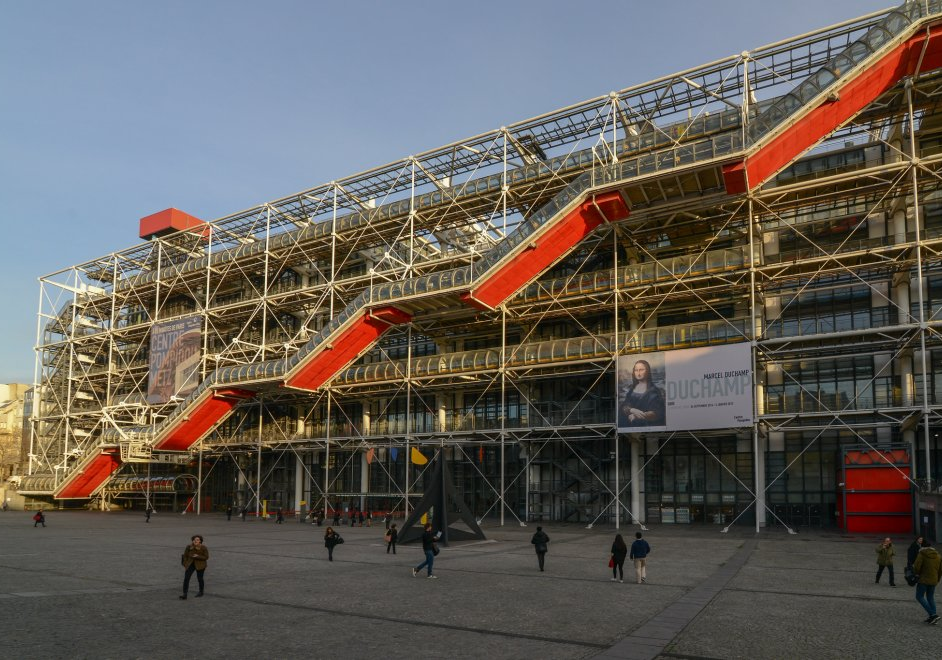
Le Centre Pompidou a été un modèle pour la politique culturelle française, mais aussi le témoin et victime de ses dérives, de ses impasses, de la réduction des budgets publics à la massification-marchandisation de la culture.
Ni saint laïque ni héros national : l’œuvre historienne comme les relations personnelles de Marc Bloch révèlent un homme aux multiples facettes et aux engagements constants. Un portrait total, au-delà de l’image figée des cérémonies républicaines.
Qu’est-ce que le Brésil, ce pays continent placé aux avant-postes des bouleversements écologiques contemporains, peut nous apprendre sur l’Anthropocène ? Un collectif de chercheurs brésiliens nous invite à décloisonner les disciplines universitaires.
À propos de : Frédéric Fruteau de Laclos, Bruno Latour et l’anthropologie des modernes. Contre-enquête, Vrin
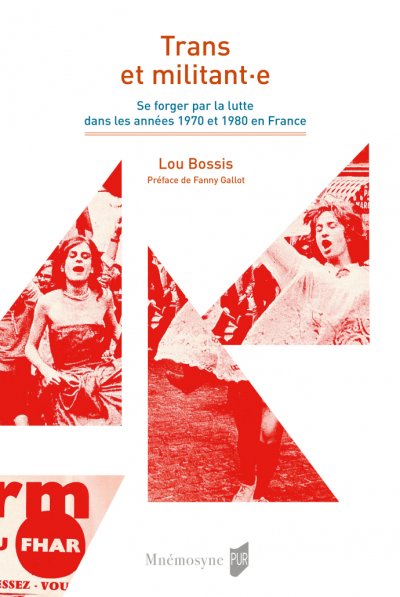
À propos de : Lou Bossis, Trans et militant.e.s. Se forger par la lutte dans les années 1970 et 1980 en France, Presses Universitaires de Rennes
À propos de : Gian Luca Potestà, Dante en conclave. La Lettre aux cardinaux, Macula