Books & Ideas is the English-language mirror website of La Vie des Idées, a free online journal which has gained a large readership and established itself in France as a major place for intellectual debate since 2007.
It was not until the second half of the nineteenth century that Byzantine studies acquired their official scientific and academic status, after a long process involving rigorous selection of the documents that have survived to the present day.
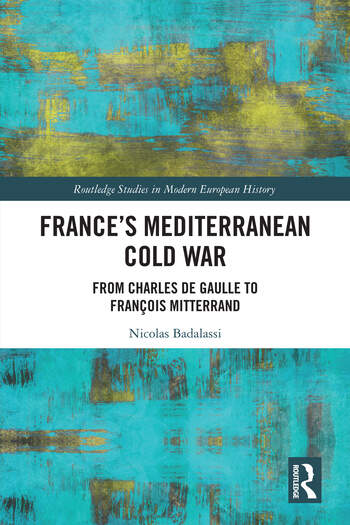
In an era marked by ideological conflict and geopolitical rivalry between the two superpowers, France managed to chart its own course, far from traditional bipolar frameworks.
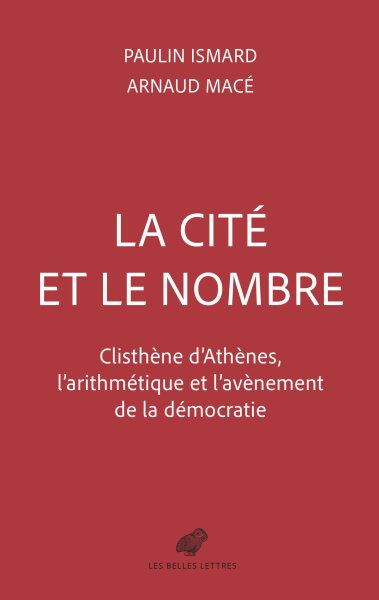
What is the nature of the distinctive rationality that underpins Cleisthenes’ reform, which many see as the birth of Greek democracy? What social mechanisms, civic experiences, and forms of vernacular knowledge made this new system of political organization possible?
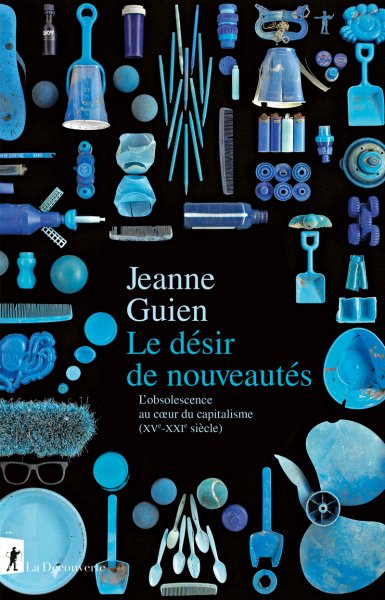
About Jeanne Guien, Le Désir de nouveautés. L’obsolescence au cœur du capitalisme (XVe-XXIe siècle), La Découverte
About: Laurent Jaffro, Le miroir de la sympathie. Adam Smith et le sentimentalisme, Vrin
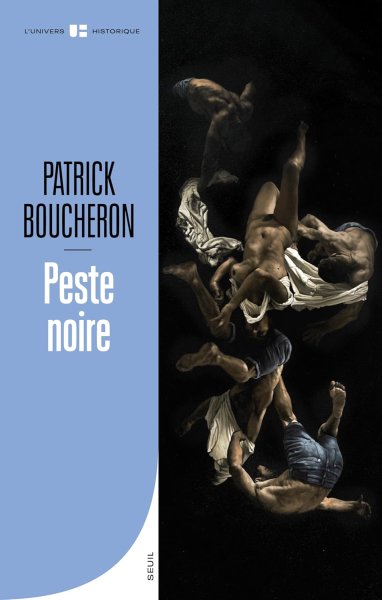
About: Patrick Boucheron, Peste Noire, Seuil
The female silhouette – understood as the body’s visible form and socially perceived appearance – has long been shaped by social norms. In the age of social media, these norms are intensifying, prompting, in response, the rise of so-called “body-positive” movements.
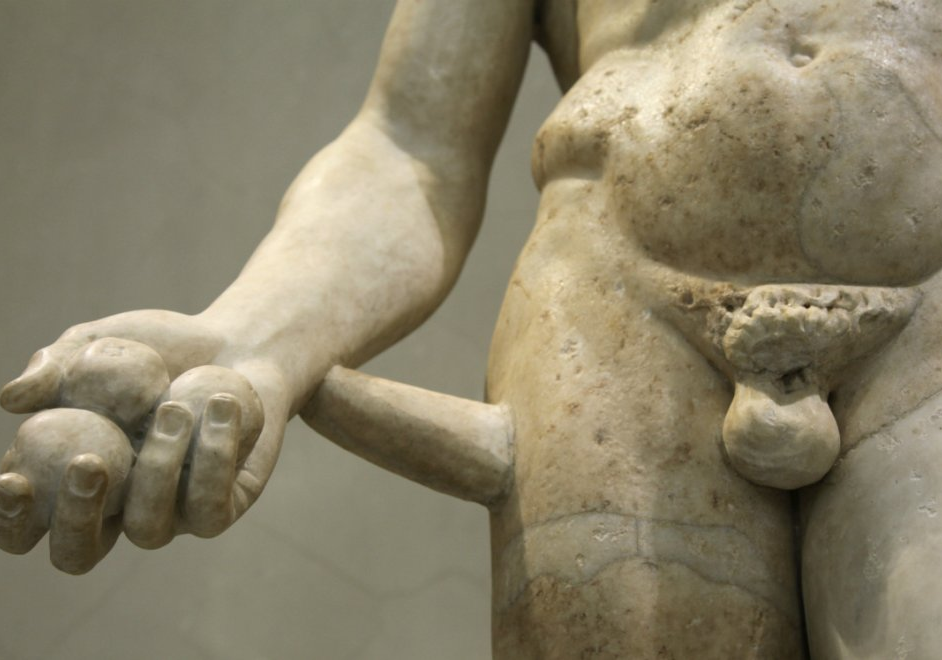
A rumour is circulating in some African countries: the French state is organising penis thefts to offset declining fertility. The rumour, spread by Russian propaganda, has become fake news.
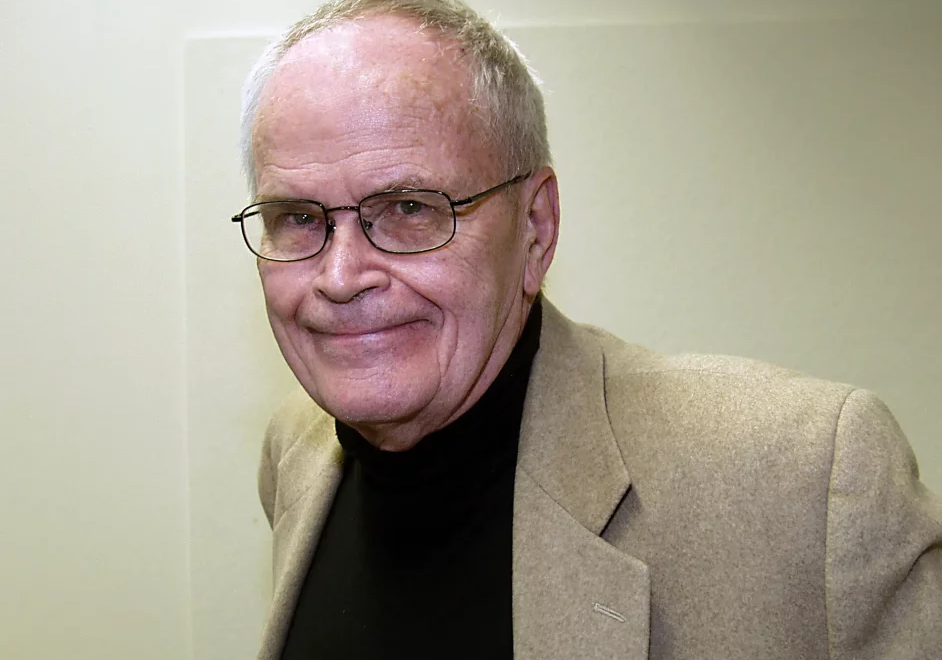
The American sociologist Harrison White made a vital contribution to the development of social network analysis. Besides his work in this field, his theoretical synthesis and his understanding of social formations have influenced a variety of fields such as the sociology of art and economic sociology.
Books & Ideas is slowing down for the summer and will be offering weekly selections of reviews and essays published over the last year. This week’s selection focuses on ways to shift our intellectual categories.
Over the past few months, Books and Ideas has been running a series of interviews with leading contemporary scholars, who took the time to discuss their particular topics of research with us. For the Christmas season, we have put together a selection of seven discussions with intellectuals across the humanities and sciences: sociology, history, comparative literature, neuro-biology, anthropology and political science.
A selection of five essays and reviews recently published in Books&Ideas discusses the legacy and renewal of social class studies in France, Great-Britain and India.
From the margins to which he was confined, Georges Devereux (1908-1985) formulated some of the most original scientific work of his century. In the wake of Freud, whose legacy he firmly defended, Devereux initiated the transcultural practice of psychiatry. François Laplantine, one of his former disciples, reconsiders the legacy of ethnopsychoanalysis’ founder.
Jane Mansbridge has made a major contribution to political theory. She has spent her life combining empirical research with a theoretical approach, and has played a vital role in developing the critique of rational choice and the study of democracy as a permanent process continually in flux.
“Do we have the right to make bets on the future of mankind?” Forty-one years after being the first ecologist candidate in a presidential campaign and publishing his manifesto book, René Dumont’s intuitions and warnings have lost little of their relevance.
Marc Bloch a fondé les Annales avec Lucien Febvre en plaçant l’économique et le social au cœur d’une histoire ouverte aux autres sciences sociales. Guillaume Calafat revient sur l’ambition internationale et interdisciplinaire des Annales, et sur l’héritage d’une approche historique assumant le lien au présent.
Face à l’embrasement du Proche-Orient, une crise plus profonde se dessine : celle d’un droit international qui vacille, fissurant les promesses universalistes du système multilatéral. Comment, dans la violence, se reconfigurent les rapports de pouvoir à l’échelle mondiale ?
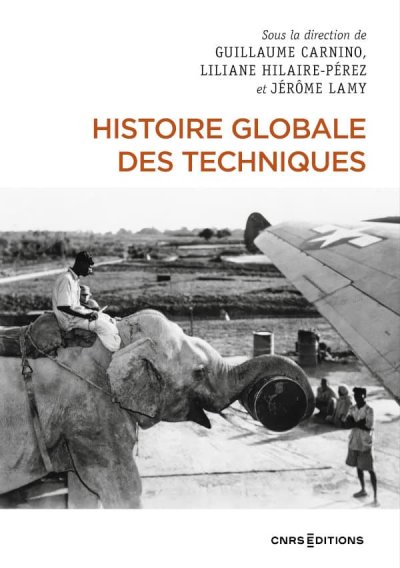
Une vaste synthèse restitue la diversité et la complexité des activités techniques et le sens qu’elles prennent dans la société contemporaine.
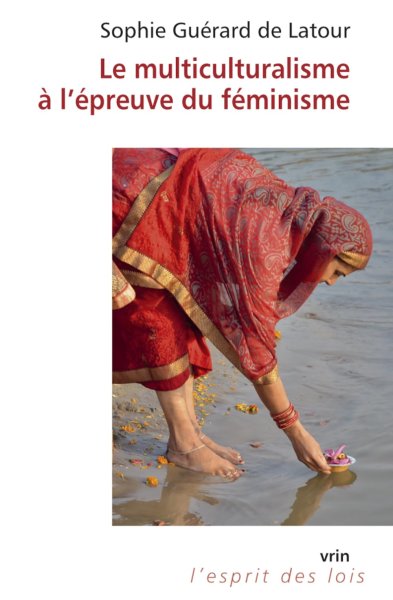
À propos de : Sophie Guérard de Latour, Le multiculturalisme à l’épreuve du féminisme, Vrin
À propos de : Célia Keren, La Cause des enfants. Humanitaire et politique pendant la guerre d’Espagne (1936-1939), Anamosa
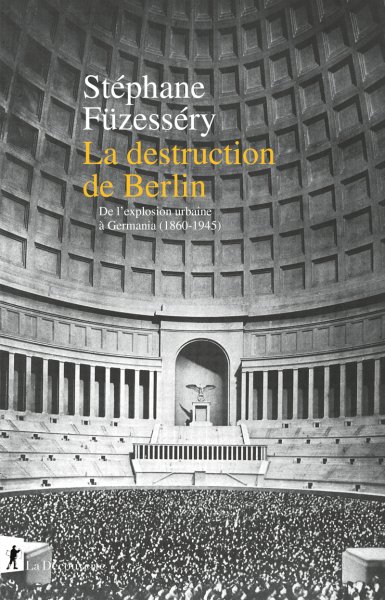
À propos de : Stéphane Füzessery, La destruction de Berlin. De l’explosion urbaine à Germania (1860-1945), La Découverte