Books & Ideas is the English-language mirror website of La Vie des Idées, a free online journal which has gained a large readership and established itself in France as a major place for intellectual debate since 2007.
What effects have economic rationalization had on public services? Nadège Vezinat presents a nuanced picture of how institutional dynamics weaken the welfare state’s bureaucracy, agents, and the rights of beneficiaries.
Jeanne Tsai and Batja Mesquita show how emotions are shaped by cultural logics that orient our relationships and judgments. Their conversation raises a broader question: what does it mean to understand others in culturally plural societies?
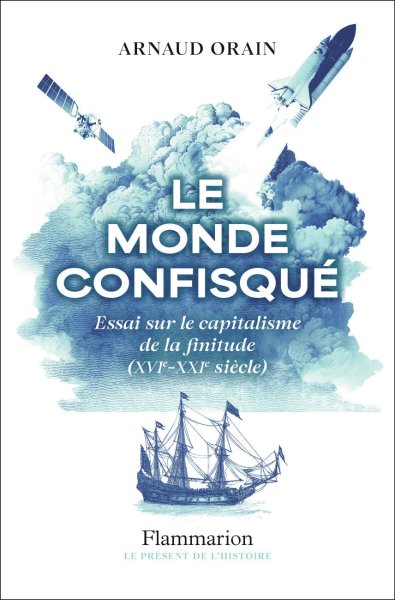
According to Arnaud Orain, capitalism, with the exception of a few historical periods when free markets prevailed, has primarily been characterized by mercantilism, or “capitalism of finitude,” which pits against one another the ambitions of nation-states that seek to escape competition by imposing their hegemony through force.
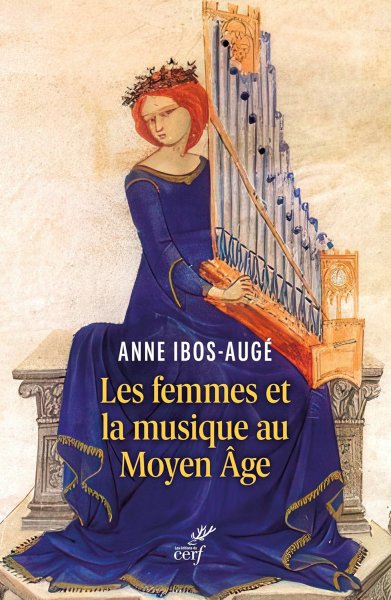
During the Middle Ages, women didn’t just listen to music. They sang, composed, copied, and transmitted it. Behind the silence of the sources, there exits, from cloisters to courts, a form of musical life that remains largely unknown. A new book brings to life these flourishing musical practices.
About: Éric Dacheux et Daniel Goujon, Théorie délibérative des valeurs, Presses universitaires de Provence
About: Céline Marty, L’écologie libertaire d’André Gorz. Démocratiser le travail, libérer le temps, Presses universitaires de France
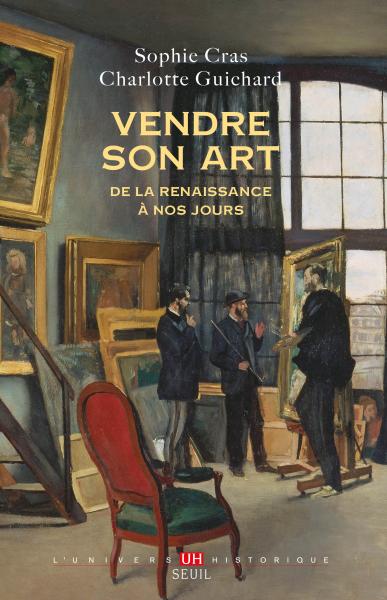
About: Sophie Cras et Charlotte Guichard, Vendre son art. De la renaissance à nos jours, Seuil
The female silhouette – understood as the body’s visible form and socially perceived appearance – has long been shaped by social norms. In the age of social media, these norms are intensifying, prompting, in response, the rise of so-called “body-positive” movements.
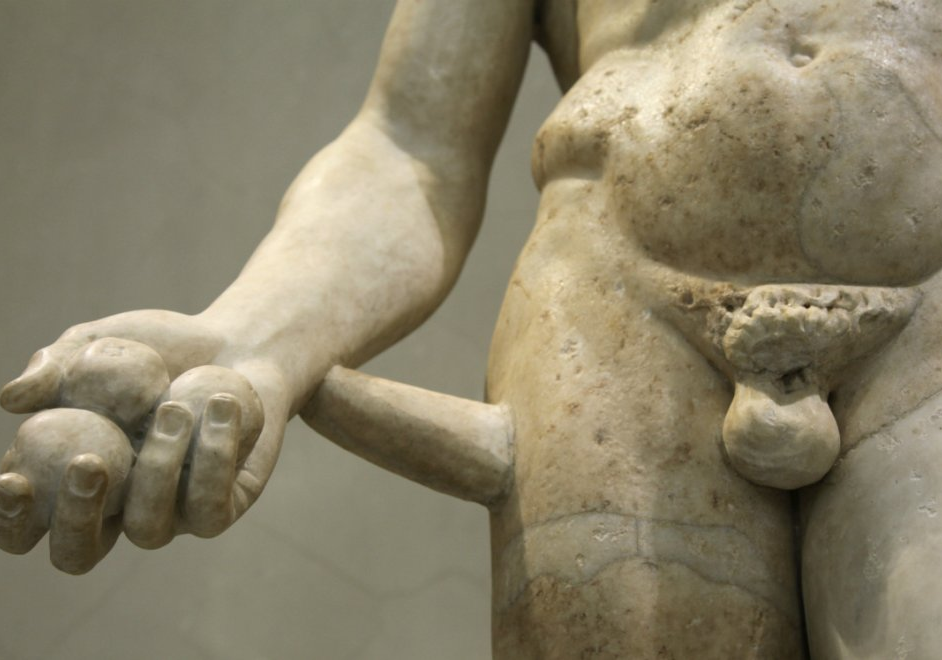
A rumour is circulating in some African countries: the French state is organising penis thefts to offset declining fertility. The rumour, spread by Russian propaganda, has become fake news.
The American sociologist Harrison White made a vital contribution to the development of social network analysis. Besides his work in this field, his theoretical synthesis and his understanding of social formations have influenced a variety of fields such as the sociology of art and economic sociology.
The June protests which shook Brazil in 2013 stunned the world. This dossier, published by Books&Ideas, discusses the main issues at the core of these protests, analyzing them in the light of previous mobilizations and explaining why they are essential to the understanding of contemporary Brazil.
Books & Ideas is slowing down for the summer and will resume its publication schedule on August 26. In the meantime, we present to you a weekly selection of essays and reviews published over the past year.
Is there still room for hope at the White House?
Miguel Abensour profoundly renewed thinking about democracy. His political philosophy paid close attention to the desire for emancipation and was based on an original conception of utopia breaking with the mythology of the ‘ideal city’ or of a ‘good society’.
Books & Ideas is going on holiday for the summer, and will resume its publication schedule in September. In the meantime, we present you with a weekly roundup of our most recent essays and reviews. Our second summer selection features portraits of prominent intellectual figures: Albert Camus, René Dumont, Ronald Dworkin, Joan W. Scott and Max Weber.
Richard Hoggart (1918-2014), a poor child who went onto become a university professor, was the epitome of a successful scholarship student. The trajectory of this “exemplary counter-example” sheds light on the mechanisms of social reproduction when they prove inoperative and the distance that can be traveled from one’s native milieu.
Que savons-nous vraiment du système solaire ? Titulaire de la chaire « Formation planétaire : de la Terre aux exoplanètes » au Collège de France, Alessandro Morbidelli retrace sa genèse chaotique, et dévoile la façon dont les découvertes récentes bousculent les certitudes.
Comment conserver son identité culturelle et la mémoire des persécutions lorsqu’on est membre du Parti communiste, un parti qui se veut universaliste ? En étant attentive aux sociabilités et aux émotions de ses cadres juifs, l’historienne Zoé Grumberg analyse leurs dilemmes et leurs contributions au communisme français.
La famille s’est-elle transformée au XVIIIe siècle ? Est-elle devenue un espace d’émancipation pour les individus désormais détenteurs de droits, ou est-elle restée au contraire un lieu de domination genrée ? Les philosophes des Lumières ont à ces questions des réponses nuancées.
À propos de : Gabrielle Angey, Yannick Fer et Juliette Galonnier (dir.), Saisir les religions en sociologue. Enjeux et méthodes, ENS éditions
À propos de : Arnaud Fossier, La Réputation au village. Enquête sur des procès d’Église (XIIIe siècle), Puf
À propos de : Bertrand Geay, Jérôme Camus, Pierre Clément et Pierig Humeau, dir., La Reproduction au 21e siècle. Actualité de la sociologie de Bourdieu et Passeron, Éditions du Croquant