Books & Ideas is the English-language mirror website of La Vie des Idées, a free online journal which has gained a large readership and established itself in France as a major place for intellectual debate since 2007.
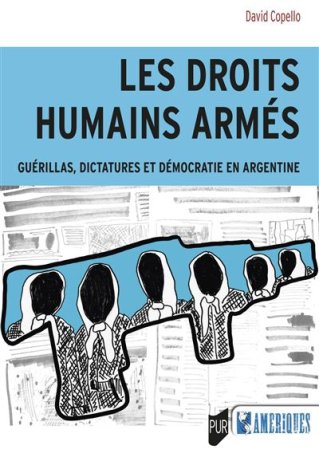
Can the defense of human rights be reconciled with guerilla warfare? David Copello offers an in-depth reinterpretation of the history of these complex struggles that have shaken Argentine society to its core.
Jeanne Tsai and Batja Mesquita show how emotions are shaped by cultural logics that orient our relationships and judgments. Their conversation raises a broader question: what does it mean to understand others in culturally plural societies?
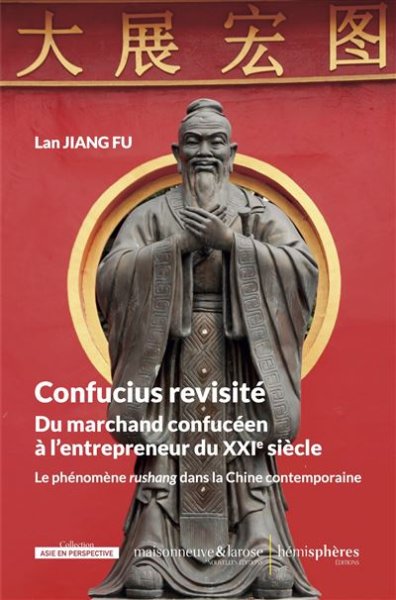
At a time when Chinese capitalism is in search of an ethic, entrepreneurs are reinventing the old Confucian merchant.
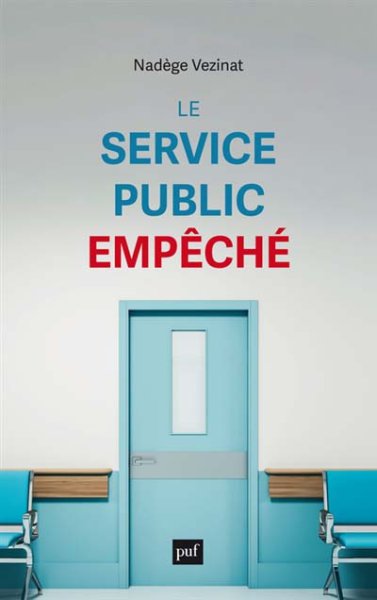
What effects have economic rationalization had on public services? Nadège Vezinat presents a nuanced picture of how institutional dynamics weaken the welfare state’s bureaucracy, agents, and the rights of beneficiaries.
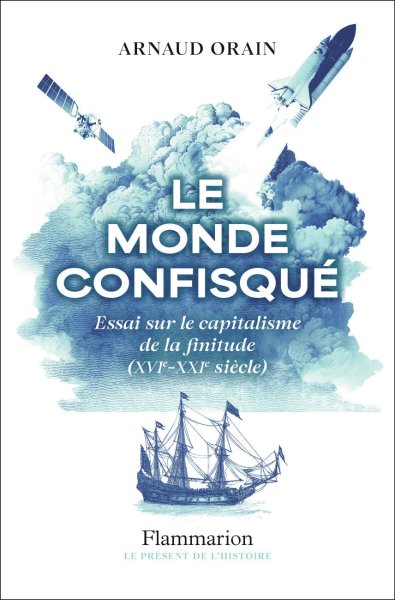
About: Arnaud Orain, Le Monde confisqué. Essai sur le capitalisme de la finitude, Flammarion
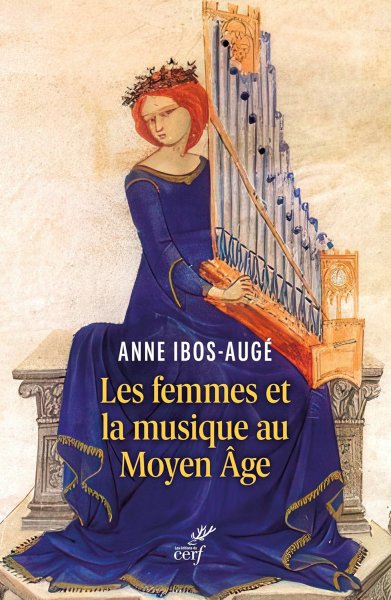
About: Anne Ibos-Augé, Les femmes et la musique au Moyen Âge, éditions du Cerf
About: Éric Dacheux et Daniel Goujon, Théorie délibérative des valeurs, Presses universitaires de Provence
The female silhouette – understood as the body’s visible form and socially perceived appearance – has long been shaped by social norms. In the age of social media, these norms are intensifying, prompting, in response, the rise of so-called “body-positive” movements.
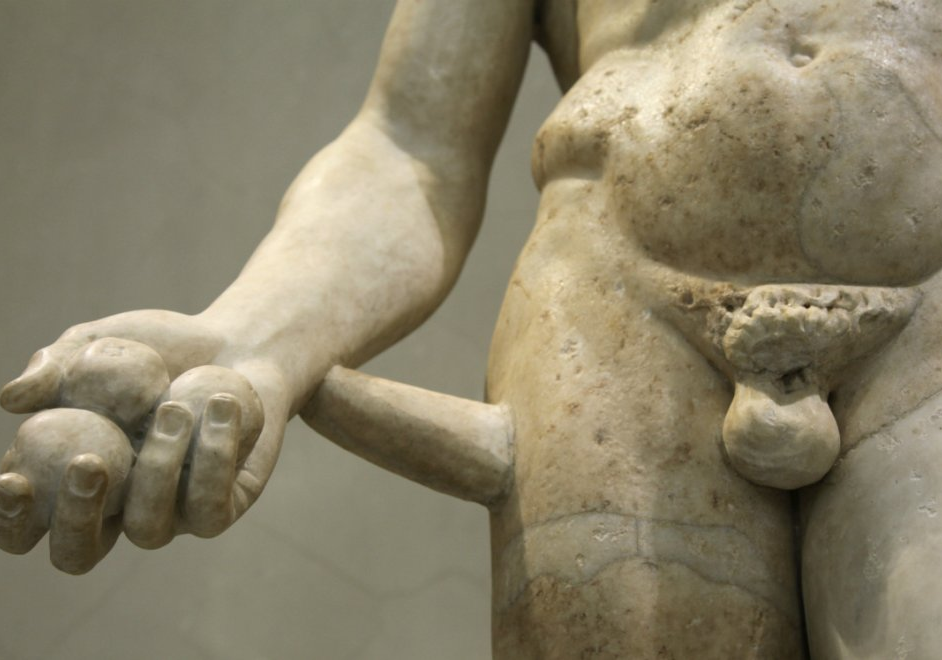
A rumour is circulating in some African countries: the French state is organising penis thefts to offset declining fertility. The rumour, spread by Russian propaganda, has become fake news.
The American sociologist Harrison White made a vital contribution to the development of social network analysis. Besides his work in this field, his theoretical synthesis and his understanding of social formations have influenced a variety of fields such as the sociology of art and economic sociology.
Historians, sociologists, and social scientists in general have long tried to “think big” and “global.” The rise of Asia in the world economy has stimulated anew this attraction for the macro-level. Books and Ideas proposes to look at some of the most innovative ways this work has been done recently, in the history of ideas, of trade and cultural exchanges, economic convergences and decolonization.
Books & Ideas is slowing down for the summer. In the meantime, here is a selection of essays, reviews and interviews published over the past year, exploring the relationship between music and politics.
In our second winter selection of reviews and essays, Books & Ideas takes a look back at a few important articles published over the last year on the current developments and trends affecting public spaces for expression and debate : from the traditional media to the world wide web, these different spaces are all under pressure from ongoing changes. Rules and practices are evolving, as the traditional public space is being radically enlarged.
According to Nancy Fraser, the renewal of socialism requires a conflation of activism and political theory; indeed, emancipation can only exist on the basis of equal participation in all spheres of life, and can only be understood in terms of social struggles, which today appear in multiple forms.
A highly respected figure in African studies, Jack Goody has become a distinctive voice in the torrent of academic critiques of western ethnocentrism. His work, spanning more than sixty years, has been based on a single ambition: comparison, for the sake of more accurately locating European history within Eurasian and world history.
“Do we have the right to make bets on the future of mankind?” Forty-one years after being the first ecologist candidate in a presidential campaign and publishing his manifesto book, René Dumont’s intuitions and warnings have lost little of their relevance.
Et pourquoi l’usage de l’IA générative serait-elle incompatible avec la création artistique ? Il y a pourtant longtemps que la notion d’auteur, seul maître à bord de son oeuvre, a fait l’objet de contestation.
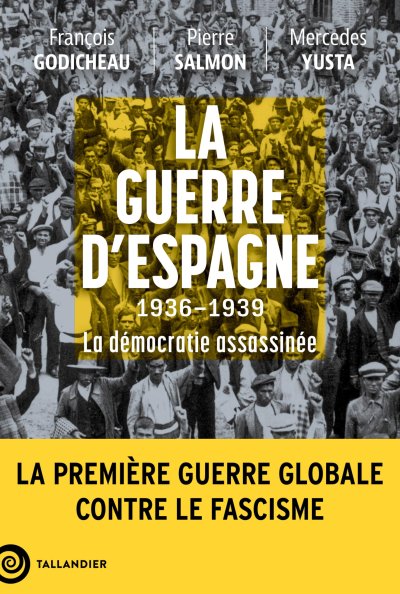
Longtemps marquée par le franquisme, l’histoire de la guerre d’Espagne se renouvelle aujourd’hui, nourrie par les expériences vécues. En mettant en évidence les dynamiques de fascisation et d’internationalisation, peut-on déplacer le regard vers un nouveau récit du conflit ?
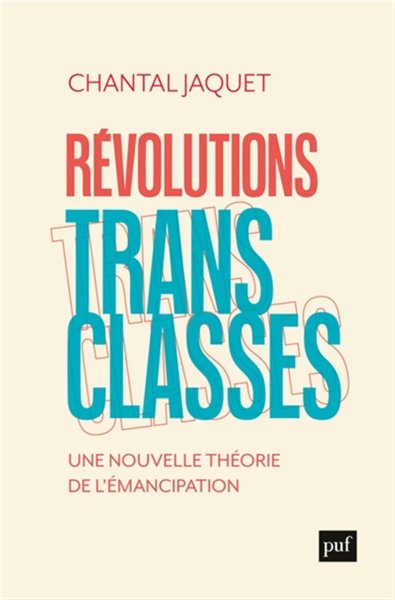
Comment le passage d’une classe à l’autre, longtemps pensé comme une aventure individuelle, peut-il devenir un levier d’émancipation collective ? C. Jaquet reprend, à partir de Marx et de Spinoza, la question de l’abolition des classes.
À propos de : Stefan C. Aykut et Amy Dahan, La mutation climatique, Presses de Sciences Po
À propos de : Zoé Grumberg, Militer en minorité ? Le « secteur juif » du Parti communiste français après la Libération, PUR
À propos de : Gabrielle Radica, La famille des classiques, ENS Éditions