Books & Ideas is the English-language mirror website of La Vie des Idées, a free online journal which has gained a large readership and established itself in France as a major place for intellectual debate since 2007.
Has the idea of value lost value? By considering the concept in its plurality, Éric Dacheux and Daniel Goujoun make a case for an economy that is social, ecological, and deliberative.
Jeanne Tsai and Batja Mesquita show how emotions are shaped by cultural logics that orient our relationships and judgments. Their conversation raises a broader question: what does it mean to understand others in culturally plural societies?
Céline Marty offers an in-depth interpretation and contextualization of André Gorz’s philosophical oeuvre. Through a careful examination of his vision of a society of subjects that are truly autonomous—in work as in life—she sheds light on the coherence and radicalness of this highly original form of ecosocialism.
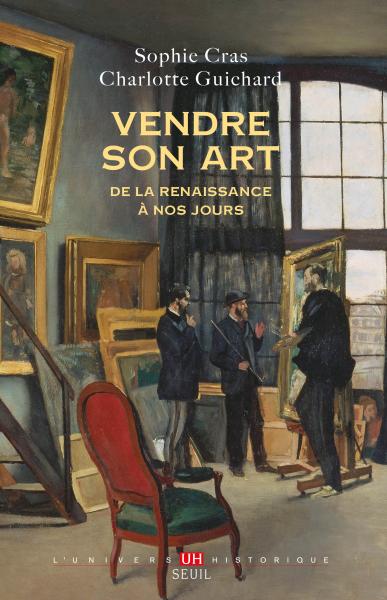
How does art acquire commercial value? In this book, two historians concentrate on the “first market” for art, which exists prior to the resale market and speculative strategies. It examines the decisive moment when an artwork leaves the studio, the artist sets their price, and the artwork reaches the public.
About: Sacha Todorov, De la City à la ZAD. Une brève histoire des carnavals militants, Classiques Garnier
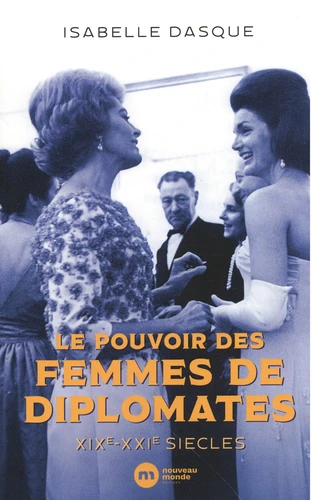
About: Isabelle Dasque, Le pouvoir des femmes de diplomates, XIXe-XXIe siècles, Nouveau Monde Éditions
About: Axelle Brodiez-Dolino, ATD Quart Monde, une histoire transnationale. La lutte contre la pauvreté, d’un bidonville à l’Onu, Presses universitaires de France
The female silhouette – understood as the body’s visible form and socially perceived appearance – has long been shaped by social norms. In the age of social media, these norms are intensifying, prompting, in response, the rise of so-called “body-positive” movements.
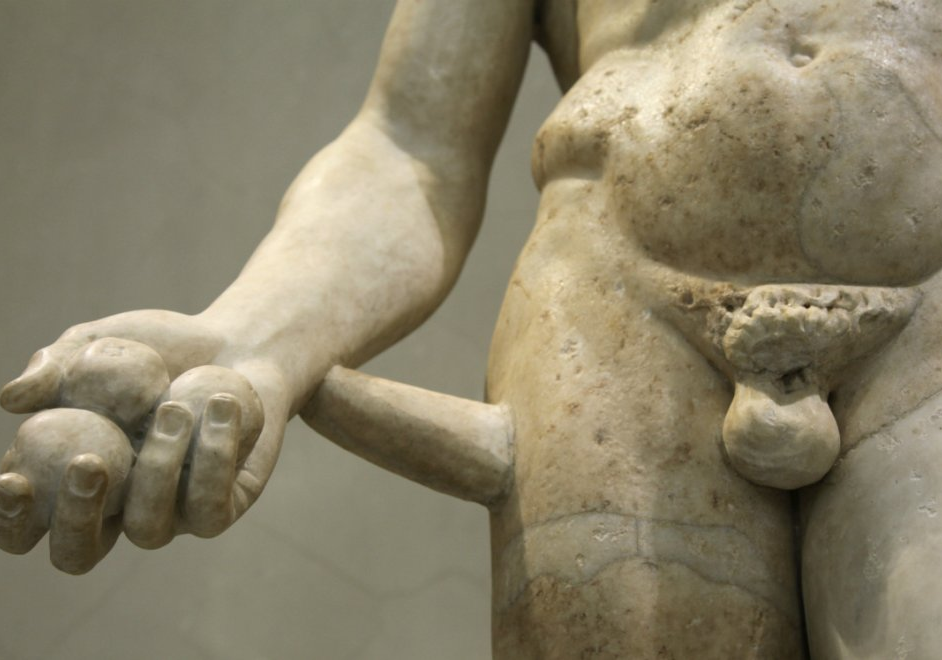
A rumour is circulating in some African countries: the French state is organising penis thefts to offset declining fertility. The rumour, spread by Russian propaganda, has become fake news.
The American sociologist Harrison White made a vital contribution to the development of social network analysis. Besides his work in this field, his theoretical synthesis and his understanding of social formations have influenced a variety of fields such as the sociology of art and economic sociology.
Books & Ideas is slowing down for the summer and will resume its publication schedule on August 26. In the meantime, we present to you a weekly selection of essays and reviews published over the past year.
Protectionism, a solution? Really? The economic crisis may not have turned the tide against liberalization, but we certainly cannot look at protectionism the same as we used to.
Disasters and the tragedies that they entail accumulate, along with human and social science research trying to grasp the significance of their repetition. The aim of the dossier launched today by Books & Ideas is to comprehend the nature of these studies.
Michel Crozier’s work was shaped by the conviction that organizational phenomena create society. He helped pioneer the tools for analyzing groups established to carry out a common project according to a specific system of action and rules of the game.
“Do we have the right to make bets on the future of mankind?” Forty-one years after being the first ecologist candidate in a presidential campaign and publishing his manifesto book, René Dumont’s intuitions and warnings have lost little of their relevance.
What distinguishes a blank canvas from an empty frame? A simple object from a readymade? What is this mysterious gap that art digs as it separates from life? Such are the questions posed by Arthur Danto, a major figure of contemporary art theory.
Le mouvement lycéen de l’automne 2026 a vu notamment fleurir les revendications liées à l’état du bâti scolaire. Une analyse par les sciences sociales permet de mettre en perspective cette cause et la manière dont elle reflète une demande sociale forte à l’égard de l’État chez les jeunes.
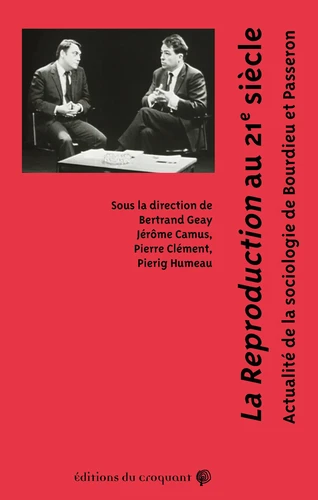
À partir de terrains inédits, un ouvrage collectif documente la robustesse de la thèse de la Reproduction, 55 ans après sa parution. Ce faisant, il livre une histoire de la sociologie de l’éducation française depuis les années 1960.
Certaines entreprises affichent des valeurs éthiques pour redorer leur image. Mais comment celles-ci sont-elles reçues, appropriées, négociées ou contestées par les salariés ?
Claudia Feld et Marina Franco, Crimes contre l’humanité à l’ESMA. Anatomie d’un centre de détention clandestin en Argentine (1976-1983), Anamosa
À propos de : Jonathan Thomas, Le Disque politique en France 1929-1939, Presses Universitaires de Rennes
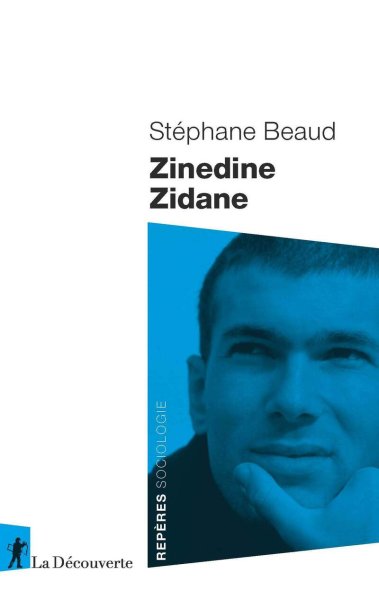
À propos de : Stéphane Beaud, Zinedine Zidane, La Découverte