Books & Ideas is the English-language mirror website of La Vie des Idées, a free online journal which has gained a large readership and established itself in France as a major place for intellectual debate since 2007.
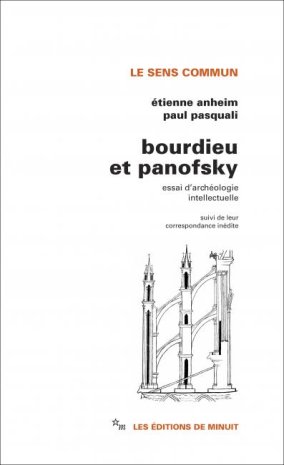
Étienne Anheim and Paul Pasquali examine a key moment in interdisciplinary dialogue: Pierre Bourdieu’s translation and editing of the art historian Erwin Panofsky.
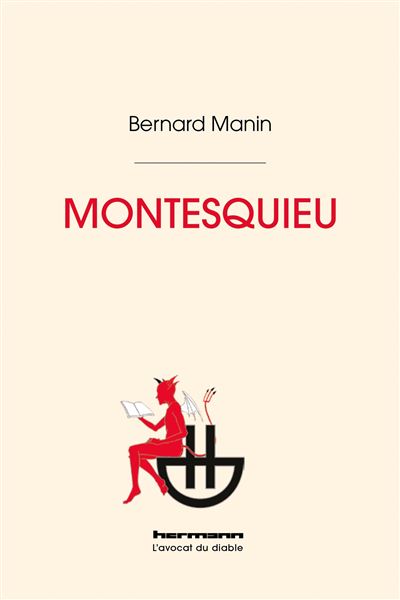
Bernard Manin sees Montesquieu as a political philosopher who was attentive to the plurality of political forms and the way that such pluralism can, in moderate regimes, prevent the abuse of power. This is why it is important, he explains, to keep reading this Enlightenment philosopher.
The intensive use of carbon energies has brought prosperity, particularly since 1945, along with relatively peaceful international relations. Decarbonation makes it necessary, according to Pierre Charbonnier, to invent a new form of geopolitics.
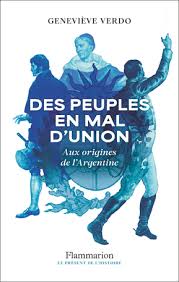
About: Geneviève Verdo, Des peuples en mal d’union. Aux origines de l’Argentine, Flammarion
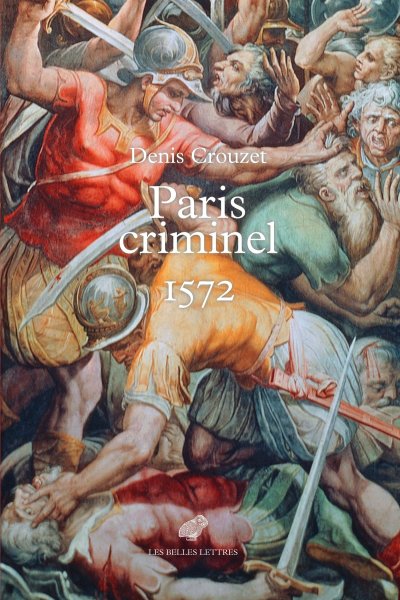
About: Denis Crouzet, Paris criminel. 1572, Les Belles Lettres
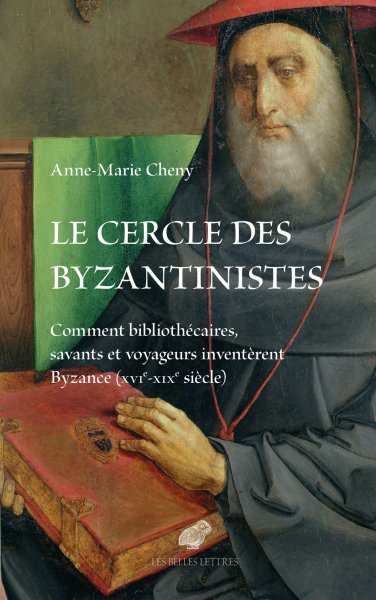
About: Anne-Marie Cheny, Le cercle des byzantinistes. Comment bibliothécaires, savants et voyageurs inventèrent Byzance (XVIe-XIXe siècle), Les Belles Lettres
The female silhouette – understood as the body’s visible form and socially perceived appearance – has long been shaped by social norms. In the age of social media, these norms are intensifying, prompting, in response, the rise of so-called “body-positive” movements.
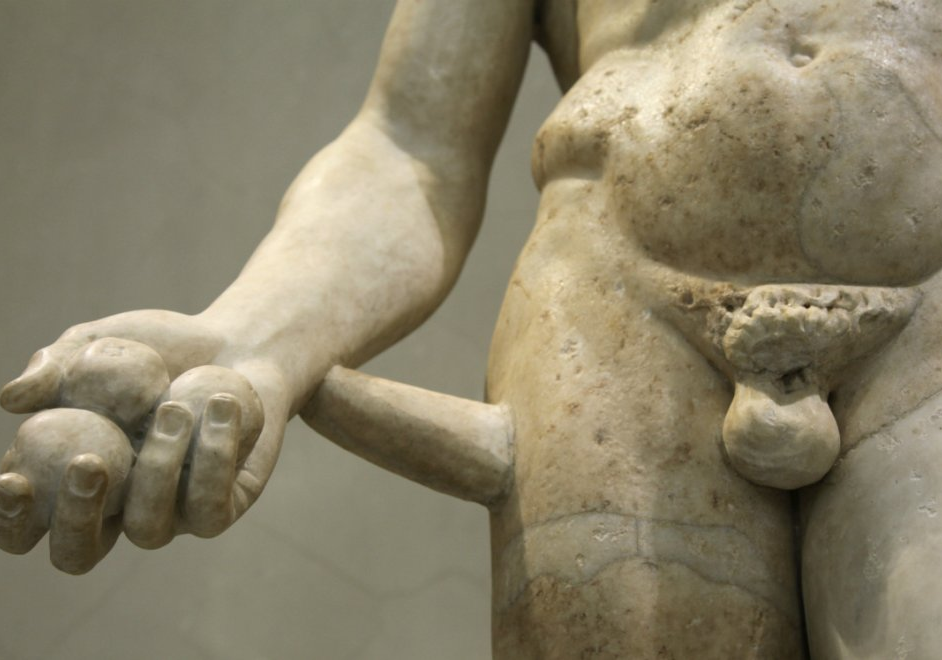
A rumour is circulating in some African countries: the French state is organising penis thefts to offset declining fertility. The rumour, spread by Russian propaganda, has become fake news.
The American sociologist Harrison White made a vital contribution to the development of social network analysis. Besides his work in this field, his theoretical synthesis and his understanding of social formations have influenced a variety of fields such as the sociology of art and economic sociology.
After four years of monetary crisis in Europe, with serious political and social consequences for some countries, as well as a general mistrust of Europe’s political and economic models, new analyses bring light on what happened in 2009 and on how to improve the current situation. Books&Ideas presents them in a selection of essays and reviews on Europe, its money, its construction, and its politics.
This dossier examines the recently reopened debate on regional integration in Asia. What are the obstacles to the construction of an Asian Union? How is the issue tackled in Japan, China or Australia?
Books & Ideas is slowing down for the summer and will resume its publication schedule on August 26. In the meantime, we present to you a weekly selection of essays and reviews published over the past year.
Kenzaburō Ōe, winner of the Nobel Prize in Literature, is a controversial figure in Japan. And rightly so, for there are a great many contradictions in both his fictional and theoretical work. He is a fierce opponent of nuclear weapons and nuclear energy, and yet continues to celebrate the heroism of the soldier who finds glory through sacrifice.
Although now considered a pseudo-science, phrenology was tremendously successful in its Victorian heyday. Tracing the intellectual and scientific journey of George Combe, the ’science’s most prominent promoter in Great Britain, this paper addresses the phrenologists’ little-known contribution to the ’social question’ debate of the day, and the ambiguities of their social gospel.
Now a well-known Chinese lawyer of the democratic dissidence in China, Zhang Sizhi was once a young nationalist, a high-ranking official in the court of Beijing and a victim of anti-rightist repression. In his memoirs, he provides a detailed and fascinating description of the profession and China in the second half of the 20th century.
La victoire électorale au Pérou de Keiko Fujimori, la fille de l’ancien autocrate des années 1990, doit s’apprécier au regard d’une modification institutionnelle : le retour du bicamérisme.
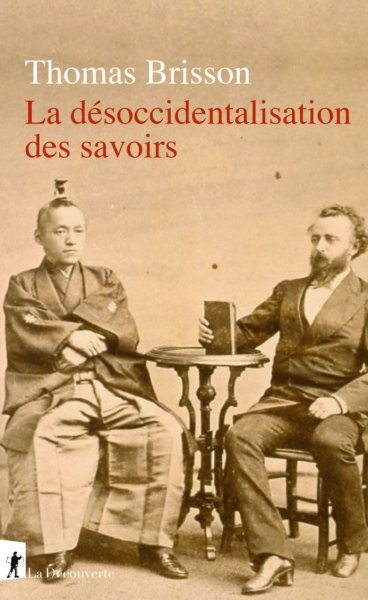
Comment le savoir occidental a-t-il été absorbé et réinterprété par les sociétés extra-occidentales ? L’ouvrage érudit de T. Brisson remet en cause l’image d’un hégémonisme sans nuance.
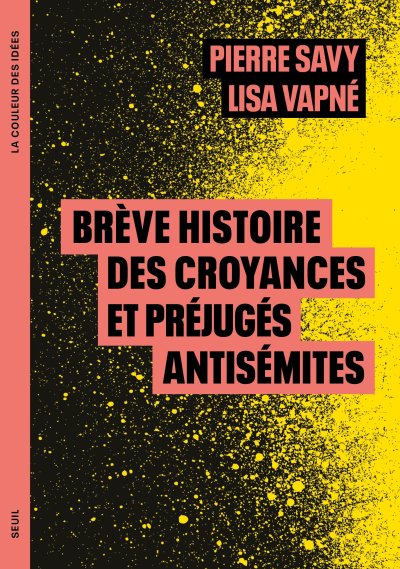
La plupart des préjugés antisémites existent toujours, sous une forme actualisée, sans que leur histoire soit bien connue : ces obsessions, fantasmes et schémas de pensée restent profondément sédimentés dans nos sociétés.
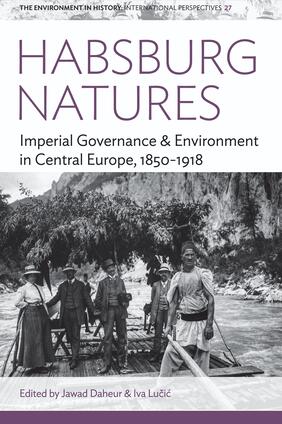
À propos de : Jawad Daheur et Iva Lučić, dir., Habsburg Natures : Imperial Governance & Environment in Central Europe, 1850-1918, Berghahn
À propos de : Louise Tassin, Comme on les enferme. Dans les centres de rétention, de Paris à Lampedusa, La Découverte
À propos de : Sébastien Fontenelle, Tolkien contre les machines. Écologie et antifascisme en Terre du Milieu, Lux éditeur