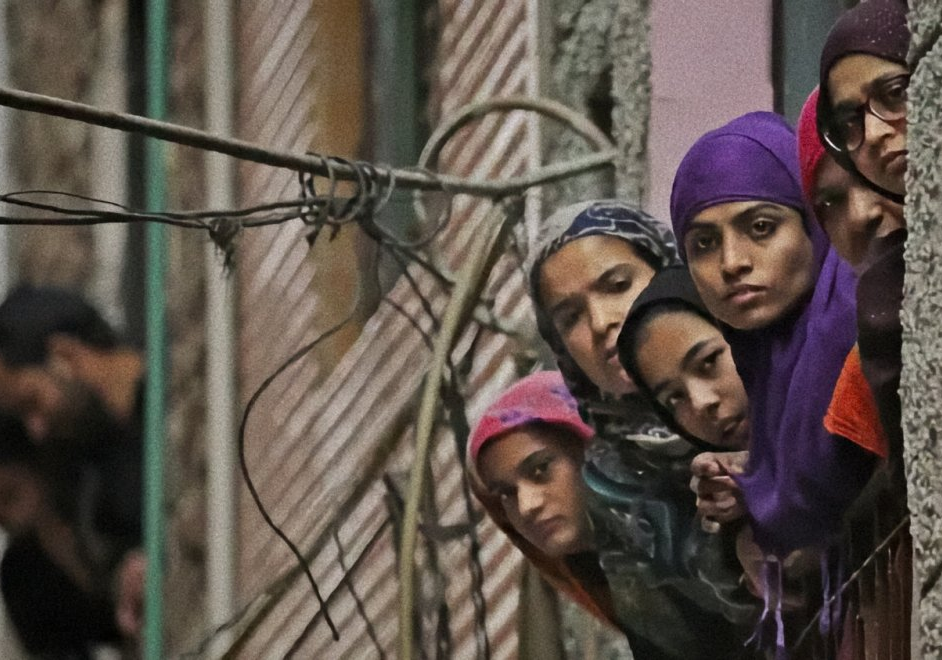
According to Thomas Blom Hansen, Indian cities have become spaces of exclusion, fear, and sharpened enmity. He describes how Muslims are victims of an entanglement of communal violence, state complicity, and systemic discrimination.
Laurence Ralph’s ethnography explores the various systems of punishment that injure black and brown Americans’ bodies and that contribute to maintain social hierarchies that rely on the vestiges of slavery. These injuries call for healing and overcoming trauma, and also for reparative justice.
A new anthology provides French translations of key texts in the field of Critical Race Theory, as it has developed over the past 40 years in the United States. They help us to understand the decisive role played by legal discourse and practice in the social, historical, and cultural construction of race.
Few histories of the African American fight for equality manage to shed their ideological bias. Caroline Rolland-Diamond offers an impressive overview that goes beyond oppositions to highlight the structuring lines of a two-century-old struggle that continues today.
How can you fight for your country while being denied citizenship? Christine Knauer uncovers the paradox of African-American soldiers in the twentieth century, and their role in the history of the Civil Rights Movement.
Michael Brown’s death and the Ferguson unrest signal a change in the condition of Black people in American society since 2000. This new condition is marked by the culmination of the penal state’s power over Black people’s lives, and an increase in socio-economic inequalities between races.
How is history relevant to current debates about race, economic inequality or the national narrative? A renowned historian of urban crises and segregation, Thomas Sugrue proposes an answer that emphasizes both the value of passion and that of careful scholarship. Historians can and should engage in public debate, but on their own terms.
French programs of “positive discrimination” are supposed to help open elite education to socially disadvantaged students. While challenging the idea that diversity is truly promoted in the United States, a comparative study of current trends in Paris and Chicago show the opacity of the selection criteria in Paris, and the existence of a clear geographical segregation.