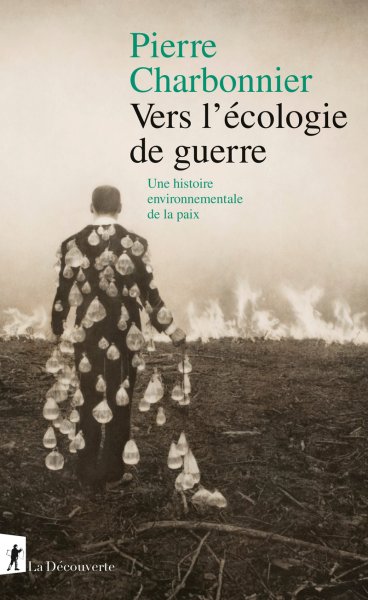
The intensive use of carbon energies has brought prosperity, particularly since 1945, along with relatively peaceful international relations. Decarbonation makes it necessary, according to Pierre Charbonnier, to invent a new form of geopolitics.
Historian Jean-Baptiste Fressoz provides the first genealogical study of the concept of energy transition. In the face of discourses that keep postponing “the transition” to a later date, Fressoz takes up the unprecedented political challenge of a complete phase-out of fossil fuels.
Coal is not just a raw material: it is also a symbol and a commodity whose history Charles-François Mathis has retraced over a period spanning two centuries.
How can we move away from energy-intensive growth? This question goes back a long way, and a group of historians has identified past attempts, all of which have failed, to create ecological societies. Could this provide a repertoire of ideas for the future?
Socially responsible investment, green bonds, extra-financial rating agencies: ‘climate finance’ has developed over the last few years. Without State involvement, will these tools suffice to finance the transition toward a carbon neutral global economy?
In the period between 1865 and 1931, economists were already questioning coal and the exploitation of “exhaustible” energies. Can their analyses shed light on the current environmental crisis?
An ambitious and encyclopedic book sheds new light on post-Cold War history. To Daniel Yergin, the rise of energy, economic and financial nationalisms throughout the world has been a grave threat to the globalized, liberal markets that guarantee the world’s prosperity.